
Apanteles bedelliae
Apanteles bedelliae
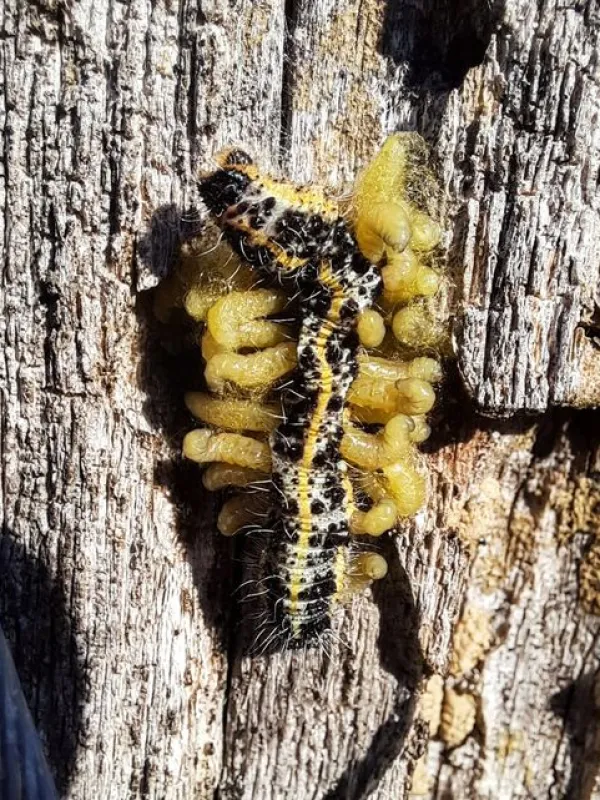
Description
How to identify
Apanteles bedelliae is a beneficial insect belonging to the order Hymenoptera and the family Braconidae, known for its parasitic lifestyle.
This species acts as a specialized parasitoid, specifically targeting larvae of the leaf-mining moth, making it a crucial component of integrated pest management.
Adult wasps are characterized by their small size and agile flight, which allows them to efficiently locate their hosts within complex plant structures.
Unlike many other insects, this braconid wasp does not feed on crops but rather aids in regulating pest populations, serving as an important natural enemy.
Understanding the biology and taxonomy of this parasitoid is essential for agronomists looking to implement sustainable and eco-friendly farming practices.
What it damages
This species does not damage plants; instead, it provides significant protection by reducing the impact of agricultural pests like the leaf-mining moth.
The host of Apanteles bedelliae is the moth Bedellia somnulentella, which frequently infests crops like sweet potatoes and other Convolvulaceae species.
By parasitizing the larvae, the wasp prevents the pests from destroying leaf tissues, which is vital for the plant's overall health and photosynthetic potential.
Its natural presence helps maintain ecological balance, often keeping pest densities below the economic injury level without the need for chemical intervention.
Consequently, the protection provided by this parasitoid is an invaluable asset in reducing crop losses and maintaining sustainable production systems.
When it appears
The activity period of Apanteles bedelliae is synchronized with the life cycle of its host and the growing season of the infested host plants.
During the warmer months, the wasp population reaches its peak, allowing for multiple generations to develop as they actively seek out moth larvae.
The female wasp uses specialized sensory organs to locate the mines where the host larvae reside, ensuring the successful deposition of eggs for its offspring.
The effectiveness of the parasitoid is often highest when ambient temperatures support rapid larval development and high metabolic activity of the wasp.
As autumn approaches and temperatures drop, the activity of the parasitoid declines as it prepares for overwintering in protected environmental niches.
Signs of infestation
The most prominent sign of Apanteles bedelliae presence is the appearance of small, white or creamy silken cocoons near the moth's feeding sites.
These cocoons are formed by the larvae of the wasp after they emerge from the host, indicating that the moth larva has been successfully parasitized.
Field inspectors can identify the presence of the parasitoid by examining leaf surfaces for these tiny cocoons and for shriveled, dead moth larvae.
A reduction in the number of active mines on the leaves, coupled with the presence of cocoons, confirms that the wasp is actively controlling the pest population.
Monitoring these biological indicators allows farmers to make informed decisions and rely on natural control mechanisms whenever possible.
Control measures
To conserve and support Apanteles bedelliae populations, farmers should avoid the use of broad-spectrum insecticides that harm beneficial insects.
Implementing a strategy that prioritizes soft chemicals and biological control agents will help sustain the parasitoid population over the long term.
Providing refuges, such as flower strips or non-crop areas, supplies the adult wasps with necessary nectar and shelter, increasing their efficiency.
Good agricultural practices that support biodiversity are key to maintaining the presence of this valuable natural control agent in the field.
- Adopt integrated pest management (IPM) practices.
- Limit the use of toxic pesticides.
- Preserve natural habitats and wild flower borders around fields.
Taxonomy
- Latin name
- Apanteles bedelliae
- Order
- Hymenoptera
- Family
- Braconidae
- EPPO code
- APANBD
Discussion
No discussions yet — be the first.