
Apanteles ater
Apanteles ater
Description
How to identify
Apanteles ater is a small parasitic wasp belonging to the Braconidae family within the order Hymenoptera. They are tiny insects, often black, characterized by their slender body structure.
The adults are free-living and possess a highly developed ovipositor, which they use to lay eggs inside the bodies of their host caterpillars.
It is crucial to define that this species is not a crop pest but rather a significant beneficial entomophage, assisting in natural pest management programs.
Identifying this species requires entomological expertise due to the high diversity of similar species within the Apanteles genus in nature.
The larvae live endoparasitically, meaning they consume the host from the inside, which is a common survival strategy among Braconid wasps.
What it damages
Apanteles ater does not cause damage to agricultural crops; it is considered a beneficial insect that provides free pest control services to farmers.
The larvae parasitize caterpillars of various moth species that are otherwise known to cause significant economic losses in field and orchard crops.
By regulating pest populations, this parasitic wasp serves as a critical component of integrated pest management (IPM), reducing the need for chemical interventions.
Their presence significantly lowers the density of defoliating caterpillars, thereby protecting plant health and enhancing overall crop yields.
Instead of destroying plants, these wasps ensure the stability of the agroecosystem by keeping harmful caterpillar numbers below the economic threshold.
When it appears
The seasonal cycle of Apanteles ater is synchronized with the phenology of its caterpillar hosts, ensuring the availability of food for its offspring.
Adults emerge during spring when temperatures rise, allowing them to search for suitable hosts to begin their reproductive cycle for the season.
Throughout the growing season, they produce multiple generations, which enables them to exert continuous pressure on various caterpillar pests on the farm.
As winter approaches, the wasps enter a dormant stage inside their cocoons, surviving the cold weather until conditions become favorable again in the spring.
Populations tend to peak when the host caterpillars are most abundant, providing an efficient biological response to potential outbreaks of leaf-eating larvae.
Signs of infestation
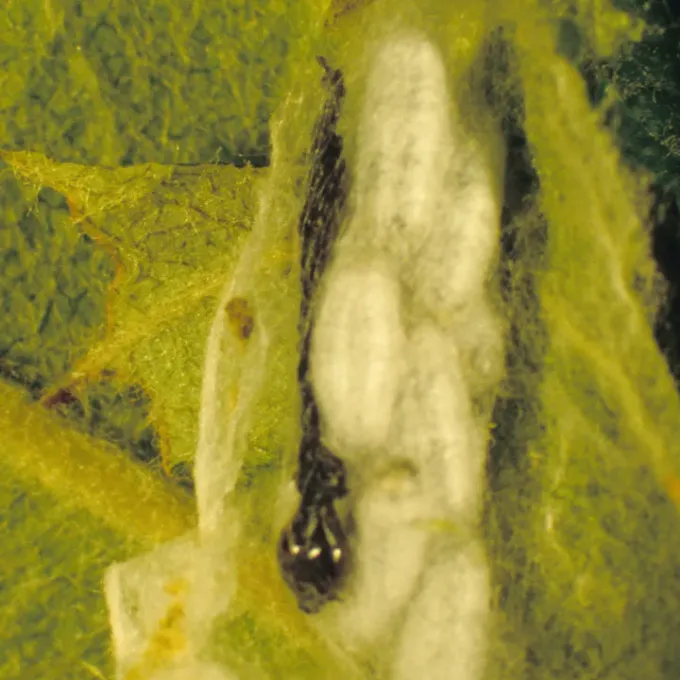
The most visible indicator of their presence is the cluster of small, yellowish or white silken cocoons found on or near the remains of a host caterpillar.
Discovering a parasitized caterpillar covered in these small cocoons confirms that the wasp has successfully completed its larval development.
Affected caterpillars typically show signs of lethargy and stop feeding long before they die, reflecting the physiological impact of the wasp larvae.
A reduction in pest damage on crops without chemical application is often a sign of natural control by beneficial insects like Apanteles ater.
Small exit holes on the body of the host caterpillar, left behind after the wasp larvae emerge to pupate, are clear evidence of parasitism.
Control measures
No control measures are needed for Apanteles ater because it is a beneficial organism; rather, efforts should focus on conserving its population.
Farmers are advised to avoid broad-spectrum insecticides that could harm these beneficial wasps, especially during peak periods of their activity.
Enhancing habitat diversity by planting nectar-rich flower strips can provide essential food resources for adult wasps, increasing their lifespan and effectiveness.
When pest control is absolutely necessary, selective or biological pesticides should be chosen to minimize adverse impacts on beneficial parasitoids.
Maintaining hedgerows and unsprayed buffer zones creates a sanctuary for these natural enemies, ensuring they remain present in the agricultural landscape.
Taxonomy
- Latin name
- Apanteles ater
- Order
- Hymenoptera
- Family
- Braconidae
- EPPO code
- APANAT
Discussion
No discussions yet — be the first.