
Anguillicola
Anguillicola
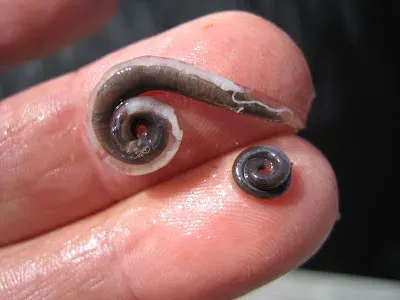
Description
How to identify
Anguillicola (Anguillicola crassus) is a parasitic nematode belonging to the family Anguillicolidae. This parasite is highly host-specific, primarily infecting the swim bladder of eel species, particularly the European eel (Anguilla anguilla).
The adult worms are cylindrical, reaching lengths of up to 8 centimeters. They are typically whitish or pale pinkish in color and inhabit the lumen of the fish's swim bladder, which acts as their primary feeding and reproductive site.
The life cycle involves intermediate hosts, usually small crustaceans like copepods. The eel becomes infected after ingesting these infected crustaceans. The larvae then migrate through the fish's tissues to reach the swim bladder.
Once inside the swim bladder, the nematodes mature and mate. They release eggs that exit the fish's body through the digestive tract, restarting the cycle in the aquatic environment.
Since its introduction to Europe from Asia, this parasite has become widespread. It poses a significant challenge for both wild eel populations and intensive eel aquaculture facilities worldwide.
What it damages
The primary damage caused by Anguillicola crassus involves the mechanical destruction of the swim bladder wall. As the worms feed on blood, they trigger intense inflammation and local hemorrhage.
Chronic infections lead to the thickening and fibrosis of the swim bladder wall. This drastically reduces the elasticity of the organ, which is crucial for the eel's buoyancy control and normal swimming behavior.
Infected eels suffer from reduced growth rates and poor condition. In severe cases, the obstruction of the pneumatic duct can occur, leading to serious physiological stress and impaired health.
The parasitic load weakens the host's immune system, making the eels more susceptible to secondary bacterial or viral infections, which increases overall mortality rates in fish farms.
Economic damage is substantial, as infected eels may lose their market value. Furthermore, the cost of treatments and the losses of stock due to parasite-induced health decline impact profitability.
Signs of infestation
Affected eels often display abnormal swimming behavior, such as struggling to maintain proper depth. Reduced appetite and lethargy are common initial clinical signs observed by farmers.
Post-mortem examination reveals the presence of adult worms within the swim bladder lumen. The surrounding tissues often show signs of redness, inflammation, and thickened mucosa.
In chronic cases, the swim bladder may appear shrunken or deformed. The presence of dense scar tissue indicates a long-term infestation that has likely affected the fish's overall vitality.
External signs include weight loss and a generally emaciated appearance. While not specific to this parasite, these signs in combination with swimming difficulties warrant an investigation.
Diagnostic confirmation is typically achieved through clinical inspection during necropsy or by screening stool samples for the presence of nematode eggs or larvae under a microscope.
Control measures
Effective management begins with stringent biosecurity. Preventing the introduction of infected eels into healthy stocks is the most critical measure for aquaculture facilities.
Filtration systems in recirculating aquaculture systems (RAS) should be designed to remove intermediate hosts like copepods from the water intake, thereby breaking the parasite's life cycle.
Chemical treatments using anthelmintic compounds mixed into fish feed have been utilized in some regions. However, application must be carefully monitored to ensure efficacy and minimize environmental impact.
Sanitation of production ponds is essential. Regular drainage and cleaning help reduce the density of intermediate hosts and eliminate accumulated parasite eggs from the environment.
- Implement mandatory quarantine for all new eel arrivals.
- Monitor fish health regularly through veterinary inspections.
- Control copepod populations in water supply systems.
- Adopt sustainable farming practices to reduce fish stress and improve resistance.
Taxonomy
- Latin name
- Anguillicola
- Order
- Nematodes
- Family
- Anguillicolidae
- EPPO code
- ANGCSP
Discussion
No discussions yet — be the first.