
Ancylis selenana
Ancylis selenana
Description
How to identify
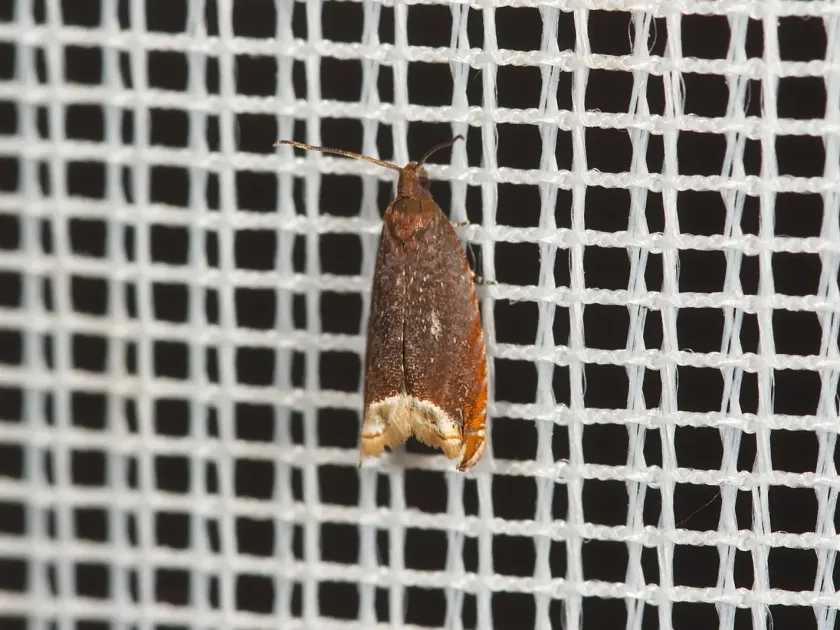
Ancylis selenana is a species of moth belonging to the Tortricidae family, commonly known as leafrollers. The adult moth is relatively small, with a wingspan of approximately 12–15 mm.
The forewings are characterized by a brownish pattern with darker patches and lighter transverse lines, which provides excellent camouflage against tree bark during the resting phase.
The larvae are small caterpillars, reaching up to 12 mm in length. They typically exhibit a greenish or yellowish hue with a brown head capsule, blending in perfectly with the foliage.
The life cycle involves complete metamorphosis, consisting of four stages: egg, larva, pupa, and adult. This species typically completes two generations per growing season.
Overwintering occurs primarily in the larval stage, inside tightly woven silken cocoons hidden within bark crevices or among leaf debris on the ground.
What it damages
This species is a significant pest of fruit-bearing plants. It primarily attacks apples, but can also be found on pears and various stone fruit varieties in orchards.
The damage is caused by larvae that feed on young, tender leaves. They use silk to pull the leaf edges together, creating folded structures or leaf-rolls where they feed safely.
Heavy infestations reduce the overall photosynthetic capacity of the tree, which can lead to weakened growth, poor bud formation, and ultimately reduced yields.
In some cases, the larvae may also bore into developing fruit, leaving deep holes that cause fruit deformity, rot, or premature abscission from the tree.
Orchard managers often observe the most significant losses in high-density plantings where the rapid spread of the pest can jeopardize the entire seasonal harvest.
When it appears
Adult moths emerge in early spring, coinciding with the budding and flowering of fruit trees. This emergence period is critical for early season scouting and monitoring.
Females lay their eggs on the underside of young leaves or near developing flower buds, ensuring that larvae have immediate access to food upon hatching.
A second generation of adults typically appears in mid-summer, usually during June and July, leading to a second peak of larval feeding activity during the fruit maturation stage.
Developmental rates are heavily influenced by temperature, with warmer spring weather often leading to more rapid life cycles and higher survival rates for the larvae.
As the season draws to a close, mature larvae prepare for hibernation, moving away from leaves to find suitable shelter for the upcoming winter months.
Signs of infestation
The most visible sign of infestation is the presence of curled or rolled leaves at the tips of new shoots, which are held together by visible silken threads.
- accumulations of larval frass (excrement) within the leaf rolls;
- small holes or skeletonized patches on the leaf surface;
- stunted or distorted shoot growth;
- larvae visible when unrolling the infected leaves.
Regular visual inspections in the spring are essential, especially on the terminal ends of branches, where early larval activity is most pronounced.
Infected fruit may show damage spots or small entry holes, which are indicators that larvae have shifted their diet from foliage to the developing fruit itself.
Using pheromone traps is a highly effective way to detect the onset of adult flights, allowing growers to time their pest control interventions with precision.
Control measures
Cultural control methods involve cleaning tree trunks of loose bark and performing diligent pruning to remove infested branches where the pest may seek shelter.
Sanitation practices, such as the removal and destruction of fallen leaves and debris, are crucial for reducing the overwintering population in the orchard.
Chemical control, when necessary, involves applying insecticides during the peak larval hatching period to maximize efficacy and minimize the number of applications required.
Biological control options, including the use of Bacillus thuringiensis or releasing natural predators like Trichogramma wasps, offer sustainable alternatives for pest management.
An integrated approach, combining monitoring, cultural sanitation, and targeted insecticide use, is the most effective way to protect orchards from Ancylis selenana.
Taxonomy
- Latin name
- Ancylis selenana
- Order
- Lepidoptera (butterflies)
- Family
- Tortricidae
- EPPO code
- ANCYSE
Discussion
No discussions yet — be the first.