
Ancylis hylaea
Ancylis hylaea
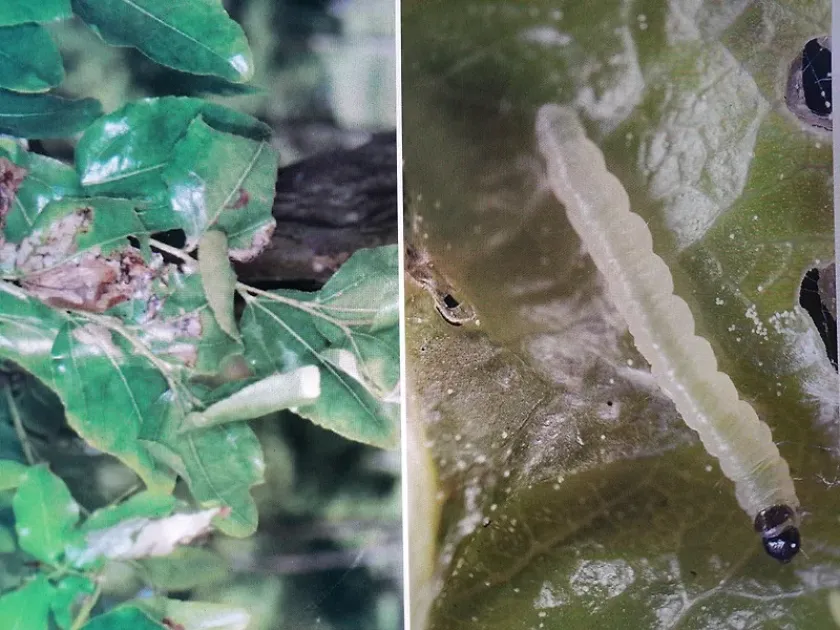
Description
How to identify
Ancylis hylaea is a moth species belonging to the order Lepidoptera and the family Tortricidae, commonly known as leafrollers.
The adult moth is characterized by its cryptic coloration, which provides excellent camouflage against tree bark and foliage.
The larvae are highly mobile and spend most of their developmental stages protected within rolled or tied leaves.
Taxonomically, the species is distinguished by specific wing patterns and genitalia structures that separate it from other related Tortricidae.
Its life cycle follows a complete metamorphosis, including egg, larval, pupal, and adult stages, adapted to forest habitats.
What it damages
The larvae of Ancylis hylaea feed primarily on the leaves and buds of various forest tree and shrub species.
Feeding activities often result in skeletonized or irregularly shaped leaves, which significantly reduces the photosynthetic efficiency of the host plant.
Severe infestations can lead to premature defoliation, weakening the health and vigor of the trees over the long term.
In nursery settings, damage to terminal buds can cause stunted growth and structural deformities in developing saplings.
This pest is a significant concern in silviculture, as repeated defoliation events can make trees susceptible to secondary pathogens.
When it appears
Adult moths typically emerge in late spring or early summer, coinciding with the flushing of new leaves on host plants.
The species survives the winter months in a state of diapause, usually as larvae or pupae hidden within bark crevices or leaf litter.
The emergence and activity of the moth are highly synchronized with environmental temperatures and the host tree's phenology.
The number of annual generations depends on the local climate and the availability of suitable food sources throughout the season.
Peak larval activity is typically observed during the most vigorous growth phase of the trees in early summer.
Signs of infestation
The most diagnostic sign of infestation is the presence of leaves rolled into tubes or tied together with silk webbing.
Opening these leaf rolls will typically reveal the larvae or their distinctive frass, which is evidence of ongoing feeding.
Infested areas often show patches of withered or brown foliage, which may drop prematurely from the branches.
Visible webbing on branch tips and buds is a strong indicator of an active leafroller colony within the tree canopy.
Deformed, stunted, or partially consumed leaves at the end of twigs are classic symptoms of Ancylis hylaea activity.
Control measures
Monitoring populations using pheromone-baited traps is essential for timing the application of control measures accurately.
Biological control, such as encouraging natural predators or using microbial insecticides, is preferred to minimize environmental impact.
Cultural practices, including the removal of infested plant debris and maintaining forest health, help reduce overwintering sites.
In cases of high population density, selective chemical insecticides may be applied to target larvae before they pupate.
Integrating these strategies into a comprehensive pest management plan ensures sustainable protection for forest ecosystems.
Taxonomy
- Latin name
- Ancylis hylaea
- Order
- Lepidoptera (butterflies)
- Family
- Tortricidae
- EPPO code
- ANCYHY
Discussion
No discussions yet — be the first.