
Ancylis moth
Ancylis
Description
How to identify
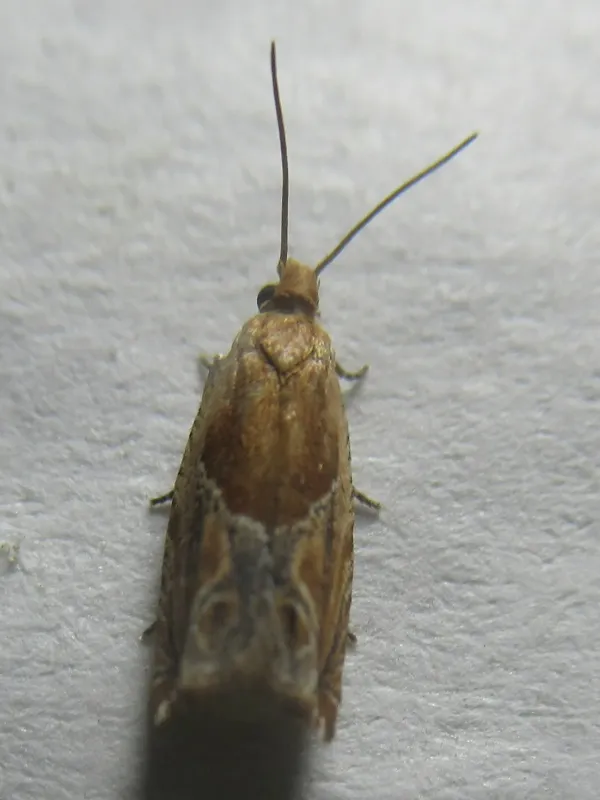
The Ancylis genus, commonly known as leafroller moths, belongs to the family Tortricidae. Adult moths are characterized by a modest wingspan, usually ranging from 15 to 20 millimeters, and possess a cryptic color pattern, typically shades of brown and gray, that mimics tree bark.
The larvae are small caterpillars, often reaching 12–15 millimeters in length. They typically exhibit a yellowish-green or brownish body with a darker head capsule, which is a key trait used for identifying these insects in agricultural surveys.
The lifecycle consists of complete metamorphosis: egg, larva, pupa, and adult. Depending on the geographical region and climate, the species may undergo one or two generations per year, with overwintering occurring in the larval stage hidden within crevices or leaf litter.
Adult moths are primarily nocturnal, often staying concealed during daylight hours on the undersides of leaves or within the bark canopy. Their activity patterns are crucial for scheduling monitoring using pheromone traps to estimate population density.
Pupation takes place within a protective shelter formed by rolling or folding leaves together and securing them with silk webbing. This behavioral adaptation provides the pupa with a significant shield against predators and environmental stressors.
What it damages
Ancylis moths primarily target plants within the Rosaceae family, including apple, pear, strawberry, and various stone fruit species. In some instances, they may also affect ornamental shrubs and various forest tree species.
Damage is inflicted by the larvae, which consume leaf tissue shortly after hatching. They create characteristic leaf mines or skeletonized patches, which, when aggregated, significantly reduce the leaf area available for photosynthesis.
High infestation rates can lead to premature leaf drop, which weakens the host plant. This physiological stress reduces the tree's vigor and can negatively impact fruit yield and the formation of flower buds for the following year.
The larvae often feed on terminal shoots, damaging buds and tender new growth. This causes shoot deformation and growth retardation, which is particularly detrimental in fruit nurseries where plant uniformity and health are strictly monitored.
If the infestation persists into the fruiting season, larvae may damage young fruit, leading to aesthetic defects or premature fruit drop. This directly compromises the commercial value of the harvest and overall crop quality.
Signs of infestation
The most evident sign of Ancylis activity is the presence of curled or rolled leaves held together by silk threads. These nests are easy to spot during a routine inspection of the plant canopy and usually contain larvae or their excrement.
Discolored or transparent patches on the leaves are signs of initial feeding where the epidermis has been consumed. Over time, these areas may turn brown or wither, creating a ragged appearance on the foliage.
Pheromone traps are highly effective for detecting adult flight activity. Consistent monitoring of these traps allows for precise timing of interventions, targeting the larvae while they are still exposed before they create their silk shelters.
Stunted growth or deformation of terminal shoots provides a clear indication of infestation. Close inspection of these shoots often reveals silk webbing and the presence of larvae actively feeding on the developing terminal tissues.
Premature yellowing and shedding of leaves during the summer months should be investigated. While often mistaken for drought stress or fungal disease, leaf curling and webbing confirm the presence of leafroller activity in the orchard.
Control measures
Good agricultural practices are the foundation of pest management. Clearing away fallen leaves and debris in autumn is essential, as this removes the overwintering sites for larvae and pupae, effectively reducing the next season's population.
Biological control using Bacillus thuringiensis based products is highly effective against young larvae. It is crucial to apply these treatments early in the season when the caterpillars are exposed and before they roll themselves into protective leaf shelters.
Chemical control should be implemented based on monitoring results rather than a fixed calendar. Applications must be timed to target the larvae during their most vulnerable stage, ensuring thorough coverage of the foliage before leaf rolling occurs.
Encouraging natural predators and parasitoids is a sustainable approach to managing populations. By avoiding broad-spectrum pesticides, growers can maintain a healthy population of beneficial insects that keep leafroller numbers in check.
Mating disruption using pheromone dispensers is a modern, non-toxic strategy. By flooding the orchard with synthetic pheromones, males are unable to locate females, which prevents successful mating and suppresses the development of the next generation.
Taxonomy
- Latin name
- Ancylis
- Order
- Lepidoptera (butterflies)
- Family
- Tortricidae
- EPPO code
- ANCYSP
Discussion
No discussions yet — be the first.