
Anacentrinus
Anacentrinus
Description
How to identify
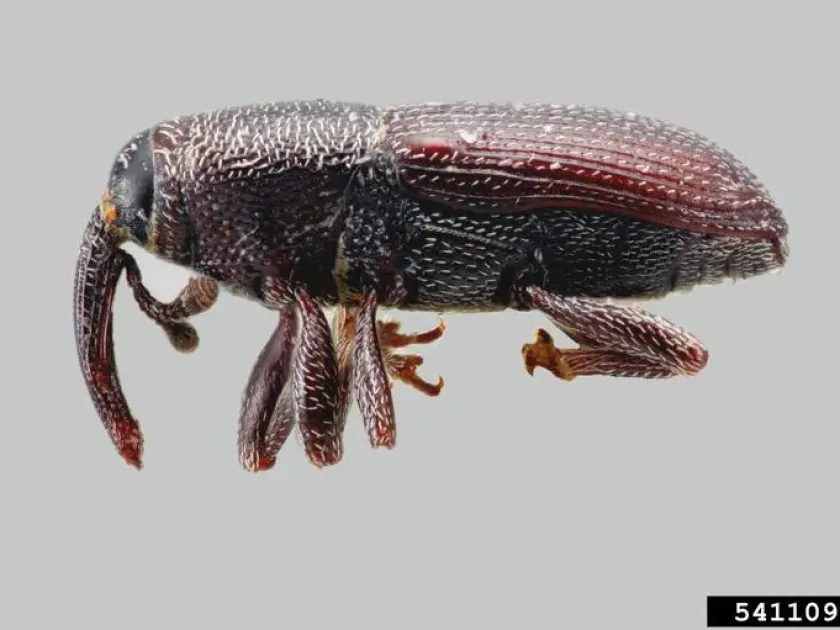
Anacentrinus is a genus of beetles belonging to the Curculionidae family, which are commonly known as true weevils, within the order Coleoptera. These small insects are characterized by a distinct elongated snout, known as a rostrum.
Adult beetles exhibit a range of appearances depending on the specific species, but they generally possess a robust, oval-shaped body typically dark brown or black in color. The surface of their elytra is often covered in fine scales or setae, providing excellent camouflage on soil or plant stems.
A notable behavior of these beetles is their tendency to play dead (thanatosis) when threatened, pulling their legs close to their bodies. This makes them difficult to spot during routine field inspections.
The larvae lead a concealed life, developing within the tissues of host plants. They are legless, C-shaped grubs, typical of the weevil family, possessing a whitish body and a darker, sclerotized head capsule.
Identifying specific species within this genus often requires careful examination of morphology, particularly genital structures, as many species within the genus Anacentrinus look superficially similar.
What it damages
The primary hosts for members of the Anacentrinus genus include various agricultural crops, with a notable presence in amaranth species and certain root vegetables. They can cause significant economic losses in susceptible crop varieties.
Larval feeding is the most damaging stage, as they bore into the root crowns or stems of plants. This boring activity disrupts the plant's vascular system, leading to wilting, stunted growth, and in severe cases, plant death.
Adult beetles cause damage by feeding on foliage and young shoots, leaving small, irregular holes. While this feeding is generally less critical than larval damage, it can stress the plant and facilitate the entry of secondary pathogens.
High infestations often result in patchy field emergence and overall yield reduction. Affected plants often display signs of nutrient deficiency or water stress due to compromised vascular integrity.
- Damage to root crowns and stems.
- Reduced yield quality and plant vigor.
- Increased susceptibility to secondary infections.
- Stunted development of young crops.
When it appears
The activity cycle of Anacentrinus is highly dependent on environmental factors, particularly soil temperature and humidity. Adults typically emerge in the spring as soon as conditions are favorable for crop growth.
The mating and egg-laying period generally occurs throughout late spring and early summer. During this time, adults are most active and can be found on soil surfaces or leaves during the cooler parts of the day.
The life cycle involves egg, several larval instars, pupa, and adult stages. Depending on the climate, the duration of one generation can range from several weeks to several months.
Pupation usually occurs within the soil or inside the host plant debris. This stage is a critical window for control, as disturbing the soil can significantly increase pupal mortality.
In regions with warmer climates, multiple generations per year are possible, necessitating long-term monitoring strategies to manage population spikes effectively.
Control measures
Managing Anacentrinus effectively requires an integrated pest management (IPM) approach that combines cultural, biological, and chemical methods to minimize crop damage.
Cultural practices are the first line of defense. Deep autumn plowing is highly effective in disturbing and killing overwintering stages of the pest in the soil. Crop rotation is also essential to break the life cycle.
Chemical control should be implemented based on scouting data and established economic injury levels. Systemic insecticides are generally preferred as they can reach larvae feeding inside plant tissues.
Optimizing planting dates can help crops reach stages of maturity where they are less vulnerable to infestation, effectively avoiding peak pest activity periods.
Sanitation practices, such as removing crop residues and weeds that serve as alternative hosts, are vital for maintaining low population densities across the field.
Taxonomy
- Latin name
- Anacentrinus
- Order
- Coleoptera (beetles)
- Family
- Curculionidae
- EPPO code
- ANCESP
Discussion
No discussions yet — be the first.