
Amorbia humerosana
Amorbia humerosana
Description
How to identify
Amorbia humerosana is a species of moth in the family Tortricidae, widely recognized as a significant pest in various agricultural and horticultural systems, particularly in orchards.
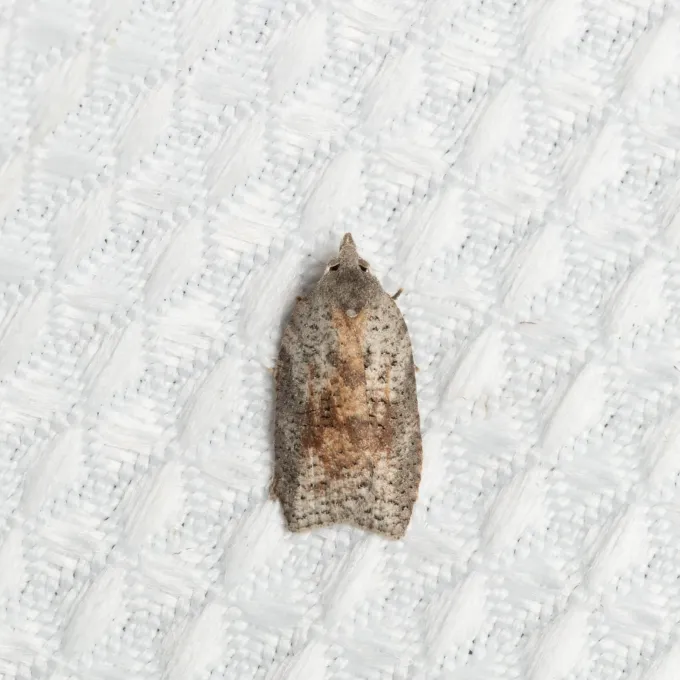
The adult moth has a wingspan of approximately 20 to 30 mm. Its forewings are characterized by shades of brown or ochre, often featuring dark, irregular markings that provide excellent camouflage against tree bark.
The larvae, or caterpillars, exhibit a typical leafroller appearance with a smooth, cylindrical body and a shiny head. Their color can shift from light green to a deeper olive, depending on their development stage.
The life cycle involves complete metamorphosis, progressing through egg, larval, pupal, and adult stages. Depending on the geographical location, this insect can complete one or two generations per year.
Overwintering typically occurs at the larval stage within dense cocoons hidden under loose bark or among leaf debris, where they remain until warming temperatures trigger spring activity.
What it damages
This pest is a polyphagous insect that attacks a variety of host plants, most notably pome fruits such as apples and pears, as well as stone fruits like plums and cherries in diverse environmental conditions.
Caterpillars cause primary damage by feeding on foliage and young fruit. They are notorious for rolling leaves into protective shelters, which significantly impairs the tree's photosynthesis and overall health.
On fruits, the larvae create shallow, irregular feeding scars on the surface. These wounds not only ruin the fruit's market value but also act as entry points for pathogens and secondary infections.
Heavy infestations can lead to significant yield loss, as the combination of defoliation and direct fruit damage weakens the tree and reduces the total harvest quality during the growing season.
In nursery settings, young saplings are particularly vulnerable; larval feeding on terminal buds can distort growth patterns and lead to permanent structural defects in the trees.
Signs of infestation
The most visible sign of infestation is the presence of leaves tightly rolled or folded and fastened together with silk webbing. Inspecting these nests often reveals the presence of larvae.
Superficial feeding scars on developing fruit, which eventually become corky, brown blemishes, are clear indicators that the orchard is affected by this specific leafroller species.
Frass (larval droppings) found within the webs or on the surface of leaves and fruit is a common sign of active feeding and should trigger immediate inspection of the orchard canopy.
Affected trees may display ragged foliage with partially consumed leaf margins, giving the canopy a sparse or sickly appearance during peak infestation periods in mid-summer.
Adult moth activity can be monitored using light traps or pheromone baits, which are essential tools for determining the timing of egg-laying and planning effective control interventions.
Control measures
Effective management of Amorbia humerosana requires a multi-faceted approach, combining cultural practices with biological and chemical control measures based on accurate monitoring.
Cultural practices, such as removing fallen leaves and pruning debris during the dormant season, help reduce the overwintering population and minimize the source of spring infestations.
Pheromone traps serve as an early warning system, allowing growers to target insecticide applications during the period when larvae are newly hatched and most susceptible to control agents.
- Utilizing biological insecticides containing Bacillus thuringiensis.
- Applying insect growth regulators to disrupt larval development.
- Encouraging natural predators and parasitoids in the orchard ecosystem.
Chemical control should be employed strategically, rotating different chemical classes to delay the development of resistance within the pest population and ensure long-term effectiveness of the products used.
Taxonomy
- Latin name
- Amorbia humerosana
- Order
- Lepidoptera (butterflies)
- Family
- Tortricidae
- EPPO code
- AMOBHU
Discussion
No discussions yet — be the first.