
Amorbia
Amorbia
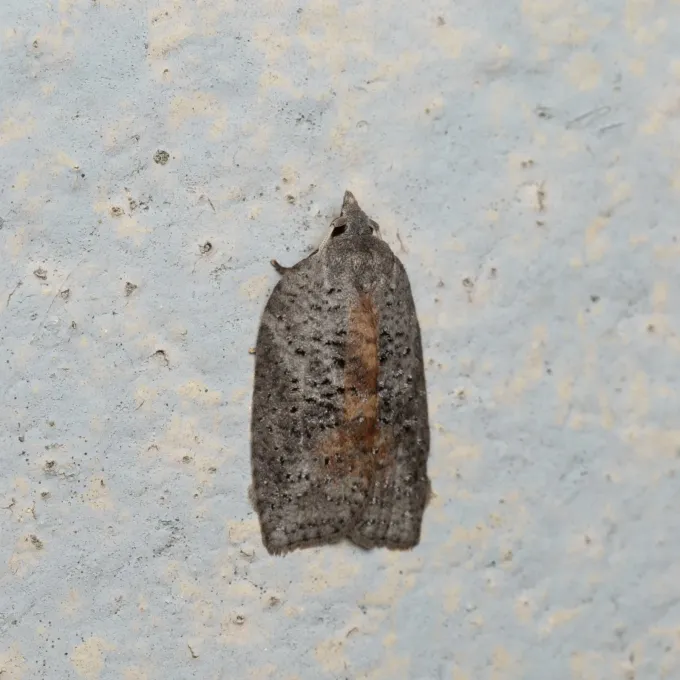
Description
How to identify
Amorbia is a genus of moths belonging to the family Tortricidae, commonly known as leafrollers. These insects are significant agricultural pests in many parts of the world, with adult moths characterized by their mottled brown or yellowish wings, usually spanning 20–30 mm.
The larvae, or caterpillars, are the primary damaging stage of this pest. They typically have a greenish body with a distinct, often darker, head capsule, which helps in identifying them during field inspections.
The life cycle consists of the egg, larval, pupal, and adult stages. Females lay their eggs in clusters, often covering them with a protective, scale-like secretion that mimics the color of the leaf surface, making them difficult to detect.
Depending on the climatic conditions, Amorbia can complete multiple generations within a single growing season. This rapid turnover of generations allows the population to grow significantly if left unchecked.
Proper identification often involves the use of sex pheromone traps specifically designed for this genus. These tools are essential for monitoring flight patterns and timing intervention measures effectively.
What it damages
Amorbia is known to be a polyphagous pest, meaning it feeds on a wide range of host plants. It is particularly notorious in orchard environments, causing damage to apples, pears, avocados, and various citrus crops.
The larvae feed on both foliage and fruit. By consuming leaf tissue, they reduce the plant's photosynthetic capacity, which directly impacts the tree's vigor and overall fruit quality.
When feeding on fruit, the caterpillars typically scrape the surface or bore shallow tunnels into the skin. This cosmetic damage significantly lowers the market value of the produce and creates entry points for decay organisms.
Secondary infections, such as fungal or bacterial rots, often follow the initial damage. These infections can lead to premature fruit drop or post-harvest rot, resulting in severe economic losses for growers.
Young trees are especially vulnerable to infestation. Heavy defoliation by Amorbia larvae can stunt growth and weaken the plant, making it more susceptible to other biotic and abiotic stressors.
When it appears
The activity of Amorbia is highly dependent on ambient temperature. As spring approaches and temperatures rise, overwintering larvae resume feeding, and pupation begins, leading to the emergence of the first generation of adults.
The peak activity and flight of adult moths usually occur during the warmer months. During this time, the reproductive cycle is accelerated, and egg-laying becomes frequent across orchards and fields.
Summer generations are typically the most destructive due to the combination of high larval populations and active fruit development. Frequent monitoring is crucial during this period to catch the infestation early.
As autumn sets in and temperatures decline, the pest prepares for the winter. Late-stage larvae often seek shelter in protected areas, such as beneath bark scales or within curled leaves, to endure the cold season.
In tropical and subtropical climates, Amorbia can remain active throughout the year. In these regions, continuous breeding cycles make the pest a persistent threat that requires year-round management strategies.
Signs of infestation
The most recognizable sign of an Amorbia infestation is the presence of rolled or folded leaves, which the caterpillars tie together with silken threads. These structures serve as protection while the larvae feed.
Accumulation of frass (caterpillar excrement) within these leaf shelters is a key indicator of infestation. The presence of fine webbing covering the leaf surface or fruit skin is another tell-tale sign of activity.
On fruits, damage appears as shallow, irregular grooves or scarred skin. These areas often darken as they become colonized by secondary pathogens or as the fruit tissue oxidizes.
If the infestation is severe, a tree may exhibit sparse foliage and visible signs of distress. In extreme cases, one might observe premature defoliation or the wilting of young growing tips.
- Tied, rolled, or folded leaves containing caterpillars.
- Visible frass and webbing on foliage and fruit.
- Shallow, scarred, or tunnelled damage on the fruit surface.
- Premature leaf and fruit drop in affected trees.
- Loss of tree vigor and stunted growth of shoots.
Control measures
Integrated Pest Management (IPM) is the most effective approach for controlling Amorbia. Cultural practices, such as pruning and destroying infested material, are fundamental steps in reducing the local population.
Biological control, including the use of parasitic wasps and entomopathogenic bacteria like Bacillus thuringiensis, can significantly suppress larval populations without the heavy use of synthetic chemicals.
Chemical control should be targeted at the early larval stages before they form protective leaf rolls. Utilizing pheromone traps for monitoring helps determine the optimal application window for insecticides.
Rotating different modes of action for insecticides is vital to manage the risk of resistance development, as leafrollers can quickly adapt to frequently used chemical treatments.
Maintaining a balanced nutrition and irrigation program helps trees recover faster from damage and improves their overall resistance to pest pressures. Collaboration with local extension offices can ensure regional control timing is accurate.
Taxonomy
- Latin name
- Amorbia
- Order
- Lepidoptera (butterflies)
- Family
- Tortricidae
- EPPO code
- AMOBSP
Discussion
No discussions yet — be the first.