
Amerrhinus
Amerrhinus
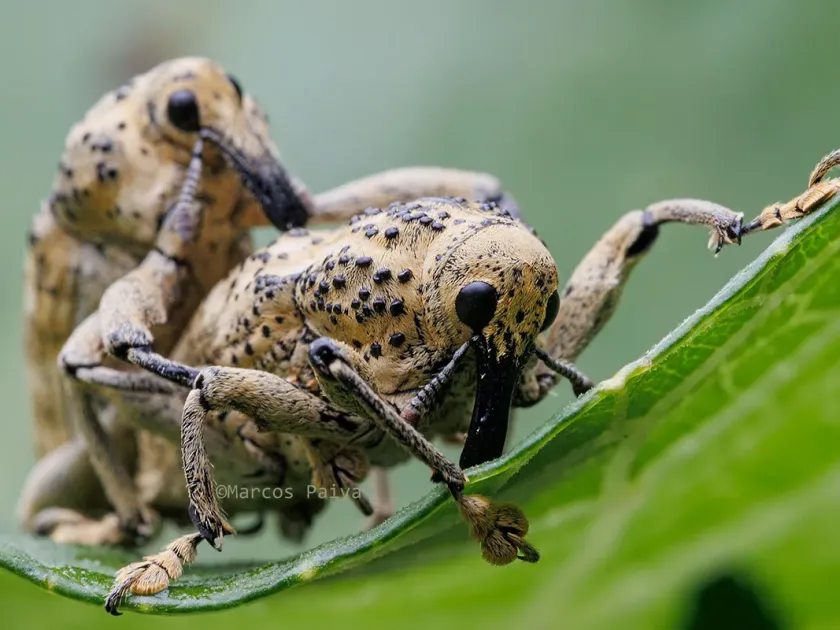
Description
How to identify
Amerrhinus is a genus of weevils belonging to the Curculionidae family. These insects possess the characteristic elongated rostrum, which they utilize for feeding on plant tissues and for the precise placement of eggs within the host plant.
Physically, these beetles typically exhibit robust bodies with dark or brownish coloration, providing effective camouflage against the bark or leaf bases of their host trees. They are largely nocturnal and lead a secretive lifestyle, making them difficult to detect during the day.
Taxonomically, the genus is classified under the subfamily Baridinae. They are highly specialized phytophagous insects that spend the majority of their life cycle sequestered within the internal structures of monocotyledonous plants, necessitating vigilant scouting practices.
Their life cycle consists of a complete metamorphosis: egg, larva, pupa, and adult. The larval stage is the most destructive phase, as the larvae develop entirely within the woody tissues or leaf petioles, sheltered from external environmental factors and predators.
Accurate species identification often requires professional laboratory analysis and the use of specialized entomological keys, as subtle morphological differences distinguish them from other related weevil species inhabiting similar niches.
What it damages
The primary hosts for Amerrhinus include various palm species (Arecaceae). The pest tends to exploit weakened or stressed specimens, boring into soft tissues, including the crown and the base of the petioles, to establish feeding galleries.
As larvae bore through the plant tissue, they disrupt the vascular system, effectively hindering the transport of water and nutrients throughout the palm. Persistent feeding can lead to the structural collapse of the crown, which is the plant's vital growing point.
Damaged tissues are highly susceptible to opportunistic secondary infections by fungi and bacteria. These pathogens often exacerbate the physiological stress caused by the weevils, leading to rapid decline or even the total death of the tree.
In managed environments like ornamental gardens or commercial plantations, Amerrhinus can cause significant damage. A small number of beetles can trigger an infestation that spreads quickly through an entire planting area if not managed properly.
The economic impact involves the high cost of arboricultural intervention, the potential loss of high-value palm specimens, and the overall degradation of aesthetic or commercial value in managed landscapes.
Signs of infestation
Early symptoms of infestation often include yellowing or premature wilting of the leaves, starting with the crown. Close inspection may reveal small entry or exit holes on the trunk or leaf bases, often accompanied by sap flow or frass (boring dust) accumulation.
As the infestation progresses, the palm may exhibit structural instability. A visible drooping or "snapping" of the crown is a critical indicator of severe interior tunneling that has compromised the vascular integrity of the meristematic region.
Adult beetles may occasionally be detected during night-time surveys using specialized lighting or by inspecting the leaf axils for adult activity. The presence of frass accumulations in these areas is a reliable sign of ongoing larval activity.
Since early-stage infestations are often hidden, regular monitoring is essential. Agronomists recommend paying close attention to palms that show signs of environmental stress, as these are the most attractive targets for the female beetles seeking egg-laying sites.
Diagnostic tools include manual pressure testing or probing the trunk's surface. If the tissues feel spongy or soft, it indicates that larval galleries have likely hollowed out the interior, requiring immediate remedial action.
Control measures
The first line of defense is proper horticultural maintenance. Maintaining palm health through balanced fertilization and appropriate irrigation helps the tree develop stronger structural defenses, making it less attractive to the pests.
Chemical control usually involves the application of systemic insecticides that are absorbed and translocated throughout the palm's tissues. This is crucial for targeting larvae that are shielded inside the trunk and unreachable by topical sprays.
Trunk injection techniques are highly recommended as they provide an efficient way to deliver active ingredients directly into the heart of the infestation. This approach minimizes collateral damage to the environment while ensuring better efficacy against tunneling larvae.
Sanitation practices, including the removal and destruction of heavily infested palms or specific plant parts, are vital for reducing the overall pest population. Infested material must be burned or deep-buried to prevent adult beetles from emerging and re-infesting the area.
The use of pheromone-based monitoring traps is a standard practice for tracking adult beetle populations. This allows for early detection of seasonal activity, ensuring that control measures are timed correctly to mitigate infestations before significant damage occurs.
Taxonomy
- Latin name
- Amerrhinus
- Order
- Coleoptera (beetles)
- Family
- Curculionidae
- EPPO code
- AMERSP
Discussion
No discussions yet — be the first.