
Ambystoma
Ambystoma
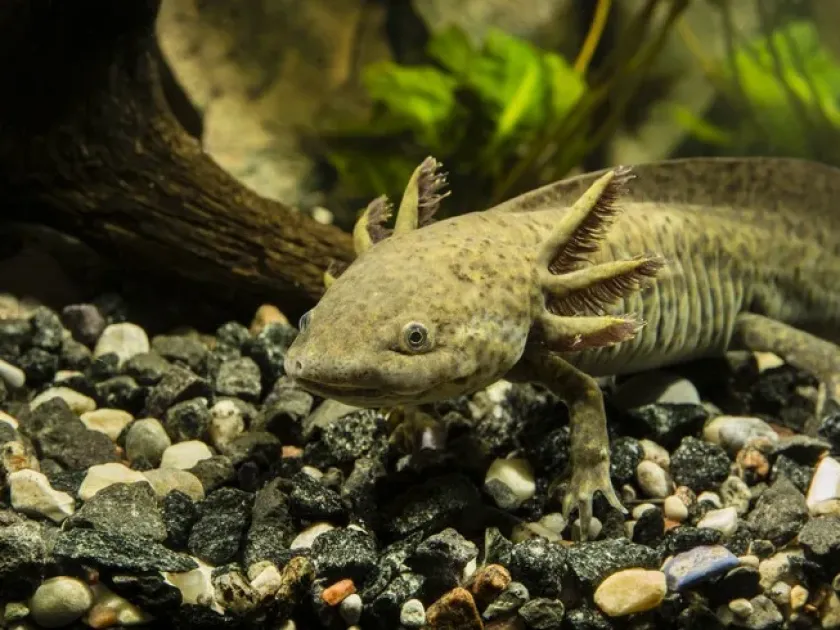
Description
How to identify
Ambystoma is a genus of neotenic and metamorphic salamanders belonging to the family Ambystomatidae. These animals are often referred to as mole salamanders due to their burrowing nature.
They are characterized by a robust body, a broad head, and a long, muscular tail. They are typically found in moist environments, hiding beneath debris or underground during the day.
In terms of systematic classification, they are vertebrates (Amphibia). They possess a complex life cycle, with some species being fully aquatic while others are semi-terrestrial as adults.
Unlike insects or mites, they do not have specialized mouthparts for feeding on plant tissues and cannot be classified as agricultural pests under any conditions.
Recognizing these amphibians is essential for farmers to avoid misguided control measures against harmless or even beneficial biodiversity in their fields.
What it damages
Ambystoma species are obligate carnivores. Their diet consists primarily of small invertebrates such as worms, insects, and slugs, which are often the very pests that plague garden crops.
They do not consume plant material, including leaves, roots, stems, or fruits. Consequently, they cause zero damage to commercial crops or home garden vegetation.
These salamanders do not harbor plant pathogens or promote the spread of bacterial or fungal diseases in agricultural environments.
Their presence on farmland is purely incidental, often related to the search for moisture, shelter, or suitable breeding grounds near irrigation ponds or damp areas.
Farmers should view the presence of these amphibians as a sign of a healthy, pesticide-free environment rather than a threat to their production cycles.
Control measures
There are no control measures for Ambystoma in agriculture because they are not pests. They play a valuable role in the food web by preying on nuisance insects.
The use of pesticides, fungicides, or herbicides in areas where these salamanders are present can lead to their rapid decline, as amphibians have highly permeable skin.
If they interfere with manual labor, they should be carefully relocated to a safe, natural habitat like a nearby wetland or a forested area rather than harmed.
Protecting these species is often encouraged by environmental authorities, as many Ambystoma populations are under threat due to habitat loss and environmental degradation.
No agricultural budget or effort should be allocated to controlling this genus, as they contribute to the biodiversity that supports sustainable farming practices.
Taxonomy
- Latin name
- Ambystoma
- Family
- Ambystomatidae
- EPPO code
- ABYSSP
Discussion
No discussions yet — be the first.