
Alabagrus stigma
Alabagrus stigma
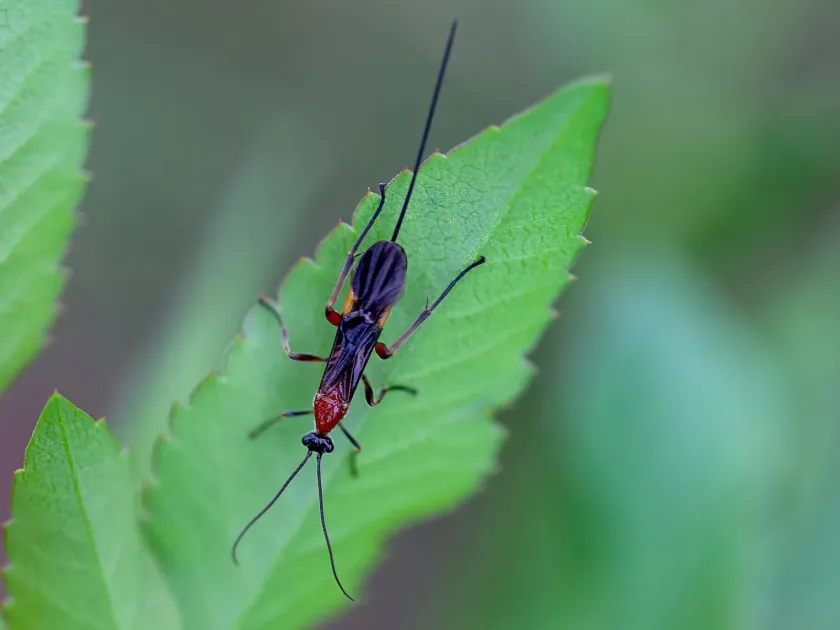
Description
How to identify
Alabagrus stigma is a species of parasitic wasp belonging to the family Braconidae, order Hymenoptera. It is recognized as a vital natural enemy of various lepidopteran pests in agricultural environments.
Adult wasps have a distinctive morphology typical of the subfamily Agathidinae. They are characterized by a slender body, often with striking coloration, and a functional ovipositor used for searching and parasitizing concealed hosts.
Their sensory systems are highly specialized to detect volatile chemical compounds (kairomones) released by host larvae feeding on plant tissues. This allows them to effectively locate prey hidden within stems or leaves.
Systematically, this genus is known for its high level of host specificity. Understanding their taxonomic position helps researchers and agronomists implement better strategies for utilizing them in biocontrol programs.
In the field, these wasps are easily distinguished by their wing venation patterns and distinct behavioral traits associated with patrolling and host-seeking activity during daylight hours.
What it damages
It is important to emphasize that Alabagrus stigma is not a plant pest. It is a highly beneficial organism that provides biological control services by preying on larvae of moths and other lepidopteran species that damage crops.
The larvae of the wasp develop internally within the host, eventually leading to the death of the caterpillar. This process significantly reduces the amount of leaf tissue consumption and stem damage in crops like corn and legumes.
Because they are endoparasitoids, they are particularly effective at controlling "hidden" pests that are otherwise difficult to reach with standard contact-based insecticide applications.
By keeping pest populations below economic thresholds, these parasitoids reduce the overall agricultural impact of lepidopteran infestations, leading to healthier crop development and higher yields.
The regulatory potential of these insects is immense, especially in sustainable agricultural systems where maintaining natural balance is a primary goal for long-term farm management.
Control measures
Conservation of Alabagrus stigma populations requires a significant reduction in the use of broad-spectrum insecticides. Targeted, selective pest control methods should be prioritized to avoid harming non-target beneficial insects.
Enhancing habitat diversity by maintaining flower-rich field margins provides essential nectar sources for adult wasps, increasing their longevity and reproductive output in the vicinity of crops.
- Avoid spraying during peak flight times of the wasps.
- Integrate refuge areas in landscape planning.
- Use selective biological pesticides when necessary.
Strategic monitoring of pest-parasitoid dynamics allows agronomists to determine if existing biological control pressure is sufficient or if supplemental intervention is required to protect the harvest.
Promoting a mosaic-like landscape that includes hedgerows and wildflower patches ensures that these parasitoids have the necessary resources to thrive and suppress pest populations throughout the growing season.
Taxonomy
- Latin name
- Alabagrus stigma
- Order
- Hymenoptera
- Family
- Braconidae
- EPPO code
- AGATST
Discussion
No discussions yet — be the first.