
Aegorhinus
Aegorhinus
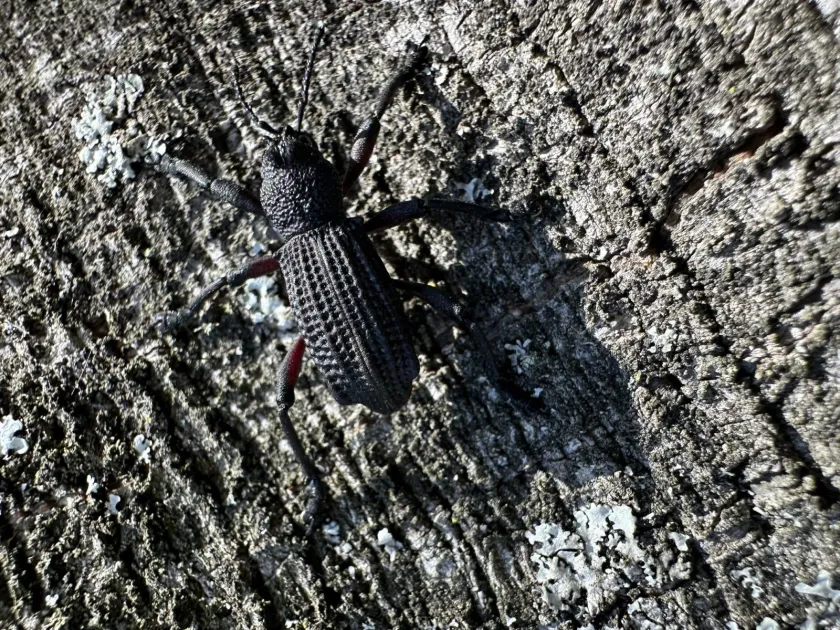
Description
How to identify
Aegorhinus is a genus of weevils (family Curculionidae) known for their wood-boring habits. These beetles possess a robust, elongated rostrum and a durable exoskeleton, often covered with protective scales that blend into bark patterns.
The larvae are typically legless, white-colored, and equipped with strong mandibles designed for tunneling through wood. Adults are mostly nocturnal, spending their days hidden in bark crevices or at the base of the host tree to avoid predation.
Taxonomically, they are classified under the order Coleoptera. Their life cycle is adapted to the wood anatomy of host plants, allowing them to complete their development inside the tree trunk or root system.
Morphological characteristics vary among species, but all share a preference for attacking the woody parts of perennial plants. Proper identification often requires an entomological analysis of the adult beetle's features or the specific patterns of the larvae's tunnels.
Due to their secretive nature, they are often overlooked until significant damage has occurred. Monitoring these pests requires understanding their specific activity cycles within the local orchard environment.
What it damages
The primary damage is caused by larvae feeding on the cambium and xylem, which disrupts the transport of nutrients and water throughout the plant. This girdling effect can lead to the rapid decline and death of the infested tree.
These pests primarily target various fruit trees, including pome and stone fruits. Their ability to bore deep into the trunk makes them particularly destructive in orchards, where they can survive for extended periods if left untreated.
Severe infestations often cause the tree to lose vigor, stop growing, and eventually succumb to secondary stressors like drought or disease. The damage to the root collar is especially critical for young saplings.
The tunnels created by Aegorhinus also serve as entry points for wood-rotting fungi and bacteria. This exacerbates the physical damage, leading to structural instability and the formation of cavities in the trunk.
Economic impacts include reduced fruit yield, the cost of tree replacement, and expensive pest control measures. Early detection is vital to mitigate the spread of these insects throughout the orchard.
Signs of infestation
Signs of infestation include visible holes in the bark and the presence of frass (wood shavings and excrement) at the base of the trunk. These are clear indicators that larvae are actively boring within the wood.
Trees affected by these weevils may show yellowing leaves, premature leaf drop, and stunted growth. The overall canopy density often decreases, reflecting the tree's impaired ability to absorb essential nutrients.
Bark abnormalities such as cracking, peeling, or localized gumming (gummosis) often occur where larvae have penetrated the inner layers. These areas should be investigated carefully for active insect tunnels.
Adult beetles can occasionally be seen on the trunk at night. Their presence confirms a breeding population and highlights the need for immediate intervention to prevent further egg-laying.
In cases of heavy infestation, branches may wither or break unexpectedly, indicating severe damage to the tree's vascular system. Periodic inspections are the most effective way to identify these symptoms early.
Control measures
Management of Aegorhinus requires a multi-faceted approach involving cultural practices and targeted chemical control. Maintaining the overall health of the orchard is a fundamental defensive strategy.
Physical control measures, such as installing sticky bands on trunks, can prevent adults from climbing and laying eggs. Regular pruning and removal of dead or infested wood are essential to eliminate larvae reservoirs.
Systemic insecticides are generally the most effective way to reach larvae hidden deep within the wood. Applications should be timed carefully based on the adult emergence period to ensure maximum impact.
Good orchard hygiene—including clearing debris from the tree base—makes the environment less hospitable for the beetles. Providing adequate water and nutrients helps the trees recover from minor infestations.
- Regular night monitoring for adult beetle activity.
- Application of chemical sprays during the peak emergence window.
- Surgical removal of heavily infested trunk sections.
- Implementation of pheromone traps if available for the specific species.
Taxonomy
- Latin name
- Aegorhinus
- Order
- Coleoptera (beetles)
- Family
- Curculionidae
- EPPO code
- AEGOSP
Discussion
No discussions yet — be the first.