

Insecticide of biological origin «Entocide (Metarizin)
BTU-Center
Insecticides
0
0
·
41
31 offer
7.9 €per 1 l
Buy
Actebia
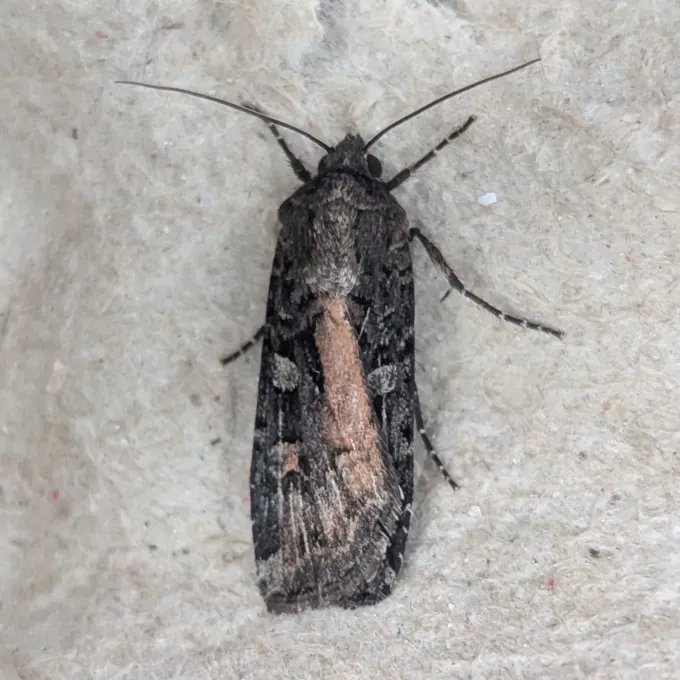
The cutworm (genus Actebia) belongs to the Noctuidae family of the order Lepidoptera. Adult moths are typically brownish-grey in color, which serves as effective camouflage on the soil surface.
The larvae, known as cutworms, are the primary damaging stage. They possess robust, cylindrical bodies often colored in dull shades of grey, brown, or black, matching their subterranean habitat.
A distinctive behavioral trait of cutworms is their tendency to curl into a "C" shape when disturbed, which makes them easy to identify when digging in the soil near damaged plants.
Their life cycle consists of four distinct stages: egg, larva, pupa, and adult. The number of generations per year varies depending on the species and the local climatic conditions.
Most cutworms overwinter as mature larvae deep in the soil, emerging in the spring when temperatures rise, at which point they become ravenously hungry after their long dormancy.
Cutworms are highly polyphagous pests capable of attacking a vast range of crops, including corn, sugar beets, sunflower, tobacco, and various vegetable species.
They are particularly destructive to seedling stages. By feeding on the base of the stems, they sever the connection between the roots and the leaves, leading to plant death.
Beyond cutting stems, some species are known as "climbing cutworms," which can move up the plant to feed on foliage, buds, and fruits, causing significant cosmetic and structural damage.
In addition to surface damage, cutworms can cause severe losses in root crops like potatoes and carrots, where they bore deep cavities, ruining the quality and market value of the produce.
Widespread infestations can devastate entire fields, forcing growers to replant, which results in significant economic loss and delays in the production schedule.
Adult moths usually begin their flight in late spring. Their activity is heavily dependent on temperature, with peak movement occurring on warm nights when they seek out host plants for egg-laying.
Females prefer to lay eggs on the stems of weeds or directly onto moist soil. The eggs hatch into small larvae that initially feed on low-growing vegetation.
As the season progresses into summer, the larvae grow and consume more plant material, becoming a significant threat to young agricultural seedlings and late-planted crops.
A second generation can appear towards the end of summer, creating a persistent threat throughout the growing season for a wide variety of cultivated crops.
As autumn approaches, the final generation of larvae prepares for winter by burrowing deeper into the soil to reach a frost-free depth where they can safely hibernate.
The most obvious sign of a cutworm infestation is the presence of wilted or toppled seedlings in the field, often occurring in random patches or along specific rows.
If you suspect an infestation, inspect the soil around the base of the severed plant. You will often find the larvae curled in the dirt just below the soil surface.
Gaps in the rows of newly emerged plants are a clear indicator that cutworms have been feeding, as they effectively "mow down" the seedlings overnight.
Notches or holes in the leaves, combined with missing stems, indicate that the larvae might be moving up the plants or feeding on tender foliage during the night.
Nighttime observation with a flashlight may reveal the larvae actively feeding on the surface, providing immediate confirmation of the pest's identity and activity level.
Cultural control is the first line of defense; deep plowing in the autumn helps expose the larvae and pupae to predators and harsh winter weather, reducing the population.
Effective weed management is crucial. By removing weeds before or during the planting season, you eliminate the alternative food sources that larvae rely on early in their cycle.
If chemical control is necessary, apply insecticides during the late evening, when cutworms are most active and likely to come into contact with the product on the soil surface.
Monitoring with pheromone or light traps helps track moth flight patterns, allowing for precise timing of interventions before significant damage to the crop occurs.
No discussions yet — be the first.