
Acrotomopus
Acrotomopus
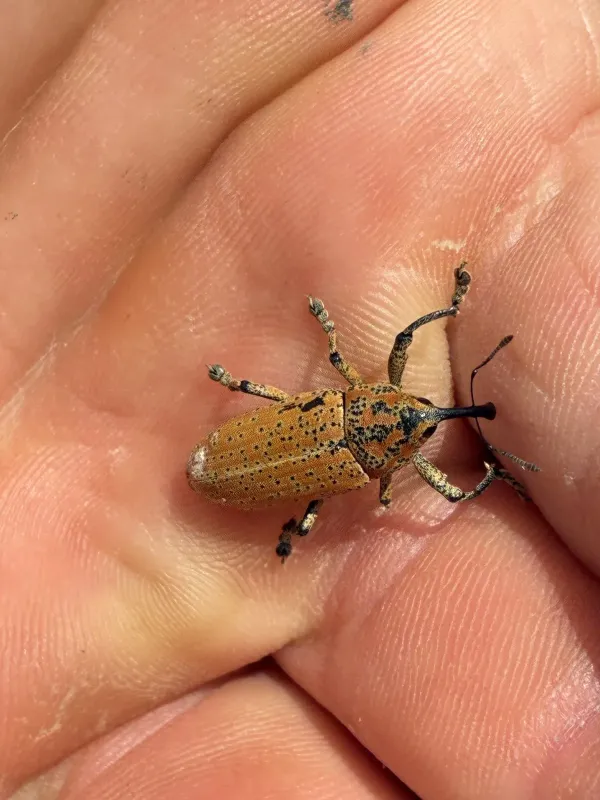
Description
How to identify
Acrotomopus is a genus of insects belonging to the Curculionidae family, commonly known as true weevils, within the order Coleoptera. These insects are easily identified by their elongated rostrum, a snout-like extension of the head.
Adult weevils are typically characterized by a robust body structure with cryptic coloration, allowing them to blend seamlessly with soil particles or plant debris in their natural habitats.
The biology of this genus is marked by the concealed development of their larvae, which typically feed internally within the stems or roots of their host plants, providing protection from external predators.
Accurate identification of specific species within the genus requires professional taxonomic inspection, as many similar species exist in the same agricultural zones.
In modern agriculture, Acrotomopus is recognized as a specialized phytophagous pest capable of causing economic damage to various industrial crops.
What it damages
Acrotomopus species primarily target agricultural crops within the Malvaceae and Fabaceae families, where they find suitable conditions for oviposition and larval growth.
The larvae are responsible for the most significant damage as they bore into the plant stems, hollowing out the inner pith and compromising the vascular system.
Plants affected by the feeding activity of these larvae often show stunted growth, lack of vigor, and can become structurally weakened, leading to lodging.
Damage to the internal tissue also creates entry points for secondary pathogens, such as fungi and bacteria, which can accelerate the death of the plant.
In high-density populations, the cumulative impact of these activities can lead to substantial yield losses if not managed during the early growing stages.
When it appears
The emergence of adult Acrotomopus typically aligns with the arrival of warmer spring temperatures, which trigger their reactivation from winter diapause.
The peak activity and subsequent egg-laying phase often coincide with the rapid vegetative growth stages of the crops, providing an ideal substrate for the larvae.
Environmental factors such as humidity and rainfall play a crucial role in the lifecycle timing, as high moisture levels can promote faster development of subsequent generations.
These pests generally overwinter as adults, finding shelter in the soil or under layers of decaying plant material until the following growing season.
Given stable environmental conditions and continuous crop availability, these insects can sustain multiple generations throughout the warmer months of the year.
Signs of infestation
The initial signs of an infestation often appear as small, subtle puncture marks on the stems, created by females during the process of depositing eggs.
As the larvae feed internally, the most visible symptoms include the yellowing of leaves and the wilting of terminal shoots, even when soil moisture is adequate.
Closer inspection of the stem base often reveals small exit or entrance holes, and cutting the stem open will expose the galleries filled with larval frass.
- Premature wilting of the plant canopy.
- Structural weakness resulting in lodging or stem breakage.
- Presence of larvae or pupae within the pith tissue of the stems.
A reduction in overall plant biomass and yield is common in fields where the infestation has gone unnoticed during the early stages of the crop cycle.
Control measures
Effective management begins with robust crop rotation practices, which interrupt the lifecycle of the pest by removing the host plants for several seasons.
Cultural methods, such as deep autumn plowing, are highly effective in disrupting the overwintering sites of the adults, thereby reducing the population size for the next year.
Systemic insecticides provide the most reliable chemical control, as they are absorbed by the plant and target the larvae feeding within the protected internal tissues.
Sanitation is critical; all crop residues must be collected and removed from the field promptly after harvest to eliminate potential breeding and overwintering grounds.
Integrated Pest Management (IPM) programs should incorporate monitoring using attractant traps to ensure that chemical interventions are timed correctly and used sparingly.
Taxonomy
- Latin name
- Acrotomopus
- Order
- Coleoptera (beetles)
- Family
- Curculionidae
- EPPO code
- AKRTSP
Discussion
No discussions yet — be the first.