
Lythrum Tortrix
Acleris lorquiniana
Description
How to identify
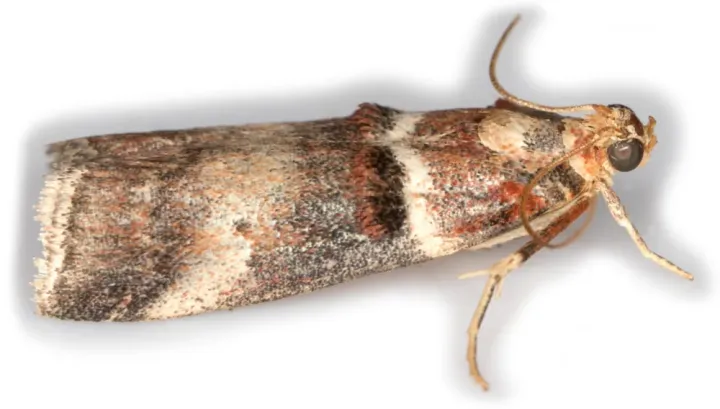
The Lythrum Tortrix (Acleris lorquiniana) is a moth belonging to the family Tortricidae, order Lepidoptera. It is a relatively small moth, with adults typically having a wingspan ranging from 15 to 20 millimeters.
The forewings of the adult moth exhibit colors ranging from ochre-yellow to brownish hues, often decorated with faint, indistinct patterns. The hindwings are generally paler, possessing a grayish or brownish tone, consistent with other members of the genus.
The larvae, or caterpillars, undergo several developmental stages. Initially, they are light-colored, but as they grow, they shift toward greenish or olive shades, providing excellent camouflage against the foliage of their host plants.
Pupation typically occurs within folded or spun leaves. The pupae are protected by silken cocoons and possess characteristic small spines on the abdominal segment, which help secure them within their leaf shelter until emergence.
This species is highly host-specific, primarily associated with plants of the genus Lythrum (loosestrife), often found near water bodies, wetlands, or in specialized gardens where these plants are cultivated.
What it damages
The primary hosts for Acleris lorquiniana are plants of the genus Lythrum. The caterpillars feed directly on the leaves, which can cause significant aesthetic and physiological damage if the infestation is heavy.
Damage begins with skeletonization, where the caterpillars consume the soft leaf tissue, leaving the veins intact. As the larvae mature, they may consume the leaves more aggressively, leading to severe defoliation of the affected plant stems.
The larvae are well-known for their habit of tying leaves together with silk or rolling them into tubes. These structures serve as protective nests, allowing the caterpillars to feed undisturbed by predators or unfavorable weather conditions.
Severe infestations lead to stunted plant growth, leaf deformation, and premature leaf drop. In nursery settings, this can render the plant material unsalable due to the loss of ornamental quality.
While the impact is generally localized to the specific host plants, the cumulative effect of constant feeding throughout the season can weaken the plants, making them more susceptible to other secondary infections or environmental stress.
When it appears
The life cycle of the Lythrum Tortrix is influenced by climatic conditions. Depending on the region and the length of the growing season, the species may produce one or two generations per year.
Adult flight typically begins in early summer, triggered by stable warmer temperatures. During this period, females deposit eggs on the undersides of host plant leaves, usually selecting healthy foliage to support the developing larvae.
Larval development is relatively rapid, with caterpillars emerging from eggs within a week. The peak of larval activity and subsequent damage is usually observed during mid-summer, matching the period of most vigorous plant growth.
Pupation usually takes place in late summer or early autumn. The species often overwinter as pupae hidden within the plant debris or the rolled leaves that remain on the stems, providing shelter against the cold.
Consistent moisture and warm weather are essential for the survival and population growth of this moth. Conversely, prolonged periods of extreme heat or drought can interrupt the life cycle and reduce the number of surviving larvae.
Signs of infestation
The most reliable sign of an infestation is the presence of rolled or spun leaves on the host plants. If one observes leaves that are stuck together by fine silk, it is a strong indicator of larval presence.
Skeletonized leaf patches serve as an early warning sign. As caterpillars grow, the damage becomes more obvious, with large sections of the foliage missing or ragged, often accompanied by visible larval excrement.
The presence of fine webbing in the inflorescences or between leaves is another common indicator. This webbing is used by the larvae to anchor their shelters to the main stems or other leaves.
Stunted growth or the distortion of the terminal buds is often caused by the larvae feeding on the youngest, most tender parts of the plant. This prevents normal growth and leads to abnormal branching patterns.
Routine inspections during the late spring and early summer allow for early detection. Monitoring for adult moths using light or pheromone traps can also provide advance notice of impending larval activity.
Control measures
Effective management begins with cultural practices, such as the manual removal and destruction of rolled leaves and infested plant parts to reduce the immediate population of the moth.
Biological control, using formulations containing Bacillus thuringiensis or other specific entomopathogenic organisms, is highly recommended as it targets the larvae effectively while preserving beneficial insect populations.
If chemical control is necessary, systemic or contact insecticides should be applied during the window before the larvae are fully enclosed within their silken leaf rolls, as protection within these nests makes contact with chemicals difficult.
Encouraging biodiversity in the surrounding area can naturally limit moth numbers by supporting the populations of parasitoid wasps and predatory insects that feed on tortricid larvae.
Integrated Pest Management (IPM) strategies, including monitoring and timely intervention, are essential to ensure the health of the host plants without over-relying on broad-spectrum chemical treatments.
Taxonomy
- Latin name
- Acleris lorquiniana
- Order
- Lepidoptera (butterflies)
- Family
- Tortricidae
- EPPO code
- ACLRLO
Discussion
No discussions yet — be the first.