
Strawberry tortrix
Acleris comariana
Description
How to identify
The strawberry tortrix (Acleris comariana) is a moth species of the family Tortricidae, known as a significant pest in commercial strawberry production across temperate regions.
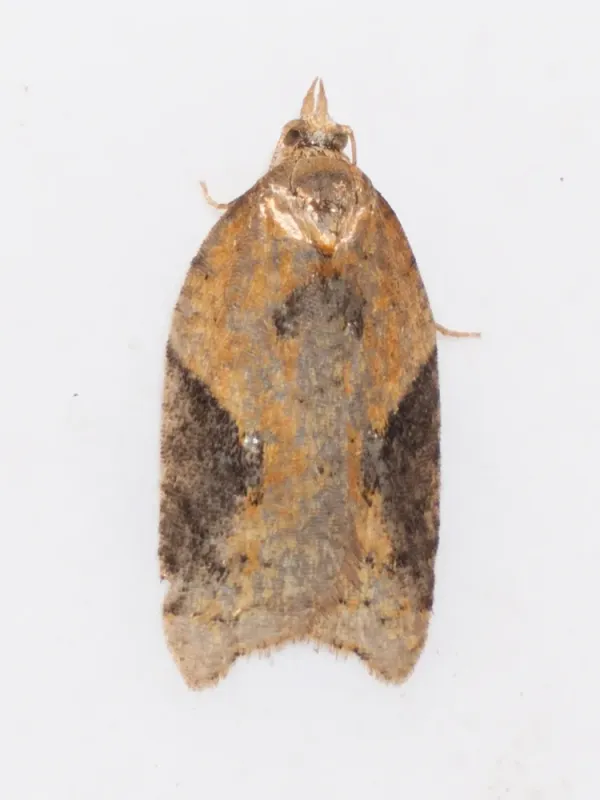
The adult moth is small, typically with a wingspan of 15–20 mm. Its forewings exhibit high color variability, ranging from light gray to dark brown, often featuring mottled patterns that provide excellent camouflage.
Larvae, commonly referred to as caterpillars, are the primary stage causing damage. When young, they are pale, eventually turning into a light green or greenish-brown color with a darker head capsule.
The pupae are typically found hidden within silk-spun leaf shelters, characterized by a smooth, dark brown appearance that protects them from predators and environmental stressors.
Eggs are small, flat, and oval-shaped, usually deposited by the female on the upper surface of leaves or along leaf stalks, making them difficult to detect without close inspection.
What it damages
The primary host plant is cultivated strawberry (Fragaria), but the larvae are opportunistic and may feed on other Rosaceae species like raspberry or blackberry.
Damage is primarily caused by larvae that feed on leaves, using silk to fold or web leaves together into a protective shelter, which restricts the plant's ability to photosynthesize effectively.
Larvae often feed on the youngest, most succulent foliage near the growing point, which can lead to stunted growth and irregular leaf development.
In cases of severe infestation, the larvae will feed directly on flower buds and developing berries, causing significant yield losses and reducing the marketability of the fruit.
Direct damage to the growing point of the strawberry crown can lead to distorted plant architecture, affecting the plant's vigor for subsequent growing seasons.
When it appears
The strawberry tortrix typically completes two generations per year, with the life cycle closely synchronized with the phenology of the strawberry plant.
The insect overwinters as an egg stage on the petioles or stems of the strawberry plant, remaining protected under the plant canopy or snow cover until spring.
First-generation larvae emerge in late spring (May to June), coinciding with the rapid vegetative growth period of strawberry plants.
The second generation occurs later in the summer, often causing more pronounced damage as the population density increases and weather conditions remain favorable.
Climatic factors, particularly temperature, determine the speed of the life cycle; warm and humid summers can lead to more aggressive pest development and overlapping generations.
Signs of infestation
The most reliable sign of a strawberry tortrix infestation is the presence of webbed or folded leaflets in the center of the strawberry crown.
- Rolled or webbed leaves that look stunted or distorted.
- Evidence of feeding damage, such as irregularly shaped holes or skeletonized leaf tissue.
- Visible silk strands connecting leaf surfaces, creating a protective "nest" for larvae.
- Damaged or hollowed-out flower buds that fail to produce healthy berries.
- Frass (caterpillar excrement) accumulated inside the webbed leaf nests.
Control measures
Cultural control practices, such as removing old, infested leaves after harvest and maintaining clean, weed-free plots, are essential to break the pest's life cycle.
Ensuring proper plant spacing and airflow within the strawberry rows helps create a less favorable environment for the moth to settle and lay eggs.
Biological control options, including the application of B.t. (Bacillus thuringiensis) products, are highly effective against young larvae while preserving beneficial predatory insects.
Chemical intervention should be considered only as a last resort, using targeted insecticides applied strictly according to label guidelines to avoid residues on fruit.
Monitoring using pheromone traps can help growers track moth flight activity and determine the optimal timing for protective measures to prevent widespread damage.
Taxonomy
- Latin name
- Acleris comariana
- Order
- Lepidoptera (butterflies)
- Family
- Tortricidae
- EPPO code
- ACALCM
Discussion
No discussions yet — be the first.