
Acicula fusca
Acicula fusca
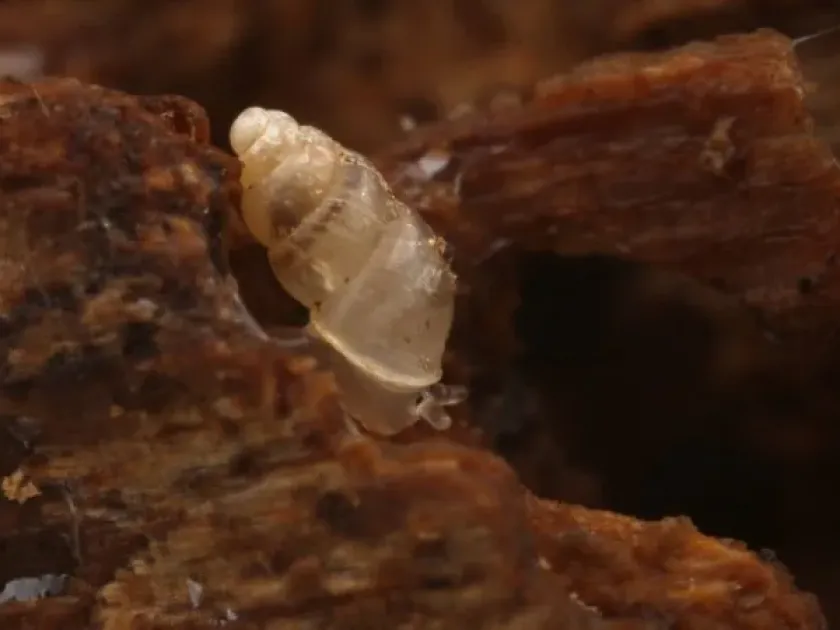
Description
How to identify
Acicula fusca is a minute terrestrial gastropod mollusk belonging to the family Aciculidae. Unlike larger garden slugs or snails, this species features a very small, elongated, spindle-shaped shell that is typically brown and does not exceed 3-4 millimeters in length.
This species is highly secretive, preferring moist, shady habitats. Because of its microscopic size, it often goes unnoticed until the population density becomes high enough to cause visible harm to garden plants or greenhouse crops.
Systematically, this mollusk is part of the order Architaenioglossa. Its biology is strictly linked to moisture levels in soil and leaf litter, making mulched garden beds and dense, shaded plant clusters the primary locations for its reproduction.
Reproduction involves laying tiny eggs within the soil. The incubation period is temperature-dependent, but in temperate climates, it proceeds rapidly, allowing the population to recover quickly and maintain its presence throughout the growing season.
The life cycle includes several growth phases during which the mollusk builds the whorls of its shell. As with other members of its family, it is active primarily during nighttime or periods of high humidity following rainfall.
What it damages
This pest damages a variety of garden and horticultural crops, including vegetable seedlings, delicate flowers, and succulent-leaved ornamental plants.
Damage is caused by scraping the epidermis of leaves and tender stems. Due to the small size of the individuals, the initial signs of damage appear as tiny punctate ulcers or perforations, which may coalesce over time, eventually causing the affected plant parts to dry out.
Damage to the root collar or young sprouts is particularly dangerous, potentially leading to the total loss of the plant during the seedling stage. In greenhouse environments, this mollusk can inhabit potting media and feed on the roots or stems of container plants.
The pest favors dense plantings where humidity remains high and ventilation is poor. High plant density facilitates the rapid spread of the mollusks and increases the overall impact of the infestation on the garden.
The economic damage manifests as a decrease in the market quality of crops and stunted growth of weakened plants. Implementing monitoring strategies is essential for protecting plant health in both outdoor and greenhouse settings.
Signs of infestation
The primary sign of an infestation is the presence of characteristic small damage on the leaves, resembling the work of a micro-drill. The leaf blade becomes lace-like, covered in numerous small holes that can eventually lead to tissue deformation and necrosis.
Faint, silvery tracks of dry mucus left on the soil surface or plant stems are also indicative of mollusk activity. Unlike large slugs, these trails are very thin and dry out quite rapidly.
When inspecting the soil in pots or at the base of plants, you may find empty or inhabited small shells. Because these mollusks are nocturnal, they are best observed by checking under mulch, stones, or wooden boards during the early morning hours.
Stunted seedling growth, in the absence of obvious fungal or bacterial diseases, may indicate hidden mollusk activity within the growing medium. A thorough check of the underside of leaves and the root zone is recommended.
If you notice wilting of young stems near the soil surface without signs of rot, it may suggest that the pests are feeding on the stem tissues just below or at the soil level.
Control measures
The most effective method for controlling Acicula fusca is to reduce the moisture level around the plants. Improving irrigation techniques and ensuring proper air circulation will significantly create an unfavorable environment for the pest.
Mechanical control, such as manual removal or the use of simple traps (vegetable slices or damp boards), can help keep the population at manageable levels. Creating barriers using wood ash or lime around sensitive beds is also considered effective.
Biological control methods, such as utilizing entomopathogenic nematodes of the genus Phasmarhabditis, are highly effective for managing mollusk populations without resorting to harsh chemical interventions.
In cases of severe infestation, the use of registered molluscicides containing metaldehyde or iron phosphate may be necessary, provided that the instructions are strictly followed to ensure environmental safety.
- Regularly loosen the soil surface to disrupt the mollusks' habitats.
- Remove plant debris and garden waste that provide shelter for pests.
- Disinfect greenhouses promptly after the growing season ends.
Taxonomy
- Latin name
- Acicula fusca
- Order
- Molluscs
- Family
- Aciculidae
- EPPO code
- ACICFU
Discussion
No discussions yet — be the first.