
Xanthomonas axonopodis
Xanthomonas axonopodis
Xanthomonas axonopodis is a gram-negative, rod-shaped bacterium belonging to the Xanthomonadaceae family. It is a highly significant phytopathogen known for its ability to cause severe bacterial diseases across various tropical and subtropical crops.
What the section contains
Xanthomonas axonopodis
The bacterium uses a single polar flagellum for motility, allowing it to navigate through films of water on plant surfaces. It colonizes the apoplast of the plant tissue, secreting virulence factors that disrupt cellular structures and cause necrosis.
Taxonomically, it consists of numerous pathovars, each showing high specificity for particular host plants. These pathovars are morphologically similar but genetically distinct, adapted to thrive in diverse agricultural environments.
The survival of the pathogen depends on its ability to persist in infected plant debris, dormant buds, and sometimes in the soil or on surfaces of agricultural machinery. It remains viable until favorable conditions trigger a new infection cycle.
Detection involves observing characteristic symptoms, but definitive identification requires laboratory techniques such as ELISA, PCR, or selective media culturing. Accurate diagnosis is essential for effective quarantine management.
The most devastating impact of this pathogen is citrus canker, affecting nearly all commercial citrus varieties. The disease manifests as corky lesions on leaves, stems, and fruits, rendering them unsuitable for market consumption.
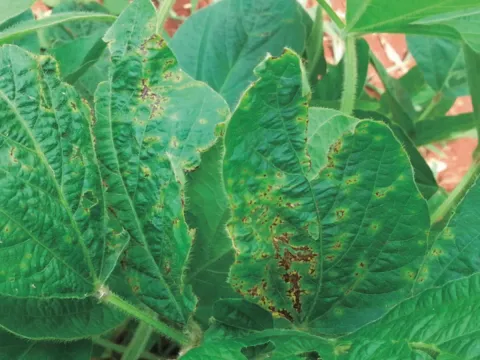
Beyond citrus, specific pathovars of Xanthomonas axonopodis cause blight and spotting in legumes such as beans and soybeans. These infections lead to significant yield reductions and can severely impact the quality of the harvest.
Infected plants suffer from premature defoliation and fruit drop, which weakens the overall vigor of the host. In severe cases, the tree may undergo dieback, making the plantation unproductive and requiring complete removal.
The economic damage extends to trade restrictions, as countries affected by this pathogen often face bans on exporting fruit to disease-free regions. This creates substantial financial losses for agricultural industries.
Secondary infections often take advantage of the tissue damage caused by the bacteria. Fungi and other opportunists can invade through the open lesions, further accelerating the decline of the plant’s health and reducing its lifespan.
Development is highly dependent on climate, with the pathogen thriving in warm and moist conditions. Temperatures between 20°C and 30°C are optimal for the rapid multiplication of bacterial colonies within plant tissues.
The rainy season provides the primary mechanism for dissemination. Wind-driven rain splashes the bacteria from active lesions onto healthy foliage, creating new infection points and spreading the disease rapidly throughout a canopy.
Young, actively growing tissues are the most susceptible to infection. Seasonal growth flushes coincide with higher infection rates, as the tender cuticle is easily breached by the bacteria under favorable humidity levels.
During dry or cold seasons, the pathogen enters a quiescent state, surviving in sheltered spots such as crevices in the bark or hardened cankers on dormant branches. It waits for the return of moisture to resume its life cycle.
Monitoring weather patterns is a critical part of farm management. Periods of high humidity, particularly after storms or heavy irrigation, are the most dangerous times for new outbreaks and require heightened vigilance.
The first signs are small, circular, water-soaked spots on the underside of leaves. As the infection progresses, these spots expand, turn brown, and develop a raised, spongy texture with a distinct yellow halo.
Fruits develop noticeable crusty, crater-like lesions or pustules. These can crack open, exposing the inner tissue and allowing the bacterial cells to ooze out, especially under high-humidity conditions.
- Yellowing and premature abscission of leaves.
- Deformation and unsightly pitting of fruits.
- Stunted shoot growth and tree decline.
- Deep, weeping fissures on stems and branches.
- Dieback of twigs in the upper canopy.
In humid weather, a shiny, sticky bacterial exudate can be seen on the lesions. This film is rich in bacteria and acts as an inoculum source, easily picked up by insects or tools and spread to healthy plant parts.
Symptoms may vary depending on the host plant's resistance levels. Careful inspection of nursery stock is vital, as early-stage infections are subtle and can be easily overlooked by untrained staff.
The cornerstone of control is strict quarantine and regulatory enforcement. Preventing the introduction of infected plant materials from infested zones is the most effective way to protect clean regions.
Sanitation practices, such as removing and destroying symptomatic plant parts, help manage existing infections. Proper disinfection of pruning tools with bleach or alcohol is mandatory after working with each plant.
Chemical control usually involves the application of copper-based bactericides. These sprays provide a protective layer on the plant surface, hindering the ability of the bacteria to penetrate during wet conditions.
Breeding for host resistance is a long-term goal for agricultural research. Planting certified, disease-free nursery stock is the best defense for growers establishing new orchards or fields.
Integrated pest management (IPM) is essential to control insect vectors that cause mechanical injuries. Reducing physical stress to plants through proper fertilization and irrigation also helps the plant withstand bacterial pressure.