
Pseudomonas savastanoi
Pseudomonas savastanoi
Pseudomonas savastanoi is a Gram-negative, rod-shaped bacterium that acts as a specialized phytopathogen, causing significant disease in several woody plant species.
What the section contains
Pseudomonas savastanoi
It is classified within the Pseudomonadaceae family and is primarily known for its ability to manipulate the host's hormonal balance to create gall-like tumors.
The bacterium uses a type III secretion system to inject effector proteins into the host plant cells, which triggers the development of pathogenic symptoms.
It is motile and utilizes polar flagella to navigate through films of moisture on plant surfaces, facilitating colonization and entry into plant tissues.
Advanced genetic studies have identified specific virulence plasmids in this bacterium that encode the synthesis of indole-3-acetic acid and cytokinins, promoting uncontrolled cell division.
The most significant host for P. savastanoi is the olive tree (Olea europaea), where it causes the economically devastating disease known as olive knot.
In addition to olives, the pathogen affects other species, including the oleander (Nerium oleander) and some ash trees, leading to similar tumorous growths on stems and leaves.
The infection severely weakens the plant by disrupting the vascular system, which hinders the transport of water and essential nutrients throughout the tree branches.
In cases of severe infestation, the tree's productivity drops drastically, and the structural integrity of branches is compromised, leading to limb breakage and eventual death.
Economically, the disease reduces olive oil yield and quality while increasing management costs associated with orchard sanitation and the necessity of tree removal.
The spread of the pathogen is highly dependent on environmental factors, particularly high humidity and moderate temperatures, which favor its survival and movement.
The primary infection periods occur during autumn and spring, especially following events that cause plant tissue damage, such as frost, hail, or agricultural harvesting.
Rain splash and wind act as the main dispersal mechanisms, carrying the bacteria from active knots to healthy parts of the tree or to adjacent trees in the orchard.
The bacteria can also persist as epiphytes on the surface of healthy leaves and branches, waiting for the right conditions or a wound to initiate a new infection cycle.
Lenticels and natural openings, in addition to mechanical wounds, serve as common entry points through which the bacteria penetrate and colonize the inner bark tissues.
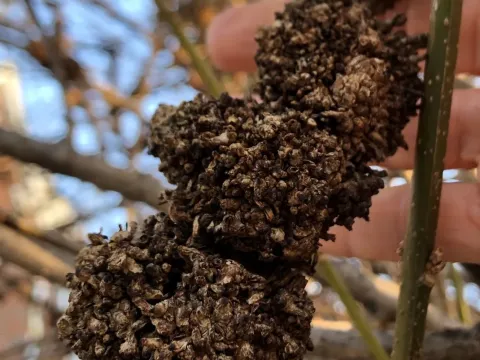
The hallmark sign of the infection is the formation of galls, or "knots," which appear as wart-like outgrowths on twigs, branches, trunks, and sometimes leaf petioles.
Initial symptoms manifest as small, light-colored, soft swellings that gradually darken, harden, and develop a rough, fissured surface over time as they mature.
Younger knots are often green or yellowish, while older ones become dark brown to black and woody in texture, persisting on the tree for several seasons.
Affected leaves may show chlorotic spots and premature senescence, as the localized infection drains the plant's resources and disrupts the normal physiological processes.
In severe infections, the abundance of knots can cause the bark to crack open, making the tree susceptible to secondary decay organisms and further environmental stress.
Effective management begins with strict orchard sanitation, which includes the pruning and immediate burning of all infected branches to reduce the bacterial inoculum.
Sterilization of pruning tools using alcohol or chlorine-based solutions after each tree is processed is critical to preventing the mechanical spread of the bacteria.
Scheduling pruning during dry weather is essential, as wet conditions significantly increase the risk of the pathogen entering fresh cuts and wounds.
Regular applications of copper-based bactericides after the harvest season and following any pruning activity are recommended to protect the trees from infection.
Implementing integrated pest management practices, including the selection of resistant cultivars, is the most sustainable approach for long-term control of this disease.