
АС
21 April 2014
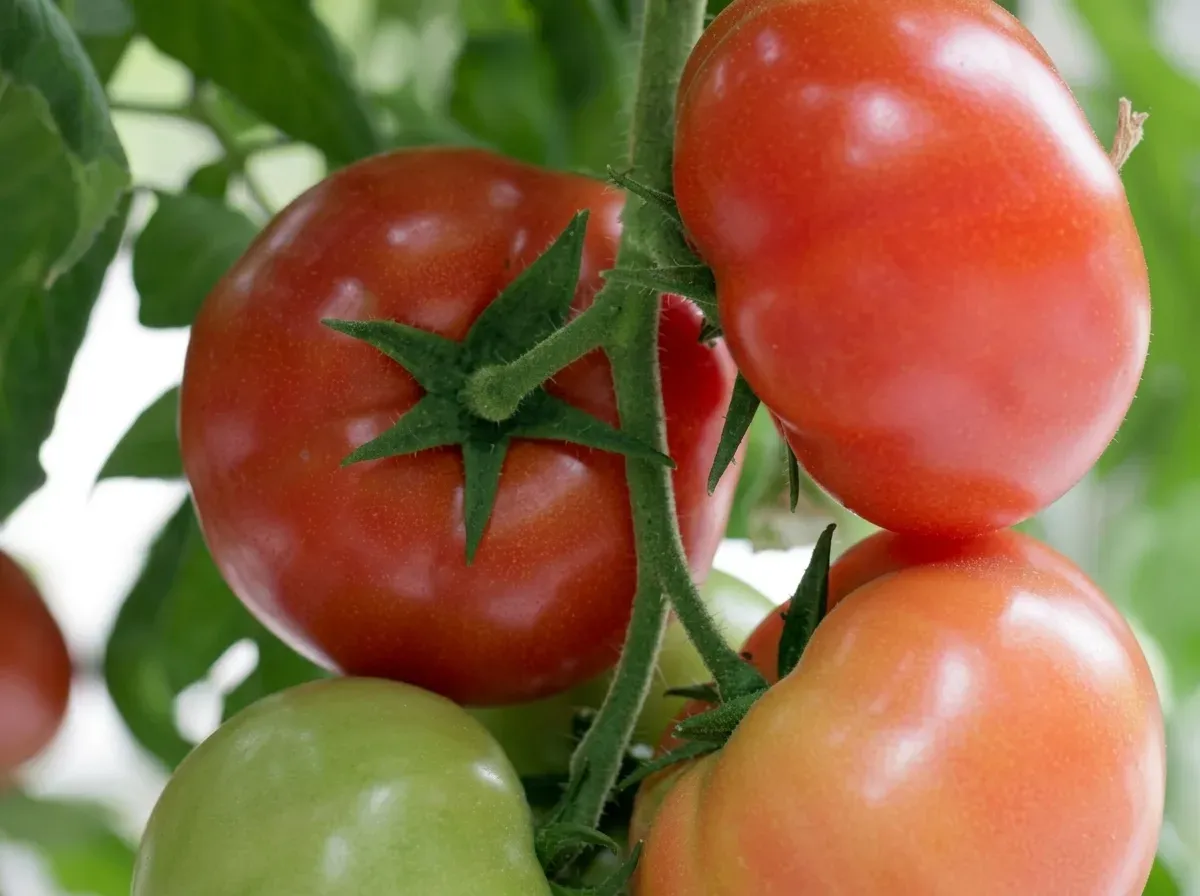
идеальный вариант для невысоких теплиц - укороченные междоузлия


Tomato
GavrishAvailable at: АгроОпт
Aggregator catalog: prices are collected automatically from store websites, normalized by AI and converted at the current exchange rate. Before ordering, confirm the price and availability on the store's website. This block is not indexed by search engines — the data is loaded after the page opens.
| Product Type | |
|---|---|
| Plant Type | |
|
Fruit Weight
Fruit Weight
Tomato fruits are classified by weight as: very small — less than 20 grams; small — 20 — 50 grams; medium — 50 — 100 grams; large — 100 — 200 grams; very large — more than 200 grams. |
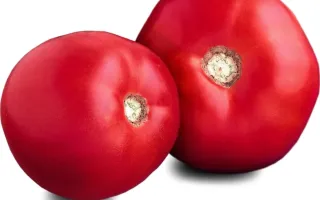
150 - 200 grams |
|
Fruit Color
Fruit Color
The fruit color of tomato varieties is influenced by the combination of skin and flesh color. Some varieties have transparent skin, others — yellow. When combined differently, the fruits can acquire quite diverse colors. The fruit color is affected by pigments (lycopene) and thei... |
|
| Catalog | Catalog → Tomato |
| Manufacturer | Gavrish |
| Legal data |
Show · 6
|
| Country | Russia |
Tomato seeds · similar varieties


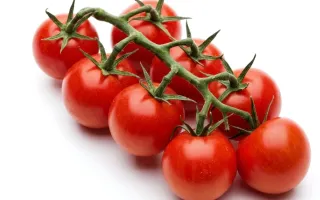


Often considered together with this variety



Products you’ve viewed on this site
Reviews · 2