
Errors When Growing Hydrangea Macrophylla and How to Avoid Them
Hydrangea macrophylla – one of the most popular decorative plants in Ukrainian gardens due to its lush blooms and low maintenance. However, even experienced gardeners make mistakes that can harm the plant. In this article, we will discuss the main…
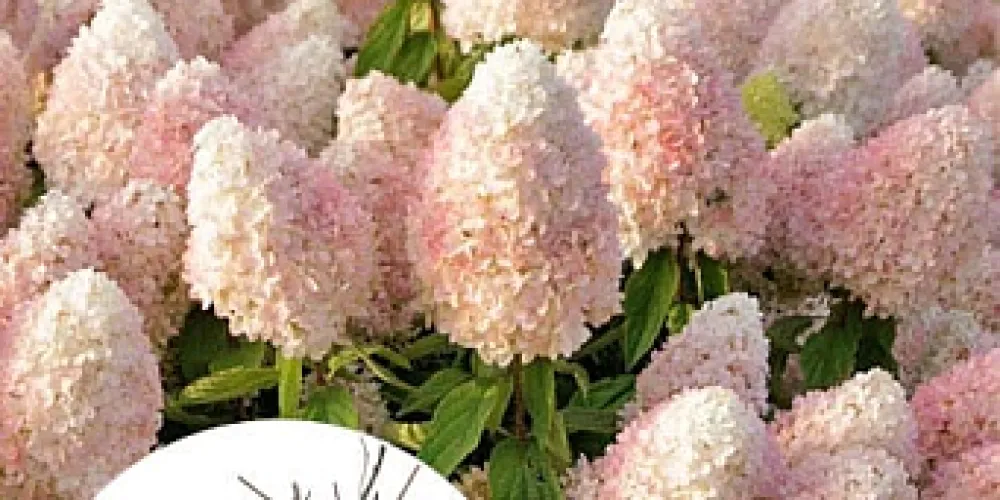
Hydrangea macrophylla – one of the most popular decorative plants in Ukrainian gardens due to its lush blooms and low maintenance. However, even experienced gardeners make mistakes that can harm the plant. In this article, we will discuss the main errors when growing hydrangea macrophylla and provide recommendations on how to avoid them.
Incorrect Choice of Planting Location
Many gardeners plant hydrangea in open sunny spots, which in the hot Ukrainian summer can cause leaf scorch. Hydrangea macrophylla prefers partial shade or dappled light. Direct sunlight is acceptable only in the morning or evening. Also, avoid low-lying areas where water stagnates – this causes root rot. Choose a spot with morning sun and shade in the middle of the day. Ensure the soil is well-drained. For purchasing quality saplings, contact reputable suppliers, such as Hydrangea macrophylla at Agromarket, where a wide variety of varieties is available.
Errors in Watering
Hydrangea loves moisture, but overwatering is a common mistake. Wet soil should not turn into a swamp, otherwise the roots will start to rot. At the same time, lack of water during dry periods leads to wilting blooms. Water the plant 1–2 times per week, depending on weather conditions. Use settled water at room temperature. Mulching with bark or peat helps retain moisture and protect roots.
Incorrect Pruning
Pruning is a key stage in caring for hydrangea macrophylla, but many gardeners either ignore it or cut too much. Without pruning, the bush becomes dense, and flowering becomes sparse. Over-pruning can weaken the plant. Conduct it early in spring, before sap flow begins. Remove old and weak stems, leaving 5–7 strong shoots with 3–5 buds on each. This encourages lush flowering.
Ignoring Soil Acidity
Hydrangea prefers acidic or slightly acidic soils (pH 5.0–6.0). In alkaline soils, common in some regions of Ukraine, the plant poorly absorbs nutrients, leading to yellowing leaves. Before planting, test the soil pH using test strips. To acidify, use peat, sulfur, or specialized fertilizers. Regularly fertilize hydrangea with complex fertilizers for acid-loving plants.
Incorrect Winter Protection
Although hydrangea macrophylla is cold-resistant, young bushes may suffer in harsh Ukrainian winters, especially in northern regions. Lack of cover or removing it too early leads to freezing of shoots. In autumn, mulch the base of the plant with a 10–15 cm layer of peat or sawdust. Cover young bushes with agrofabric or pine needles. Gradually remove the cover once the threat of frost has passed.
Editorial team agronom.info
Materials are prepared by the portal's agronomists and editors. We use only trusted sources: Ukrainian agricultural universities, variety registries, open scientific publications.
Related articles
Not yet comments. Be the first!
Comments · 0