

Description
Mode of action
Vitamin complexes for plants act as essential cofactors in plant metabolic processes. These organic substances significantly enhance the efficiency of enzymatic reactions, which in turn accelerates overall plant growth and development.
While they are not a substitute for fertilizers, vitamins play a vital role in stimulating physiological functions. They help regulate hormonal activity, leading to better root development and vegetative growth.
By optimizing the efficiency of the photosynthetic apparatus, vitamin complexes help plants convert solar energy more effectively. This results in a faster accumulation of biomass and healthier foliage.
Vitamins also contribute to the integrity of cell membranes and help protect plants from oxidative stress. This protective function makes them indispensable for crops grown in challenging environments.
Finally, these complexes facilitate better nutrient uptake from the soil. When used alongside fertilizers, they ensure that the plant maximizes the intake of nitrogen, phosphorus, and potassium.
What it targets
The primary use of vitamin complexes is to recover plants from transplant shock or mechanical damage. They provide the necessary energy for quick regrowth of root systems.
These supplements are effectively used to stimulate seed germination. They help break dormancy in older seeds and ensure a higher percentage of healthy, vigorous seedlings.
Vitamin complexes are crucial in treating nutritional deficiencies that manifest as chlorosis or stunted growth. They help correct metabolic disorders that often lead to yellowing leaves.
During the reproductive phase, vitamins are used to improve flower set and reduce fruit drop. This leads to higher yields and better consistency in harvest quality.
Additionally, they act as an immune booster against various biotic and abiotic stressors. They help the plant mount a faster defensive response against fungal or bacterial pathogens.
Rates and timing
For seed treatment, soak seeds in a vitamin solution for several hours prior to planting. This ensures that the embryo receives a boost of energy right at the start of its development.
Foliar application should be done using a fine mist to ensure total coverage of the leaf surface. It is best to apply these treatments during the early morning hours when the stomata are open.
Soil drenching is recommended for established plants to improve rhizosphere health. Maintain a schedule of applications every two weeks to support the plant through its critical growth stages.
Always follow the label instructions regarding dosage. Because vitamin preparations are concentrated, exceeding the recommended rates can lead to negative physiological effects.
- Check water pH for optimal stability of the vitamins.
- Use the solution immediately after mixing.
- Apply only in non-extreme temperatures.
Restrictions
One major limitation is that vitamin complexes cannot serve as a complete fertilizer. They provide no significant nitrogen, phosphorus, or potassium, which are required for physical growth.
Over-application can create a dependency where the plant produces fewer natural vitamins of its own. This may lead to weakened resilience in the long run.
Compatibility issues exist with strong oxidizing agents and highly alkaline products. Mixing them improperly can deactivate the vitamin molecules, rendering them useless.
UV light is a major enemy of vitamin stability. Never leave prepared solutions exposed to direct sunlight, as the active compounds will degrade very quickly.
Lastly, shelf life is very limited once the concentrate is diluted. Never attempt to store diluted solutions, as they become a breeding ground for microorganisms.
Content graph
Connections · Vitamin complex
Most often together:
Marketplace
Products · 10


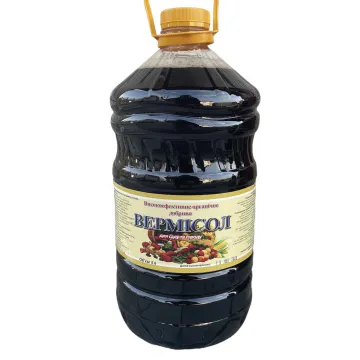


Liquid Complex Fertilizer «ALLYUR ARSO (ALLYUR ARSO)
AGRO-YUA TRADING, LLC
Fertilizers
0
0
·
45
No offers
—
Details