
Weak monsoon start clouds India's Kharif outlook
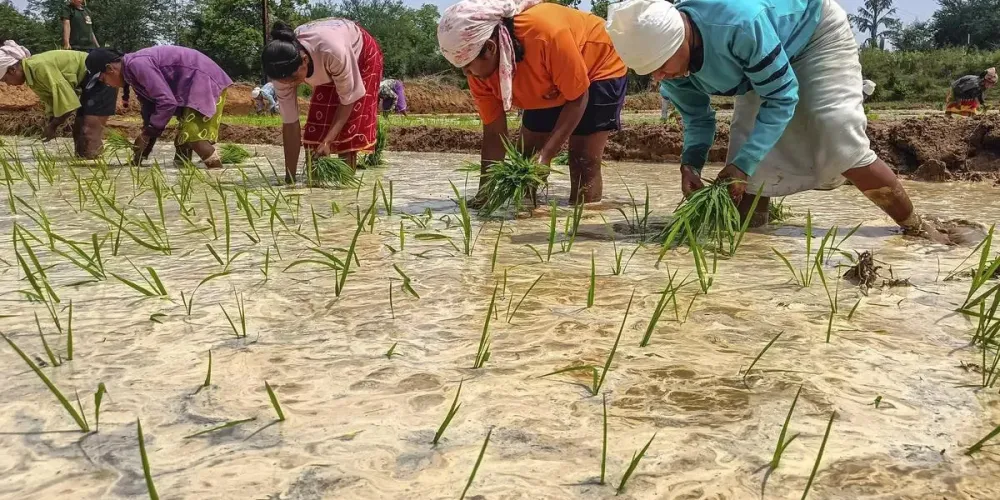
A weak opening to India's southwest monsoon is clouding the outlook for the Kharif season, the summer cropping cycle that shapes both farm incomes and food supply across the country. The Hindu BusinessLine, citing a report from 360 ONE Capital Research, said the rainfall shortfall is already affecting agricultural activity and sowing progress. Reservoirs are still providing some irrigation support, but the report warns that the next phase of rainfall distribution will be critical.
As of June 17, cumulative rainfall stood at 46.2 millimetres against a normal level of 74.3 millimetres, leaving the country with a 38% deficit. For the week ending June 17, rainfall was 48% below the long-period average. In an agricultural economy where crop choice, planting pace and input decisions are closely tied to the monsoon, that kind of shortfall early in the season quickly becomes more than a weather statistic.
The weakness is broad-based. The report says 22 of India's 36 meteorological subdivisions have received deficient rainfall so far. At district level, nearly 66% of the country has experienced scanty or deficient rain. Central India has been especially hard hit, with a rainfall deficit of 62%, while eastern India is 44% below normal. Those regional gaps matter because they affect major crop belts and directly influence rural spending and farm output expectations.
Sowing data is already reflecting the pressure. As of June 12, total Kharif sowing was 84.6 lakh hectares, down 3.9% from the same point last year. Pulses and cotton have seen the steepest declines, with planted area down 43.2% and 28% respectively. Rice has so far been more resilient, showing a 28.4% year-on-year increase, although the report notes that this gain comes off a low base. In other words, farmers have already started adjusting to weather risk, but the season's full crop picture is not settled yet.
Reservoir storage remains an important cushion. On June 11, live storage was equal to 28.3% of total capacity, about 16% above the 10-year average, which could help irrigation if rainfall stays uneven in the near term. Even so, the decisive period will be July and August, when most seasonal precipitation normally arrives. If rain recovers, crop prospects could still stabilize. If the deficit persists, the pressure on food prices, rural economic activity and agricultural output is likely to intensify.
Not yet comments. Be the first!
Comments · 0