
China again rejects Indian rice consignments over GMO claims
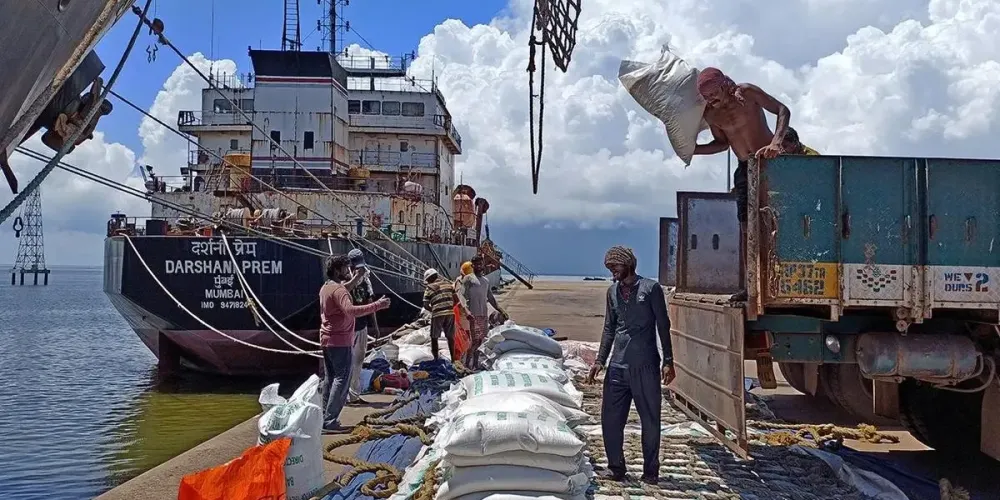
China is again rejecting consignments of Indian non-basmati rice after alleging the presence of genetically modified organisms. According to The Hindu BusinessLine, Chinese authorities turned away 4 to 5 consignments last week alone, and about 70 consignments have been rejected so far. At that scale, the issue is no longer a routine sanitary dispute; it has become a material trade risk for rice exporters and for the broader market relationship between two major Asian players.
Indian authorities insist that no GM rice is grown commercially in the country. After the earlier March rejections, India's Ministry of Environment and Forests issued an office memorandum on April 30 stating that the Genetic Engineering Appraisal Committee has not approved any GM rice in India. Before that, on April 23, Indian Council of Agricultural Research assistant director-general S K Pradhan wrote to APEDA that India does not cultivate GM rice and that the agriculture ministry has not recommended any GM rice for commercial cultivation.
Despite those clarifications, the dispute has widened. Sources told the paper that Chinese authorities suspended the import licences of three Indian firms in March over alleged GMO presence in shipments. What makes the dispute more sensitive is that the consignments had already been inspected and certified by the Indian office of China Certification & Inspection Group, a Chinese state-owned company. Exporters therefore believed the formal compliance process had been satisfied before the cargoes were dispatched.
Commercial effects are already visible. Sources said at least 200 containers have been voluntarily held back from shipment while traders assess the risk of further rejections. One trade source suggested Beijing may be trying to undermine India's competitiveness in export markets, while another said China could be using the issue to gain leverage ahead of trade talks. Indian officials quoted by the paper also warned of reputational damage for the country's food exports if the allegations continue to circulate internationally.
Officials from India discussed the matter with China's General Administration of Customs last week, but according to the report, Chinese officials did not explain the methodology used to reject the consignments. One Indian official said there was a slim possibility that rice from another origin had been mixed in at some port or wrongly branded as Indian, but he described such scenarios as unlikely. That leaves exporters facing not just blocked cargoes but a deeper problem of unpredictable market access.
For the agricultural trade, the case matters on two levels. First, it affects a sensitive export segment and could reshape freight, insurance and pricing decisions for rice traders. Second, it shows how quickly questions of biosafety and certification can become instruments of commercial pressure. If the dispute persists, the cost will not be limited to exporters alone; farmers linked to Chinese demand and to export price formation may also feel the effect through slower movement and weaker confidence in the trade channel.
Not yet comments. Be the first!
Comments · 0