
UK dairy farms warn that milk prices have fallen below cost
British dairy farmers are warning that current milk prices have slipped back below the cost of production and are putting smaller family farms under severe pressure. The BBC report says farmers have been receiving only 32 to 35 pence per litre since October, while production costs can reach roughly 42 to 49 pence per litre. On average, that leaves farms losing about 10 pence on every litre they sell.
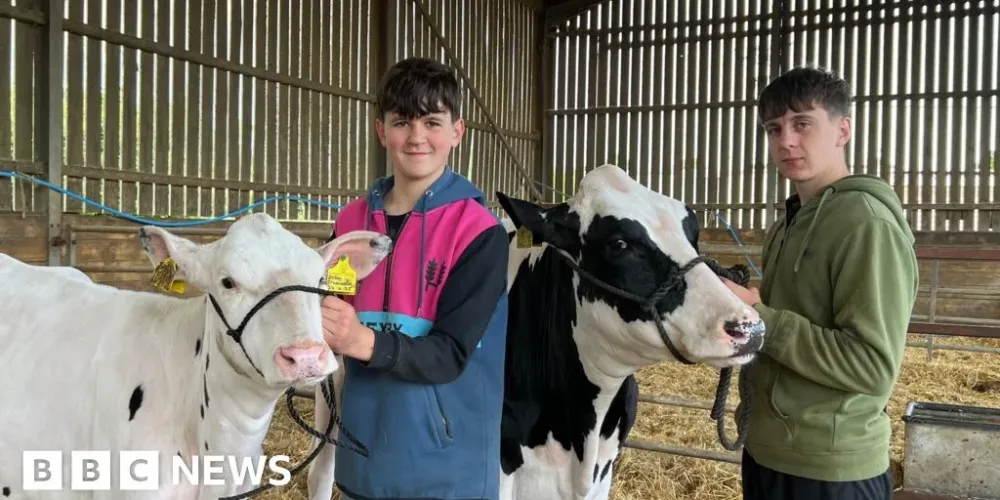
One family highlighted in the report is the Yates family south of Frome in Somerset. Seth and Oscar Yates want to work in farming after college and already care for calves they plan to show at the Royal Bath & West Show. Their father, Ben Yates, says the gap between what processors pay and what milk costs to produce is making it nearly impossible to build a future in dairying. For families hoping to pass farms to the next generation, that turns a price slump into a succession crisis.
Industry data backs up that concern. The Agriculture and Horticulture Development Board says the number of UK dairy farms has fallen to a record low of 7,010, down from 8,310 in 2020. Shops are not expected to run short of milk because fewer, larger farms are producing slightly more, and AHDB says total milk production has increased by about 4 percent. But that stability at national level masks the growing fragility of small and medium-sized family operations.
The current squeeze follows a sharp cycle in global dairy markets. After Russia's full-scale invasion of Ukraine in 2022, world supply tightened and British farmers were paid as much as 55 pence per litre, about 10 pence above production cost. By 2023, global dairy output had risen and prices had fallen back to around 45 pence per litre, close to break-even for many farms. Then a global milk glut in late 2025 pushed prices down again to today's 32 to 35 pence.
Costs, meanwhile, kept climbing. The report says red diesel used by farmers doubled in price after the United States began bombing Iran, and other expenses also rose quickly. Tom Kimber, whose family has grazed cattle for 350 years near Wincanton and runs about 200 cows, argues that dairy farming is unlike a normal business: cows must be milked every day whether it is profitable or not, and the product cannot simply be stored until prices improve. That leaves farmers with very little room to wait out a downturn.
The Kimber family softens that volatility with a farm shop that sells its own beef, pork, cheese and raw milk direct to the public. Even so, winter brings higher feed bills and the need for extra labour under cover, while margins remain thin. For the wider sector, the message is clear: larger farms may keep national milk supply flowing, but unless pricing improves, the economic case for young people entering family dairying will continue to weaken.
Not yet comments. Be the first!
Comments · 0