
Beekeepers call for biopesticide known to target varroa mite to come to Australia
Australian beekeepers want faster access to Norroa, a biopesticide that makes varroa mites infertile, as resistance to existing treatments spreads across several states.
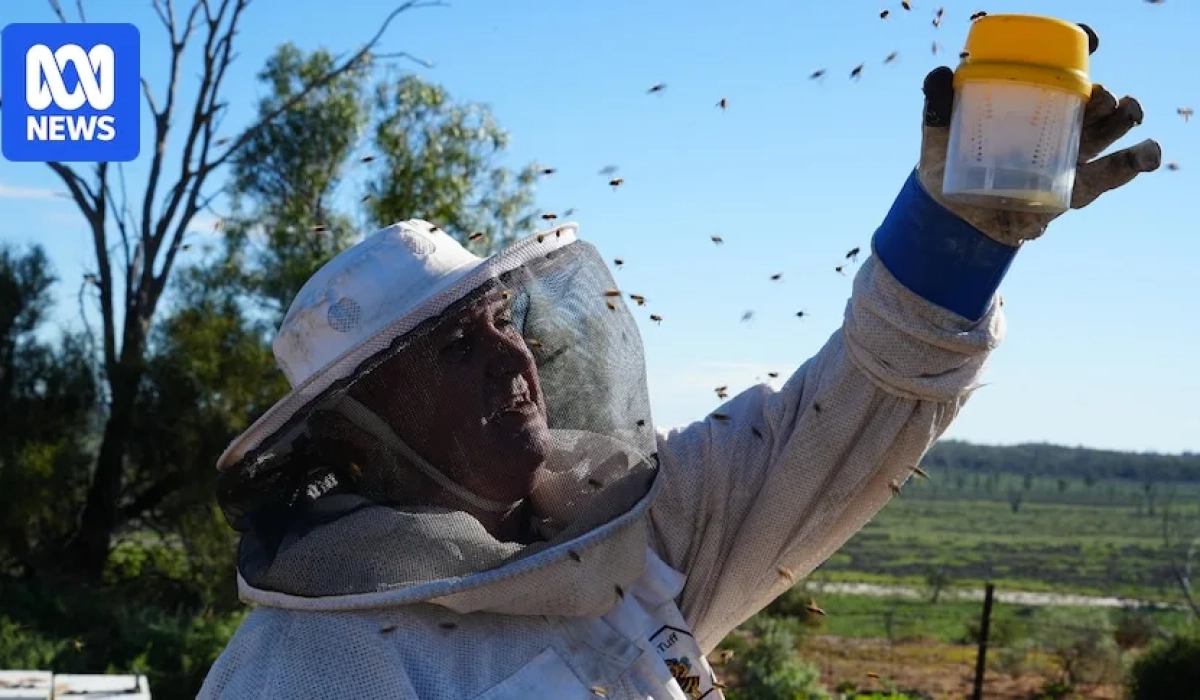
Australian beekeepers are calling for faster access to a new biopesticide against varroa destructor, a parasite that is becoming harder to control with existing treatments. ABC reports that industry concern is rising as resistance to currently available options spreads, pushing producers to look urgently for additional tools.
South Australian beekeeper Ian Cass said the tiny red mite he sees in his hives is the threat that worries him most. According to Agriculture Victoria, treatment resistance has appeared in Victoria, Queensland, New South Wales and South Australia. The report also says that since the pest arrived in Australia in 2022, losses of wild honey bee populations in some parts of the country have been estimated at 90 percent.
The new treatment was developed by a research team that includes Victoria University of Wellington entomologist Phil Lester. He said the product uses double-stranded RNA to silence genes tied to mite reproduction. Rather than killing the parasite directly, it stops the mite from laying eggs in the hive and therefore slows population growth.
Lester said there is no documented resistance to this approach and that it could become an important part of Australia's varroa-control toolkit. He also said the treatment is safe for bees and helps them live longer than they would in unmanaged hives where varroa parasitism eventually kills them. The biopesticide is delivered in a sugar wash solution that bees then spread through the hive.
The research was funded in part by GreenLight Biosciences in the United States, which commercially produces the treatment under the name Norroa. ABC notes, however, that the product could still be up to two years away from becoming available in Australia. That is why beekeepers are asking the government to invest in the new option now while also exploring other responses to the pest.