
Study finds wastewater irrigation can concentrate drugs in crop leaves
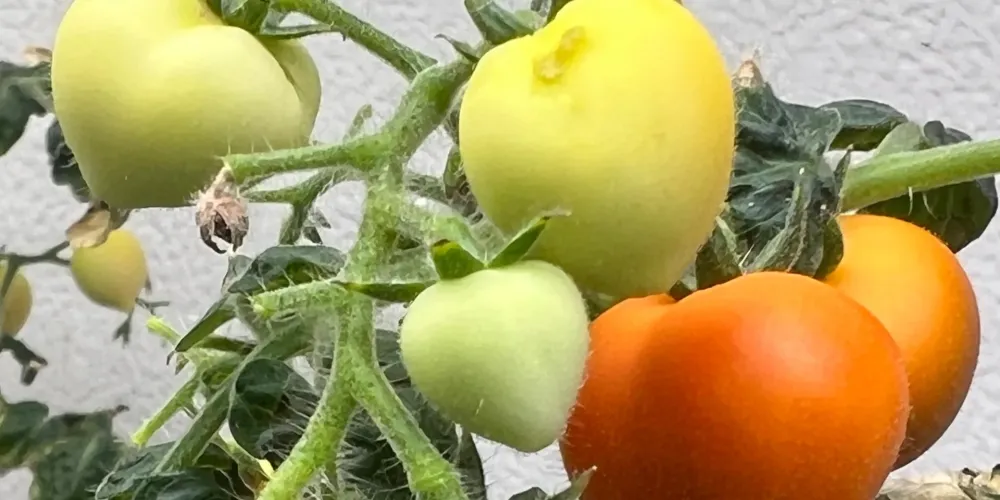
Researchers at Johns Hopkins University examined how tomatoes, carrots and lettuce handle trace pharmaceutical compounds when irrigated with treated wastewater. The study, published in Environmental Science and Technology, found that the compounds and their breakdown products accumulate mainly in leaves. Tomato leaves held more than 200 times the concentration measured in fruits, while carrot leaves contained about seven times the levels found in edible roots.
In the experiment, plants were grown under controlled conditions and supplied for as long as 45 days with nutrient solution containing one of four psychoactive pharmaceuticals commonly detected in treated wastewater: carbamazepine, lamotrigine, amitriptyline and fluoxetine. Researchers then sampled different plant tissues to track uptake, transformation and distribution inside the plant. The authors stressed that the results should not be read as a direct health warning, but as a clearer picture of how crops process contaminants when water is reused in agriculture.
The findings matter because treated wastewater is becoming a more important irrigation source in regions facing drought and pressure on freshwater supplies. Lead author Daniella Sanchez said farmers and regulators need a more detailed understanding of how crop species metabolise compounds present in reused water. The work also showed that lamotrigine built up at relatively low levels across plant tissues, while carbamazepine was more likely to appear in edible plant parts as well. That means future risk assessment for wastewater reuse will depend not only on treatment quality, but also on crop type, the specific compound involved and which plant tissue enters the food chain.
Not yet comments. Be the first!
Comments