
Saudi Aramco warns Middle East war threatens oil markets, disrupts agriculture-linked supply chains
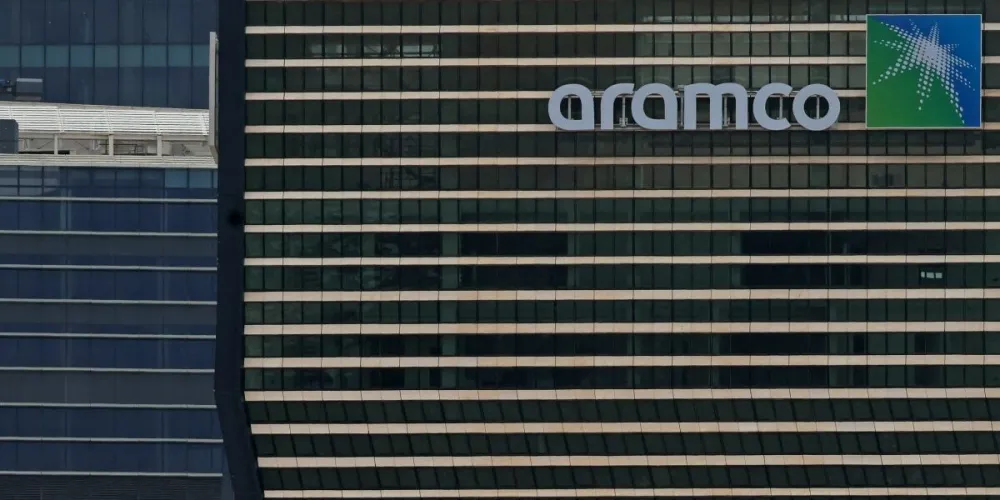
Amin H. Nasser, chief executive of Saudi Aramco, warned that the ongoing Middle East war could have catastrophic and unprecedented consequences for global oil markets and called for reopening the Strait of Hormuz. He noted the Strait normally carries about 20% of global oil supplies and said it has been closed by the ongoing conflict.
Nasser said the disruption to shipping and energy flows has triggered a severe chain reaction across multiple sectors, explicitly listing shipping, insurance, aviation, agriculture, automotive and other industries. He warned the longer the disruption continues, the larger the consequences for global oil markets and the world economy.
Oil prices showed sharp volatility during the crisis, rising about 30% on one day before retreating after U.S. President Donald Trump said the war may end soon. Nasser described the current situation as the biggest crisis the region’s oil and gas industry has faced.
Aramco reported a 12.1% decline in net income for 2025 versus 2024, with 2025 net income at $93.38 billion down from $106.24 billion. Adjusted net income fell to $104.65 billion in 2025 from $110.29 billion in 2024, a 5.1% decline. The company also announced a first-ever share buyback program of up to $3 billion over 18 months.
The report notes that OPEC+ increased production in the prior year, contributing to price erosion before the conflict destabilized supplies. Iran has launched retaliatory drone-and-missile attacks on U.S.-allied Gulf neighbours following U.S.-Israeli strikes, and has fired at energy installations across the Gulf, including strikes on Aramco’s Ras Tanura complex that halted some operations.
Facilities across the region reported direct impacts: Bahrain’s Al Ma’ameer oil facility was hit, causing a fire and damage and leading Bapco to declare force majeure. Energy producers in Qatar and Kuwait also declared force majeure, signaling potential contract stoppages and further pressure on supply chains.
For agriculture, Nasser’s warning underscores risks to energy-dependent parts of the food system: fuel and shipping disruptions can affect fertilizer and pesticide supply, input transport, irrigation fuel availability, and export logistics for crops and foodstuffs. Continued instability in Gulf energy infrastructure raises the potential for prolonged higher energy prices and logistical bottlenecks that would ripple through farming and food supply chains.
Not yet comments. Be the first!
Comments · 0