
Chittoor agrivoltaic project lets farmers grow crops and generate solar power
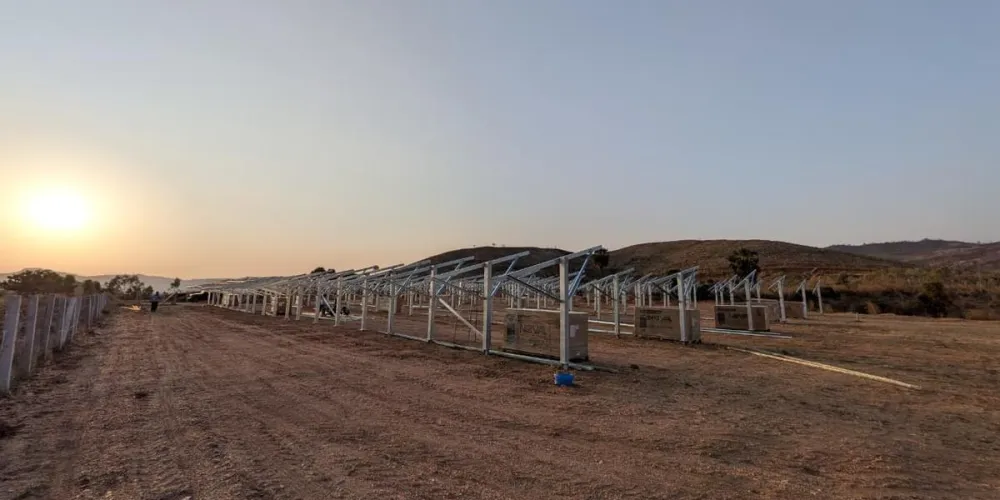
A new agrivoltaic project in India’s Chittoor district is being presented as a practical example of how farmers can produce crops and electricity on the same land. BusinessLine reported that the installation has been deployed at Thirumala Raju Puram under Project Chittoor, an initiative launched by the Atria Group as a broader rural development model.
The central concept is to place solar panels above active farmland rather than replacing cultivation with a power plant. In this field-integrated agrivoltaic system, farming continues underneath the elevated panels while the same plot also produces electricity. The partial shading created by the panels is intended to reduce heat stress and lower evaporation for certain crops during hotter months, improving resilience at field level.
Power generated by the installation is expected to run shared agricultural infrastructure within local farming clusters. The article specifically lists pumps, borewells, cold storage units, dryers, packhouses and other processing facilities. That matters because electricity costs often weigh heavily on irrigation, storage and post-harvest handling, so on-farm generation could reduce operating expenses and dependence on grid supply.
Atria Group chairman Sunder Raju said any surplus energy generated at block level would become an additional source of revenue for farmers. In that sense, the project is being framed not only as a technical intervention but also as an economic one, with the potential to diversify farm income while supporting core production and handling operations.
According to the report, each agrivoltaic block covers about 1 to 1.5 acres and carries installed solar capacity of roughly 300 kilowatts, while agricultural activity is supposed to continue without interruption. Although the source article was brief, it highlighted an important direction for farm infrastructure: agrivoltaics is moving beyond pilot rhetoric toward a production model that links solar power, irrigation and crop growing within a single operating system.
Not yet comments. Be the first!
Comments · 0