
Rising fuel and fertiliser costs squeeze Mexico's food supply chain
Mexico is facing sharper food-cost pressure as higher fuel, fertiliser and transport costs hit producers, traders and low-income households at the same time.
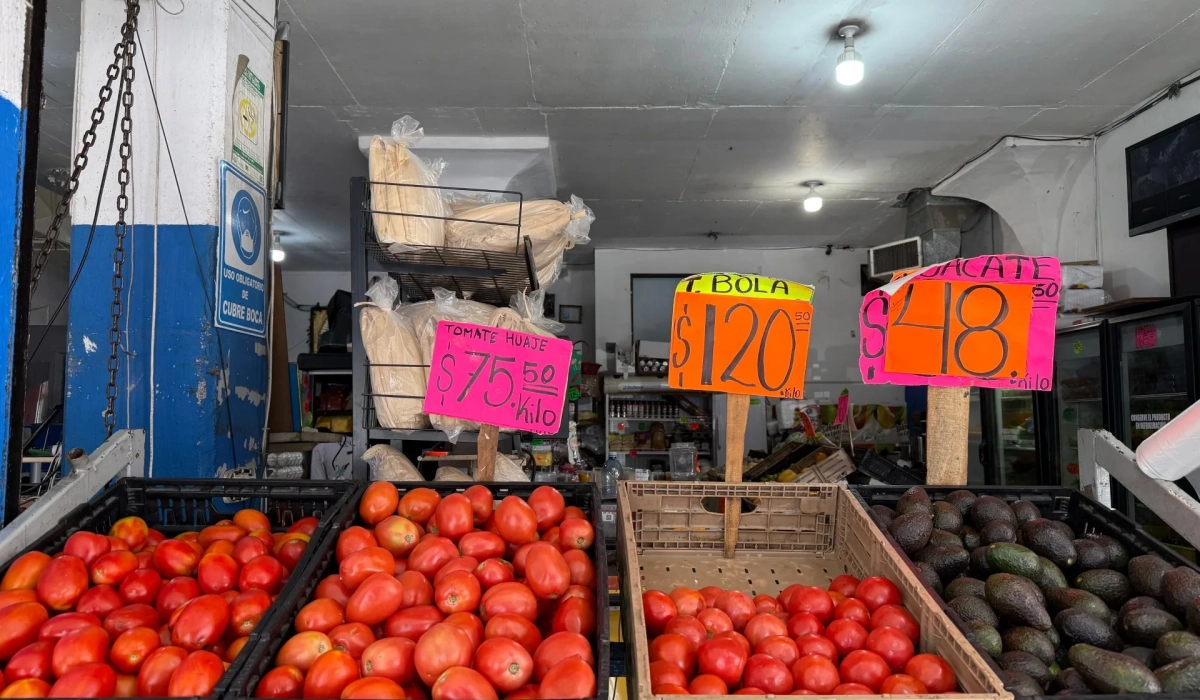
Rising global fuel and fertiliser costs are putting heavier pressure on Mexico's food system. Reporting from the Mercado de Abastos wholesale market in Nuevo Leon, Al Jazeera says staples such as tomatoes, potatoes, beef and chillies have all posted steep price increases in recent weeks. Shoppers are cutting volumes, while vendors are reducing margins to avoid losing business.
International factors are amplifying the shock. The report links higher fuel and fertiliser costs to shipping disruptions in the Strait of Hormuz. Elvira Pasillas, a professor at ITESO, said low-income households in Mexico spend nearly 70 percent of their income on food. That means food inflation is not just a macroeconomic indicator but an immediate welfare problem for the most vulnerable consumers.
According to INEGI, Mexico's national statistics agency, 12-month inflation stood at 4.45 percent in April. Pasillas said the cost of the basic urban food basket rose 8.1 percent in March, clearly outpacing headline inflation. The pressure is landing in an already fragile economy: informal labour reached 54.8 percent in March, while first-quarter GDP fell by 0.8 percent.
The meat supply chain is also under strain. Fabian Dominguez, manager of the El Bodegon meat shop, said pork and beef prices have been climbing since the start of the year. The Mexican Meat Council reported a 16.5 percent increase in beef prices in January. The article links the rise to the end of tariff exemptions on imports from Brazil and Argentina, a screwworm outbreak, and higher logistics costs caused by fuel inflation, roadblocks and extortion on highways.
Vegetables are showing the same pattern. Shop owner Ilda Castro said tomato prices jumped from 20 pesos to as much as 75 pesos per kilogram. Production costs are still rising because Mexico imports 70 percent of its fertiliser needs. Data cited from the Agricultural Market Consulting Group show that from January to March, urea prices rose 47 percent, diammonium phosphate 57 percent and mono ammonium phosphate 54 percent. Even the government's PACIC scheme, which aims to cap a basket of 24 essentials at about 910 pesos, is criticised by small merchants for missing the consumers who rely on traditional markets rather than large retail chains.