
RBI widens collateral-free access for agricultural loans up to ₹2 lakh
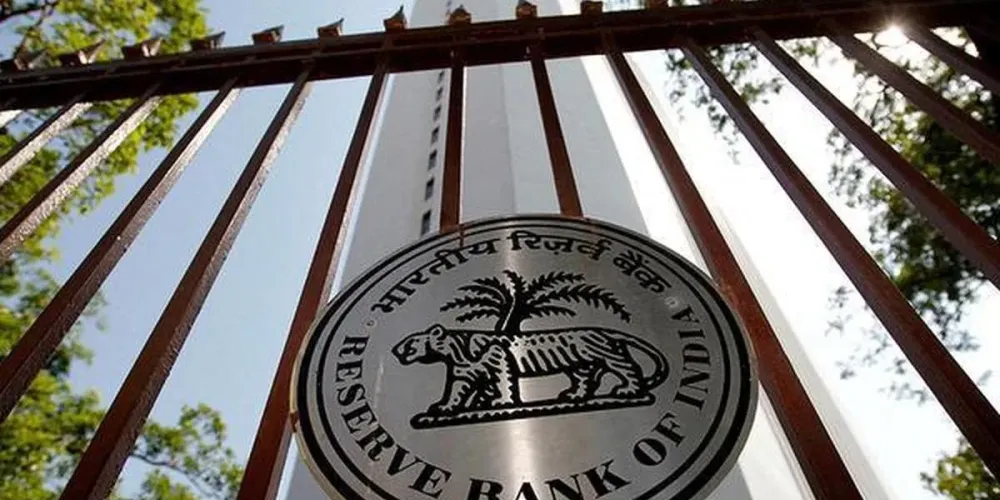
The Reserve Bank of India has updated its Kisan Credit Card directions and told banks to waive collateral security and margin requirements for agricultural loans, including allied-activity borrowing, up to ₹2 lakh per borrower. At the same time, the central bank said lenders must continue monitoring the end-use of all agricultural advances.
The Hindu BusinessLine reported that a voluntary pledge of gold or silver within the collateral-free threshold will not be treated as a breach of the collateral-free lending rule. However, banks must obtain and retain an explicit declaration from the borrower when that happens.
RBI also clarified that the collateral-free limit applies only to secondary collateral and does not remove the role of primary security or the assets financed by the loan itself. For loans above ₹2 lakh, banks will be free to set collateral security and margin requirements according to their own credit policy.
For KCC loans backed by hypothecation of crops or stock and tied to recovery arrangements, banks may waive collateral up to ₹3 lakh. The central bank also said KCC facilities can be divided into sub-limits because short-term crop cultivation credit, allied-activity credit and long-term agricultural loans often carry different interest rates and repayment schedules.
RBI further set out how short-term limits should be reviewed. From the second crop season onward, the maximum permissible limit is to be worked out on a notional basis by adding 10 per cent to the previous season’s limit. Marginal farmers will also remain eligible for a Flexi KCC of ₹10,000 to ₹50,000 without linking the limit directly to land value, based instead on crops grown, storage needs after harvest, farm expenses, household consumption and investment needs in agriculture and allied activities.
Not yet comments. Be the first!
Comments · 0