
Indonesia moves to cut food imports by lifting domestic farm output
Indonesia says it is reducing food-import dependence by raising domestic agricultural production, productivity and land use to strengthen food security.
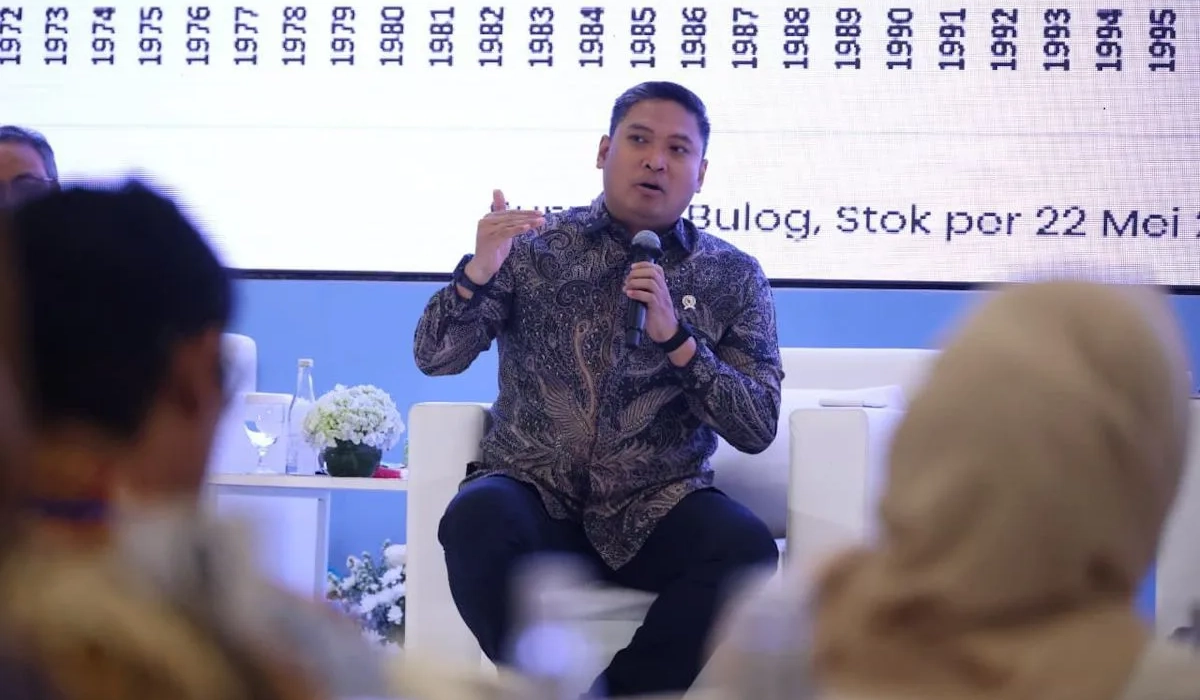
Indonesia is pushing a strategy of lower food-import dependence by raising domestic agricultural production, improving productivity and optimising land use, according to Deputy Agriculture Minister Sudaryono. He framed the policy not only as a food-security measure but also as a way to keep spending that once flowed abroad through imports circulating inside the national economy and among local farmers.
Sudaryono made the argument at the National Conference on Regional Economic Development in Jakarta, where he said the same money that had previously enriched other countries through imports should now strengthen Indonesia’s own rural economy. In that formulation, agriculture is being positioned not merely as a source of food supply but as a core engine of local economic activity and employment in the countryside.
The article gives clear numbers for the scale of Indonesia’s earlier reliance on imported rice. Rice imports were around 3 million tonnes in 2023 and increased to around 4 million tonnes in 2024. With domestic production rising, the government then decided to shut off rice imports completely throughout 2025, presenting the move as part of a broader drive to reinforce national food self-sufficiency and food security.
The Agriculture Ministry said rice reserves managed by the state logistics agency Bulog had reached 5.3 million tonnes by the third week of May 2026, which it described as the highest stock level in history. Sudaryono linked that reserve build-up to wider gains in national food production and to lower imports of several strategic commodities, arguing that agriculture has now become one of the main drivers of regional economic growth.
He also stressed the multiplier effect of the policy in rural communities. In his view, higher domestic production and lower imports increase economic circulation in villages, create new jobs, open additional business opportunities and raise overall economic activity. That makes the import-reduction strategy important not only for the balance of food supply but also for incomes, labour absorption and the broader resilience of Indonesia’s rural economy.