
Wild blueberry farms across Maine are losing yield as climate extremes intensify
Drought, heat and erratic rainfall are increasing pressure on Maine's wild blueberry growers and forcing costly spending on irrigation and mulch.
Wild blueberry growers in Maine are facing deeper losses as weather swings become more extreme. At Crystal Spring Farm near Brunswick, last season’s fields turned red too early after severe drought stressed the plants and caused berries to shrivel before ripening properly. Farmer Seth Kroeck said the farm harvested only about 7% of its expected crop, leaving him with a season that involved a lot of work and very little return.
The stakes are high for Maine agriculture. According to the Wild Blueberry Commission of Maine, the state harvested nearly 88 million pounds of wild blueberries in 2023, generating $361 million in revenue. But recent years have brought repeated shocks: severe drought in 2020, 2022 and 2025, along with one of the wettest years on record in 2023. Excess moisture encourages weeds and disease, while drought reduces flowering and shrinks fruit, making both sides of the weather cycle costly for growers.
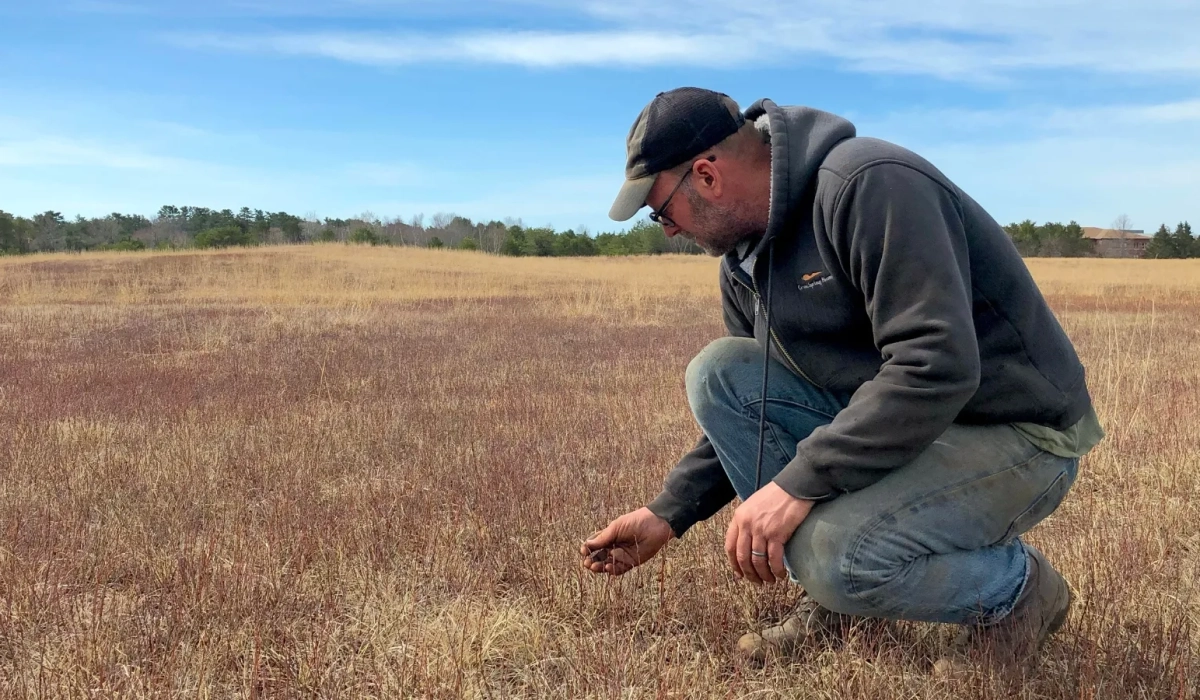
Researchers say Maine’s blueberry barrens are part of a climate hotspot linked in part to rapid warming in the Gulf of Maine. They describe 2025 as a clear case of climate whiplash: a wet spring was followed by hot, dry conditions that intensified in August and continued into 2026. The Maine Wild Blueberry Commission estimated industry losses from 2025 at about $30 million, while many farmers reported yield declines of one-third to one-half.
Adaptation tools exist, but they are expensive. Kroeck has brought in more than 100,000 square feet of mulch, yet that still covers less than half of his 72 acres of blueberries. Even with help from the Natural Resources Conservation Service, mulch costs him roughly $5,000 to $10,000 a year. He also invested $90,000 in irrigation equipment and a new well, but the system will protect only about one-quarter of his fields.
University of Maine researchers say mulch helps slow evaporation, reduce soil temperatures and limit weeds, while irrigation does more to blunt drought impacts. Still, wild blueberries grow on sandy and gravelly soils that are difficult places to drill wells or install piping. Many small growers therefore remain exposed when drought overlaps with the growing season, and even partial irrigation requires significant investment in water access and field infrastructure.
Funding trends are moving in the wrong direction for that transition. The report notes that NRCS has lost funding and about a quarter of its staffing, more than 2,000 people, after USDA budget cuts. Maine also lost $15.5 million intended for a pilot water-management program that could have supported 25 to 45 wild blueberry farms. For growers, that means climate adaptation is becoming more urgent at the same time as public funding and technical support are becoming harder to secure.