
Pakistani farmers file climate-liability case in Germany over 2022 flood losses
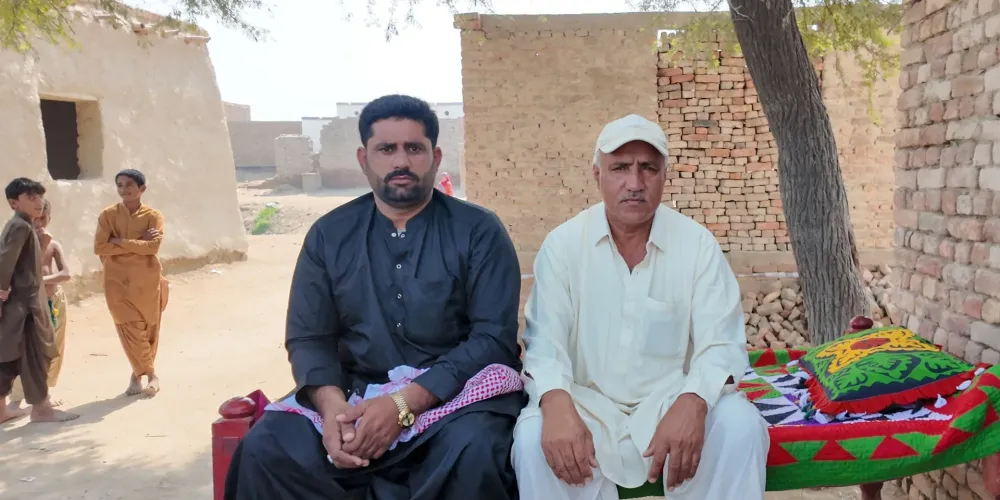
Thirty-nine farmers from Sindh, Pakistan, have filed a case in a Heidelberg court against German companies RWE and Heidelberg Materials, arguing that major greenhouse-gas emitters should bear responsibility for climate-linked farm losses. The plaintiffs say emissions from large industrial producers intensified extreme weather patterns that contributed to the 2022 flood disaster.
The 2022 floods were described as Pakistan’s worst on record. About 30 million people were displaced, more than 1,700 people were killed, millions of acres of farmland were inundated, and total damage was estimated at roughly $40 billion. For farm families in Sindh, the impact included crop destruction, damaged storage, and severe cash-flow stress before the next planting cycle.
Lawyers representing the farmers point to Carbon Majors data, which attributes a dominant share of historical emissions to a relatively small set of producers. The article notes that 178 industrial producers account for around 70% of global emissions in that database context, and that the two German firms are among major emitters in their jurisdiction.
The lawsuit is framed as transnational climate litigation: the companies do not operate farms in Pakistan, but the claimed effects of emissions are said to cross borders through the climate system. The legal strategy also references the earlier Peruvian farmer case against RWE. Although that case was dismissed in 2025, the German court recognized in principle that companies can be liable for specific climate-related harm.
For the Sindh farmers, the case is about both compensation and future resilience. Many households say recovery support after the floods was uneven, while local legal routes are often slow and costly. If compensation is awarded, farmers say funds would be used to rebuild homes, restore productive land, and restart farm operations.
At the same time, Pakistani environmental voices in the report stress that external accountability should be paired with stronger domestic adaptation policy. For agriculture, that means combining legal redress, better climate-risk planning, and targeted support to protect rural livelihoods before the next extreme season hits.
Not yet comments. Be the first!
Comments · 0