
New Zealand reports first case of H5N1 bird flu
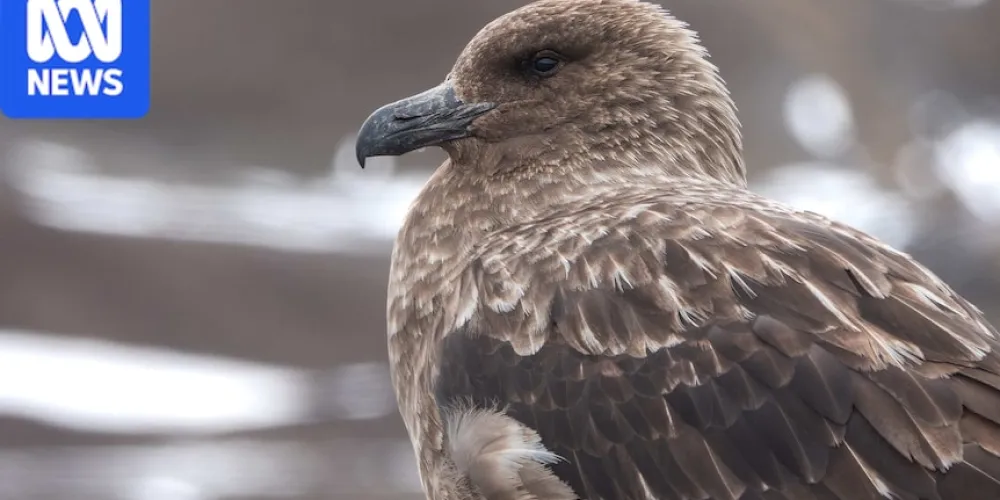
New Zealand has officially recorded its first case of the deadly H5N1 bird flu. The virus was detected in a brown skua seabird discovered on a beach near the capital, Wellington. Minister for Biosecurity Andrew Hoggard announced the findings, highlighting the precarious nature of the situation for the country, which has been bracing for the arrival of the virus that has swept across global wildlife populations since 2021.
At present, authorities state that there is no evidence of mass mortality in wildlife or transmission to poultry farms. The situation in New Zealand bears similarities to the patterns observed in Australia, where 14 confirmed or presumed positive detections have been recorded since the virus was identified on the continent last month. Officials are monitoring the situation closely to prevent further spread.
New Zealand's unique avian population faces an unprecedented threat. Having evolved for millions of years in the absence of native land mammals, many of the country's birds are flightless or ground-nesting, leaving them highly vulnerable to predators and new pathogens. Brett Gartrell, a professor of wildlife health at Massey University, expressed grave concerns, warning that if the virus spreads rapidly, it could push some of the country's most critically endangered species to the brink of extinction.
In a proactive move to protect the nation's most vulnerable wildlife, health officials have launched an emergency vaccination program targeting 300 core breeding birds from five endangered species, including the iconic flightless takahē and kākāpō. However, experts note the challenge of timing; if the virus moves quickly through the population, these birds may not achieve full immunity in time to survive an outbreak.
The government has spent considerable time preparing for this eventuality by developing biosecurity and resilience plans in collaboration with the poultry industry. While these measures are essential, the isolation that once protected New Zealand's biodiversity now places it in a vulnerable position as the global H5N1 epidemic continues to impact bird and mammal populations worldwide, causing widespread devastation to ecosystems.
Not yet comments. Be the first!
Comments · 0