
New gene targets may help crops restart growth after climate stress
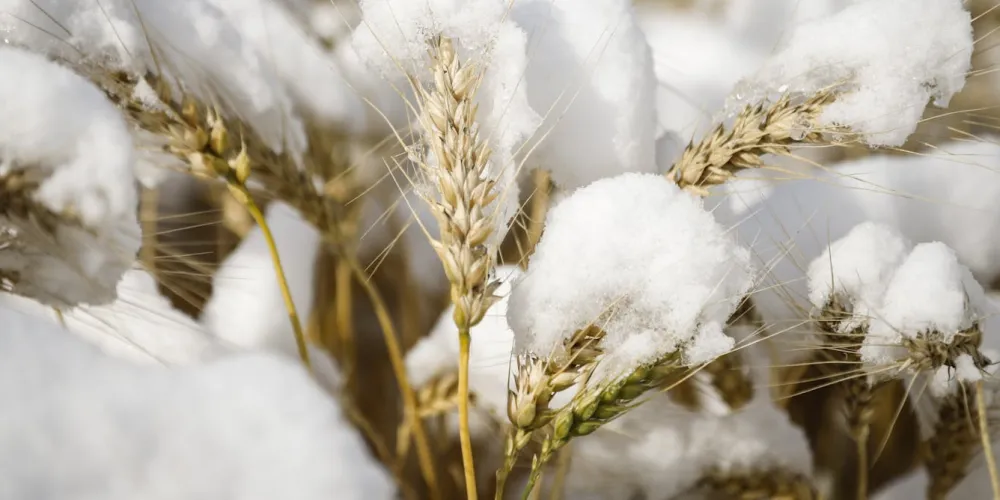
Researchers in Canada have described genetic mechanisms that help plants temporarily stop growing under harsh conditions and restart growth when the stress passes. Writing in The Conversation, the authors say these findings could eventually support the development of crop varieties that recover more quickly after cold snaps, drought, salinity and other climate-related shocks.
In the first stage of the work, the scientists measured root growth in thale cress under cold, salt stress and drought-like conditions. By tracking root length over time, they found that plants exposed to cold or salt effectively paused root growth and then resumed normal growth within about 24 hours after being returned to favorable conditions. Recovery after osmotic or drought stress also occurred, but more slowly, which led the researchers to describe the pattern as not only “pause and play” but also “pause and push.”
To see whether the same response existed in other species, the team worked with researchers from the United States Department of Agriculture and repeated the experiments in two wild grasses closely related to major cereal crops: Brachypodium distachyon and annual ryegrass. Both grasses showed similar stress and recovery patterns, suggesting that the mechanism that pauses and restarts growth may be shared across a wider range of plant species.
The researchers then moved to the genetic level, using fluorescent markers to follow genes linked to cell division. After counting thousands of cells over several months, they found that some genes appeared in fewer cells under cold, drought and salt stress, but returned to normal levels within about 24 hours once optimal conditions were restored. One gene stood out in particular: Cyclin-dependent Kinase A;1, or CDKA;1, which regulates the cell cycle. Additional experiments showed that blocking this gene prevented plants from recovering from cold and salt stress.
The authors say the findings could be used in several practical ways. Breeders could look for natural variants of these genes in crop populations and select lines that recover faster after stress, while gene-editing approaches such as CRISPR might eventually be used to fine-tune these responses more precisely. The point, the researchers argue, is not to stop heat waves, flooding or snowstorms, but to help plants survive them, complete their life cycle and still produce a harvest on time, which is directly relevant to long-term food security.
Not yet comments. Be the first!
Comments · 0