
Fiber-optic study links repeated tillage to weaker soil moisture retention on farms
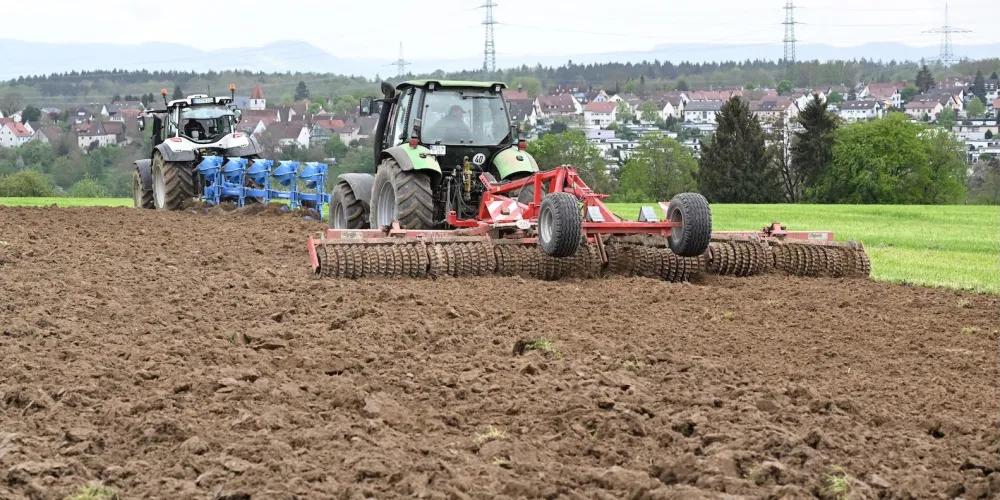
Researchers described by Grist used distributed acoustic sensing based on fiber-optic cables to examine how repeated tillage changes the way soil holds moisture. The work was carried out at Harper Adams University in the UK, where adjacent plots have been managed under different tillage intensity for about 20 years. That long-running side-by-side setup made it possible to compare regularly worked fields with less-disturbed soil under the same weather conditions.
The method relies on pulses of light moving through fiber-optic cable. Small disturbances along the line send part of the signal back, allowing scientists to interpret how waves travel through the surrounding soil. By comparing signals from tilled and untilled plots, the team found evidence that repeated ploughing destroys the natural soil “capillaries” formed by pores, roots and biological activity, structures that normally help move and store water in the profile.
Freshly worked soil can look loose and receptive, but the report explains that long-term mechanical disturbance leaves it less able to retain moisture. As structural continuity breaks down, water infiltrates and moves differently, and less of it remains available to crops. That matters more as drought pressure increases, because even small losses in soil water storage can translate directly into weaker crop resilience.
The article also links tillage to farm economics. In the short term, cultivation helps control weeds and can release nutrients, but over time it degrades fertility, raises dependence on synthetic fertilisers and accelerates soil-carbon loss. When water infiltrates poorly, more moisture is lost before reaching roots, forcing growers to compensate through extra spending on fuel, crop inputs and soil recovery.
As alternatives, the researchers and outside experts point to no-till systems, cover crops, greater crop diversity and the use of livestock after harvest. In their view, that package can reduce reliance on agrochemicals, improve soil organic matter, maintain comparable yields and lower diesel use. For agriculture, the study adds another practical argument for managing soils as water-holding infrastructure rather than only as a medium to be mechanically reset each season.
Not yet comments. Be the first!
Comments · 0