
Kerala pineapple growers urge a one-year pause in new planting as prices crash and labour thins
Pineapple growers in Kerala are urging farmers to avoid fresh planting for 12 months as they confront labour shortages, a sharp price slump and weaker market demand.
The Pineapple Growers Association Keralam has urged farmers to avoid fresh pineapple cultivation for the next 12 months and focus instead on maintaining existing plantations. The call reflects a combination of pressures now hitting the sector at once: acute labour shortages, a severe price collapse, weather-related disruption and higher fertilizer costs. In practical terms, growers are arguing that expanding supply now would worsen an already unstable market.
Association president Baby John said worker migration to North India during the election season has sharply reduced labour availability for harvesting and managing current farms. In his view, the immediate priority should be proper upkeep of existing plantations so that farmers do not add avoidable costs at a time when sales channels are already under strain.
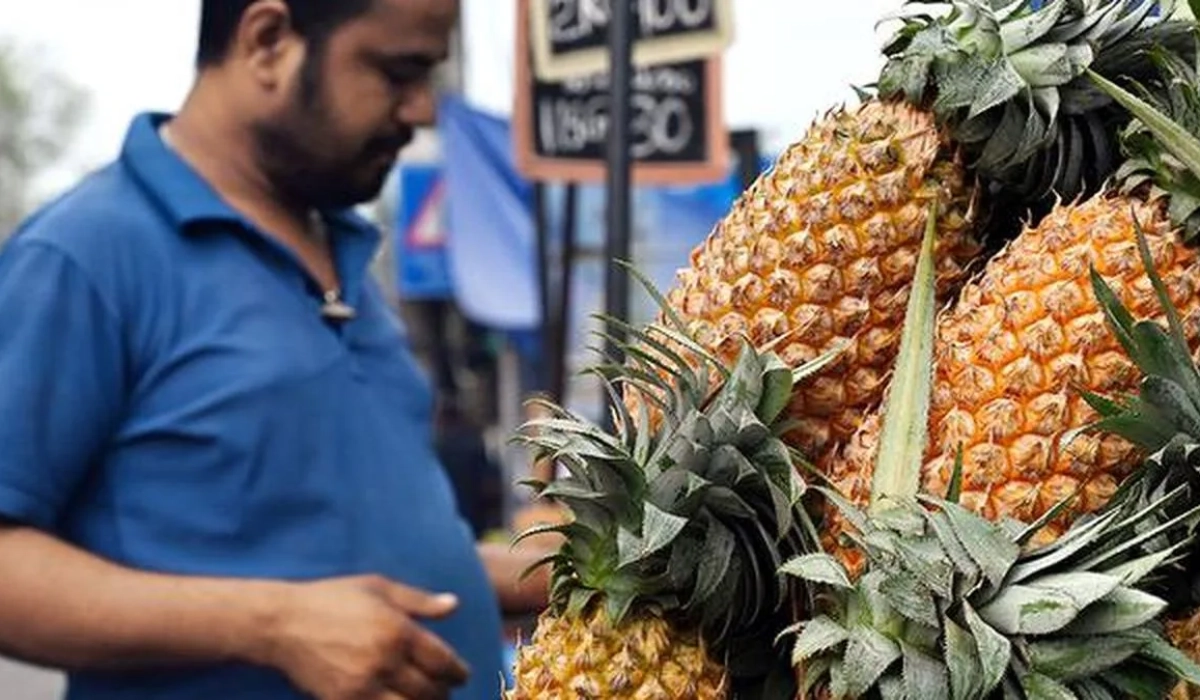
The pricing picture explains the urgency. First-grade green pineapple is selling at around Rs 46 per kilogram, while ripe pineapple in wholesale markets has fallen to roughly Rs 10 to Rs 13 per kilogram. Growers say they need about Rs 35 to Rs 40 per kilogram just to break even. Under those conditions, a new planting cycle would expose many producers to losses before the market has a chance to absorb current output.
Weather has added another layer of stress. Extreme temperatures during March and April disrupted flowering and fruiting patterns, contributing to uneven production and excess supply. The article notes that pineapple cultivation typically delivers three harvests over a two- to three-year period, which means poor decisions in one season can continue to affect returns for a long time.
Demand conditions have worsened too. After several years of strong prices, more farmers entered the sector and favourable growing conditions lifted production further. The result has been a market glut just as demand from the hospitality industry, processed fruit products and juice consumption weakened, leaving substantial volumes of harvested fruit without buyers.
The growers’ body also warned that calls to reduce fertilizer use and fears of supply constraints linked to geopolitical tensions could complicate fresh planting even more, because new cultivation requires heavier nutrient application. That is why the proposed one-year pause is being framed not as a retreat from pineapple farming, but as a temporary stabilisation measure meant to relieve financial pressure and give the market time to rebalance.