
Ireland sees agri-food upside in the EU-Mexico trade deal
Dublin says the EU-Mexico agreement should expand agri-food exports and is not a Mercosur-style threat to Ireland's beef sector.
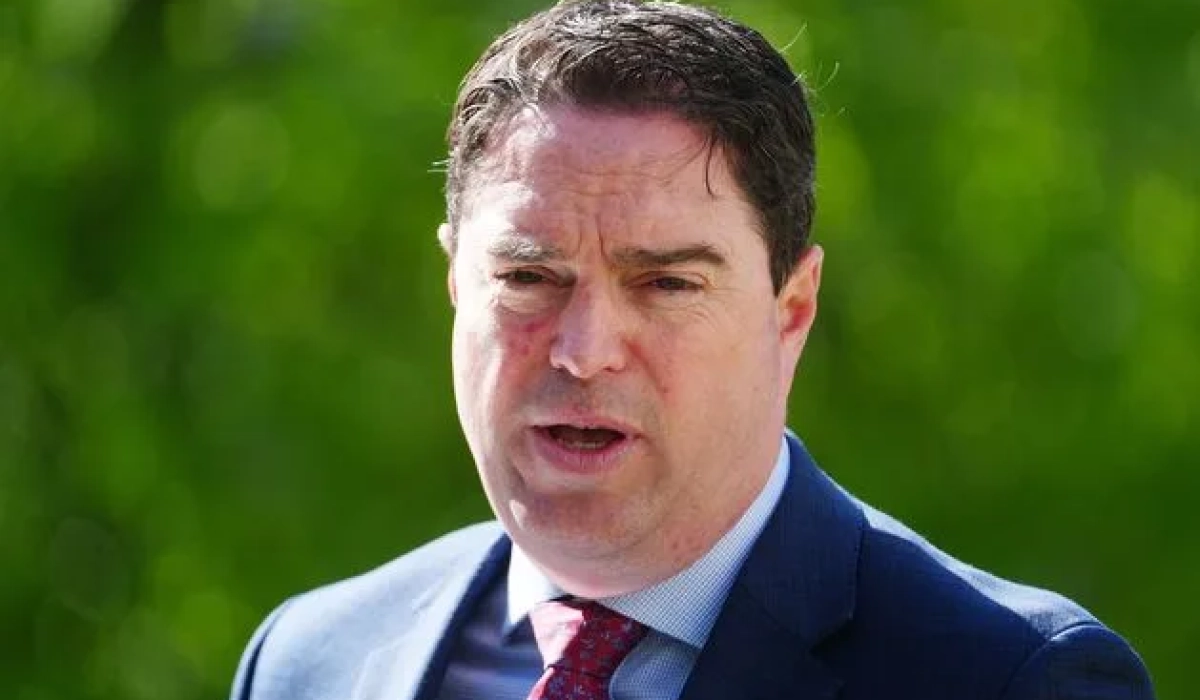
Ireland expects the updated EU-Mexico trade agreement to create new room for agri-food exports and to support rural income rather than undercut it. Agriculture Minister Martin Heydon said the deal is “not Mercosur” and argued that it should benefit rural Ireland by improving opportunities for sectors where the country is already competitive, especially dairy, pork and poultry.
Heydon drew a clear political line between the Mexico agreement and the contentious EU-Mercosur framework that Ireland has opposed because of concerns about farm standards and pressure on the domestic beef market. In the Mexico case, he said the balance is more manageable. The agreement still creates a pathway for Mexican beef to expand in the EU, but only within sanitary rules tied to issues such as BSE and foot-and-mouth disease, making the risk profile materially different from Mercosur in Dublin’s view.
Current trade figures explain why the government is interested. The report says Irish agri-food exports to Mexico reached about 85 million euros in 2024, with around 67 million euros coming from dairy products alone. Ireland is the largest supplier of imported casein into the Mexican market, and Kerrygold sources milk through 15 co-operatives, linking export growth directly to farm-level milk production and co-op income.
Mexico also matters beyond a single bilateral line. Roughly one-third of Ireland’s agri-food exports to Latin America and the Caribbean already go to Mexico, so deeper market access there could strengthen Ireland’s wider regional position. Officials see particular scope in butter, cheese, pork and poultry, sectors that fit Ireland’s export structure and that can benefit from lower trade friction and clearer market access conditions.
The politics remain sensitive because Irish farmers have become highly alert to trade deals that appear to trade away domestic production interests. That sensitivity has been reinforced by the European Commission’s recent confirmation that Brazilian beef could face an EU ban from September over concerns about antibiotic use. Against that backdrop, the government is presenting the Mexico agreement as a controlled expansion of trade rather than a broad opening that would destabilise the home market.
For rural Ireland, the real test will be execution. If improved access and easier trade procedures turn into higher sales of dairy and meat products, the gains should flow beyond processors to the co-operatives and farms supplying them. That is why Dublin is framing the agreement as an instrument for supporting the rural economy and strengthening agri-food exports, not as a concession likely to intensify pressure on primary producers.