
Indonesia to help rubber farmers raise productivity and income
Indonesia's transmigration ministry says it is ready to support rubber growers with coordinated policy, replanting and productivity measures as ageing trees and low yields weigh on smallholder incomes.
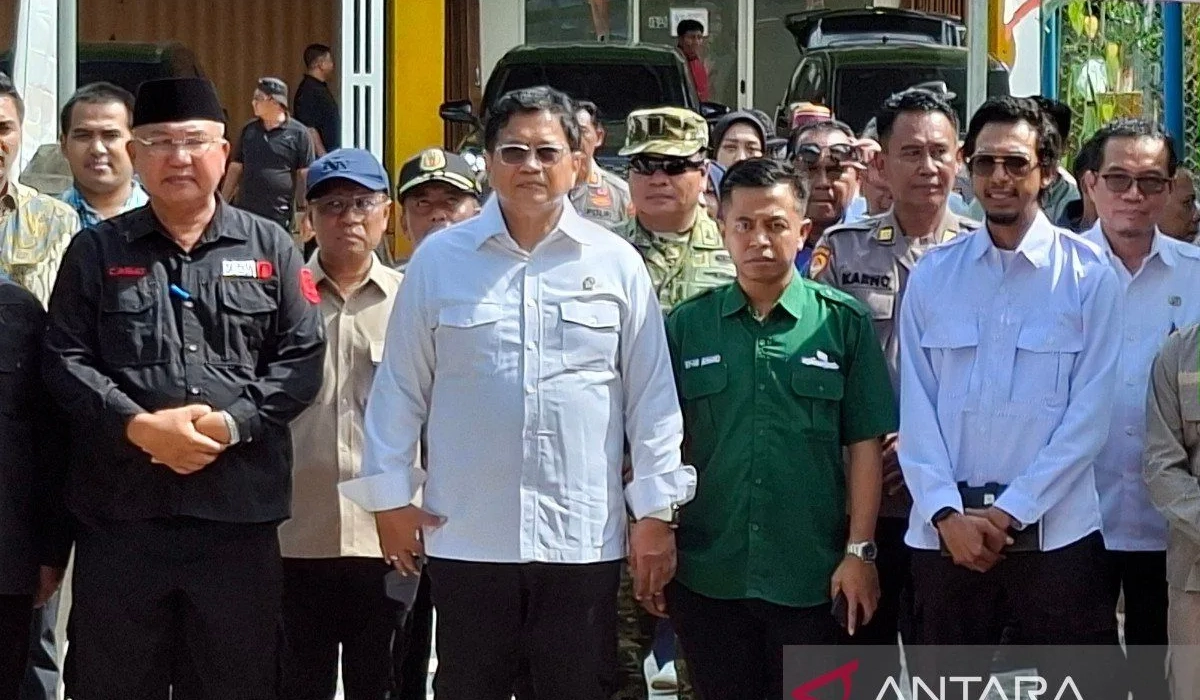
Indonesia's Ministry of Transmigration says it is ready to help rubber farmers increase productivity and income. The statement was made on May 23 in Sebuntal Village, Kutai Kartanegara, East Kalimantan, where Deputy Minister Viva Yoga Mauladi met farmers and said stronger local agricultural communities are essential for wider regional economic growth.
Mauladi said the issue is nationally significant because Indonesia has around 2.1 million rubber-farmer households, most of them concentrated in Sumatra and Kalimantan. In the government's view, raising returns in these communities is important for transmigration residents in both current and former transmigration areas, where rubber remains a core livelihood crop.
The ministry said a broader policy response is needed rather than a single support measure. Mauladi called for coordination with the Ministry of Agriculture, the National Research and Innovation Agency BRIN and the Ministry of Public Works. The goal is to build a comprehensive approach that raises productivity, lifts farmer income, improves tapping quality and creates more added value from rubber output.
Officials also want a stronger smallholder-based industrialisation process so farmers can retain more value and develop sustainably. Mauladi described rubber as a long-standing prime commodity and stressed that it remains an export crop of major importance. Indonesia is the world's second-largest rubber exporter after Thailand, but about 90 percent of its producers are still smallholders.
That smallholder structure also explains the sector's main constraints. According to the deputy minister, many plantations need replanting because production has declined and most trees are more than 25 years old. He also pointed to the need for intensification through fertilisation, better infrastructure networks and research into new seed material that can raise the productivity of rubber trees over time.