
Indonesia plans to use food aid channels to absorb egg and poultry surpluses
Indonesia is widening the list of goods used in public food aid programs so state demand can help absorb farm surpluses. Trade Minister Budi Santoso linked the move directly to price support for producers, starting with eggs and potentially chicken meat.
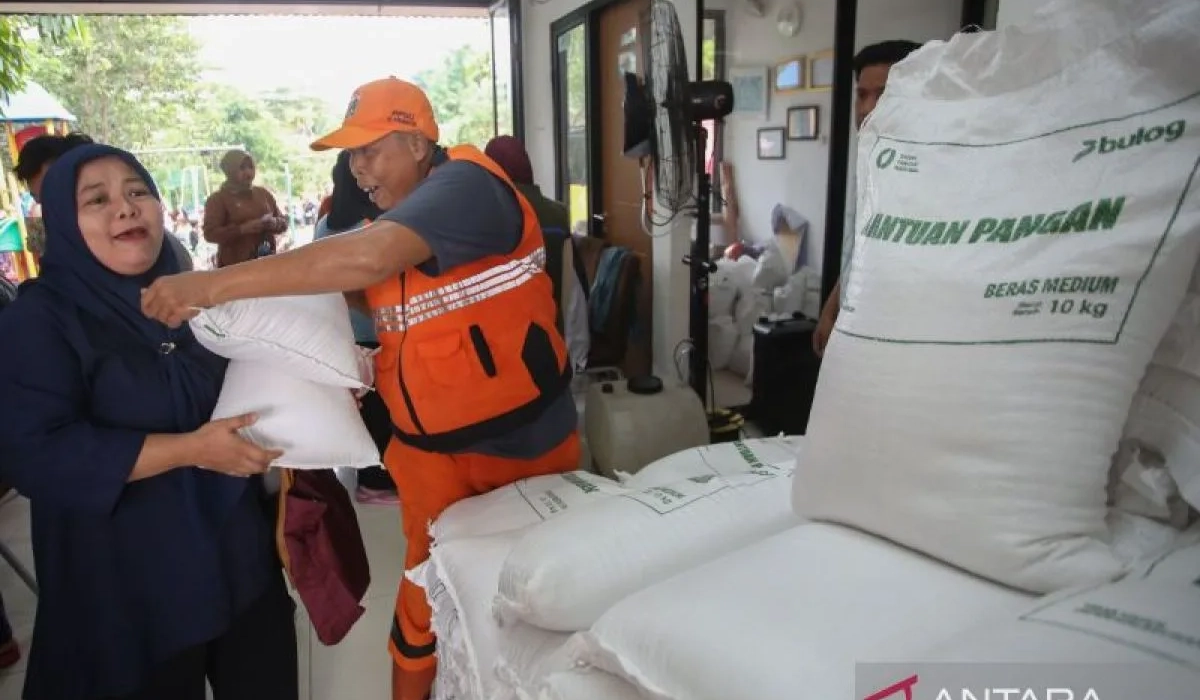
Indonesia is preparing to widen the range of products used in public food aid programs as part of a broader attempt to stabilize farm markets. ANTARA reported that Trade Minister Budi Santoso said future food assistance would not be limited to rice and cooking oil, but would also include eggs and other commodities that need support through additional absorption when supply runs ahead of market demand.
Santoso said the approach is designed to keep supply and prices in balance for farmers and livestock breeders during periods of overproduction. He added that the government has already coordinated with the National Nutrition Agency so that local Nutrition Fulfillment Service Unit, or SPPG, operations can take in egg output from local farmers. The immediate objective is to lift egg prices closer to the highest retail price benchmark while protecting producer welfare.
The article says national egg production is currently running at a surplus of around 12 percent. In the minister's view, demand exists, but the state needs to organize distribution channels more effectively so excess output does not drag prices down. That makes food aid more than a social support instrument. It also becomes a market management tool that can redirect public purchasing power toward sectors facing temporary oversupply.
The same logic is expected to be used for other commodities. ANTARA notes that if chicken prices fall below the relevant benchmark, the National Nutrition Agency will be encouraged to increase absorption through the Free Nutritious Meals program operated via SPPG. In practice, that gives the government a flexible lever to step into livestock markets when weak prices threaten farm incomes.
For farmers and poultry producers, the policy matters because guaranteed institutional demand can soften the effect of sudden price pressure. When output rises quickly, smaller and medium sized producers are often the first to lose bargaining power and see margins deteriorate. If state procurement works as intended, it could ease those shocks by creating a more predictable outlet for products that would otherwise weigh on the market.
From an agri economic standpoint, the decision shows Indonesia tying food assistance policy more closely to domestic farm market management. If the model proves workable for eggs and poultry, it could become a template for other sensitive commodities where oversupply translates quickly into lower producer prices. The key operational question is whether state agencies can scale purchases and distribution fast enough to make the intervention effective when market stress appears.