
Indonesia builds 100 post-harvest food facilities as rice reserves outgrow storage
Indonesia is building 100 post-harvest facilities with dryers, silos and rice-processing equipment to expand storage, absorb farmer output and stabilize food distribution and prices.
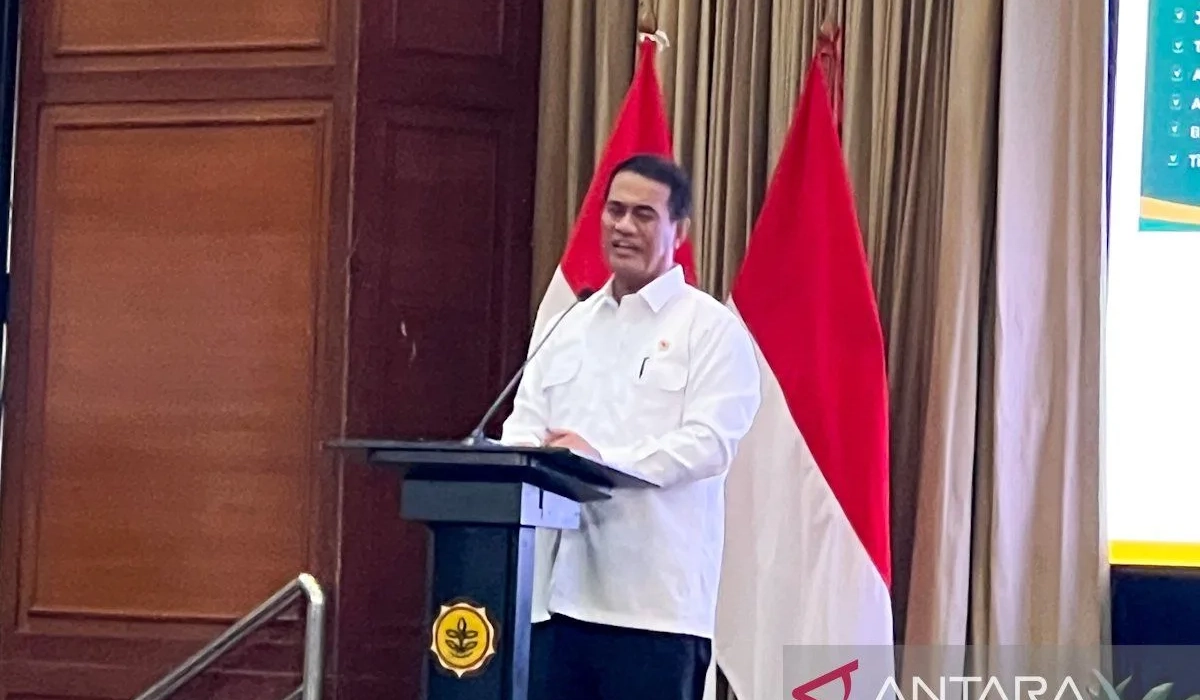
Indonesia is moving ahead with the construction of 100 post-harvest infrastructure units, including warehouses, dryers, rice milling units, rice and corn silos, and modern rice-processing facilities. Agriculture Minister Andi Amran Sulaiman said in Jakarta that the build-out is meant to become a permanent solution for strengthening the country’s food ecosystem from upstream production to downstream distribution. In other words, the government is treating storage and handling capacity as a strategic part of food security rather than a temporary emergency measure.
The initiative carries a budget of around Rp5 trillion, or about US$275.6 million according to the report. The facilities will be used to store government rice reserves managed by the state logistics agency Bulog. As of early June, those reserves had climbed to 5.3 million tons, while Bulog’s warehouse capacity was only about 3 million tons. That mismatch between stocks and available storage has become a central driver behind the expansion.
Officials are framing the project as more than a warehousing exercise. Sulaiman said the aim is to keep food available, improve distribution flows across regions and preserve fair consumer access to food at stable prices. The article also says the new hubs will be integrated with the Red and White Village Cooperatives, Bulog and the Free Nutritious Meal program, linking post-harvest logistics to wider food policy and public distribution systems.
Regional lawmakers described the project as a response to broader structural weaknesses in the food chain. They pointed to uneven food availability, especially in eastern Indonesia and island regions, high logistics costs, exposure to climate risks and the need for a more equitable and efficient distribution system. The new infrastructure is also expected to absorb local harvests more effectively, maintain crop quality, cut post-harvest losses, extend shelf life and reinforce the national distribution network.
The facilities will be spread across major food production hubs in Sumatra, Java, Kalimantan, Sulawesi, Bali, Nusa Tenggara, Maluku and Papua. The legal basis is Presidential Regulation No. 14 of 2026, which assigns Bulog to build the network nationwide. For agriculture, the message is clear: Indonesia is not relying only on higher output, but also on the storage, drying, milling and handling systems needed to keep grain moving, reduce losses and turn reserves into a workable market-stabilization tool.