
Indonesia bolsters irrigation and water supplies to mitigate El Nino
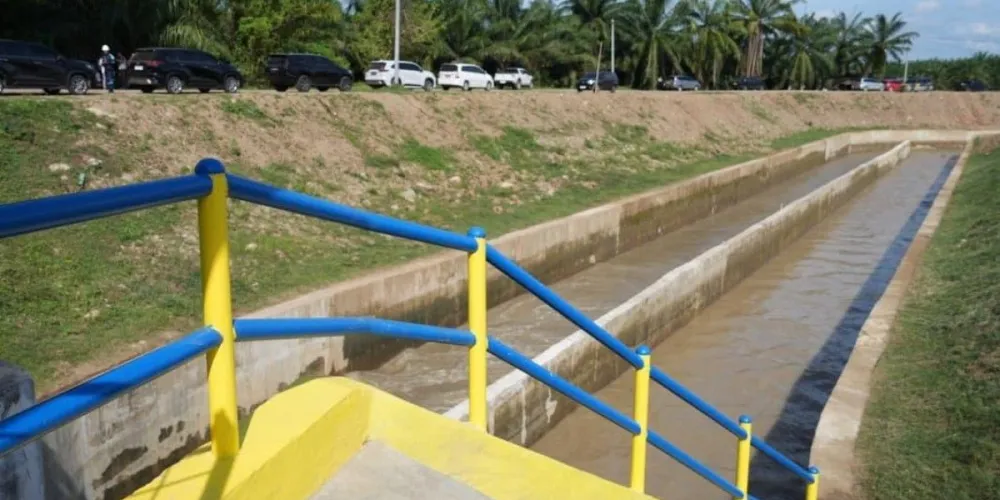
The Indonesian government is taking decisive steps to strengthen its irrigation infrastructure to counter the potential impacts of the El Nino phenomenon. Public Works Minister Dody Hanggodo highlighted that these measures are essential to safeguarding national food security, as El Nino-induced droughts could threaten agricultural productivity and disrupt public access to clean water through established Drinking Water Supply Systems (SPAM).
The mitigation strategy involves a dual focus: drilling deep groundwater wells and expanding tertiary irrigation networks to provide water to rice fields and plantations. These efforts are particularly focused on drought-prone areas, including the Gunungkidul District in the Special Region of Yogyakarta, as well as various locations in East Nusa Tenggara that frequently suffer from water scarcity during the dry season.
This initiative aligns with Presidential Instruction No. 2 of 2025, which calls for the accelerated development, rehabilitation, and maintenance of irrigation networks to foster food self-sufficiency. The Ministry of Public Works is collaborating closely with regional authorities to ensure that existing systems operate at optimal capacity, thereby stabilizing agricultural output despite challenging weather conditions.
To further improve operational success, the Ministry of Public Works and the Ministry of Agriculture have committed to joint data collection and irrigation network planning. By integrating their resources, the ministries aim to develop more accurate, data-driven strategies for 2026 and beyond. This collaboration ensures that irrigation programs can be launched earlier and executed with greater efficacy, minimizing delays caused by climate-related uncertainties.
In addition to infrastructure development, the government has established a cross-unit task force to oversee coordinated disaster response efforts. By prioritizing these structural and operational changes, Indonesia intends to maintain its agricultural productivity while ensuring reliable water access for local communities and progressing toward long-term national food self-sufficiency goals.
Not yet comments. Be the first!
Comments · 0