
India wheat procurement rises 17% to 35 million tonnes and beats season target
India's state wheat procurement for the 2026-27 season has crossed 35 million tonnes, moving above the official target and well ahead of last year.
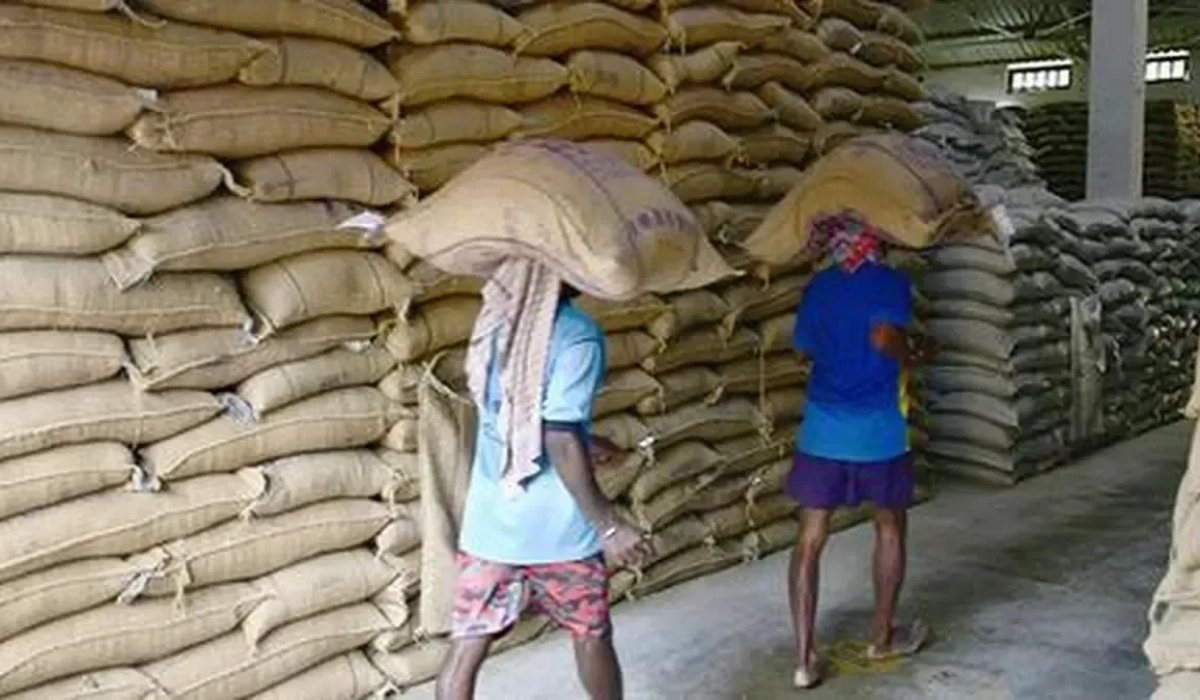
India's government wheat procurement for the 2026-27 rabi marketing season has risen 17 percent to more than 35 million tonnes. According to The Hindu BusinessLine, citing a senior food ministry official, the volume has already moved above the official target of 34.5 million tonnes and well ahead of last year's procurement level of 30 million tonnes.
The purchases are carried out by the Food Corporation of India and state agencies at the minimum support price, or MSP. Those stocks are used to meet obligations under the National Food Security Act and other welfare schemes. That makes the procurement figure important not only for grain growers and traders, but also for the wider public food distribution system.
A key reason for the stronger procurement is that mandi prices were ruling below MSP, making sales to the state more attractive. The larger buying programme was also supported by robust domestic production estimated at 120.65 million tonnes. That output held up despite localized crop damage caused by unseasonal rainfall and hailstorms in some growing areas.
State data show that Punjab remained the top contributor, with procurement rising to 12.1 million tonnes from 11.9 million a year earlier. Madhya Pradesh posted a particularly strong jump to 10.4 million tonnes from 7.8 million. Haryana increased to 8.1 million tonnes from 7 million, Uttar Pradesh nearly doubled to 1.7 million tonnes from 1 million, and Rajasthan improved to 2.4 million tonnes from 1.9 million.
Officially, the wheat procurement season runs from April through March, although most grain is bought in the first few months after harvest. Crossing the 35 million tonne mark at this stage points to a firmer supply situation in the domestic market. For India's farm economy, it means more comfortable replenishment of public stocks and less pressure on the country's food security programmes.