
India suspends cotton import duties until October to ease textile supply pressure
India will waive cotton import duties from June 1 to October 31, 2026 to improve raw material availability for the textile sector and reduce cost pressure across the value chain.
India's government has decided to suspend all customs duties on cotton imports for five months starting on June 1, 2026. The measure applies to cotton imported under tariff heading 5201 and will remain in force through October 31. During that window, both the basic customs duty and the Agriculture Infrastructure and Development Cess on those imports will be set at zero.
The finance ministry notified the decision on May 30 and said the purpose is to improve cotton availability for the country's textile sector. For the farm economy, the move matters because cotton is a major agricultural raw material and the textile industry is one of its most important downstream buyers. The decision is also an acknowledgment that the domestic market is still dealing with a persistent demand-supply gap.
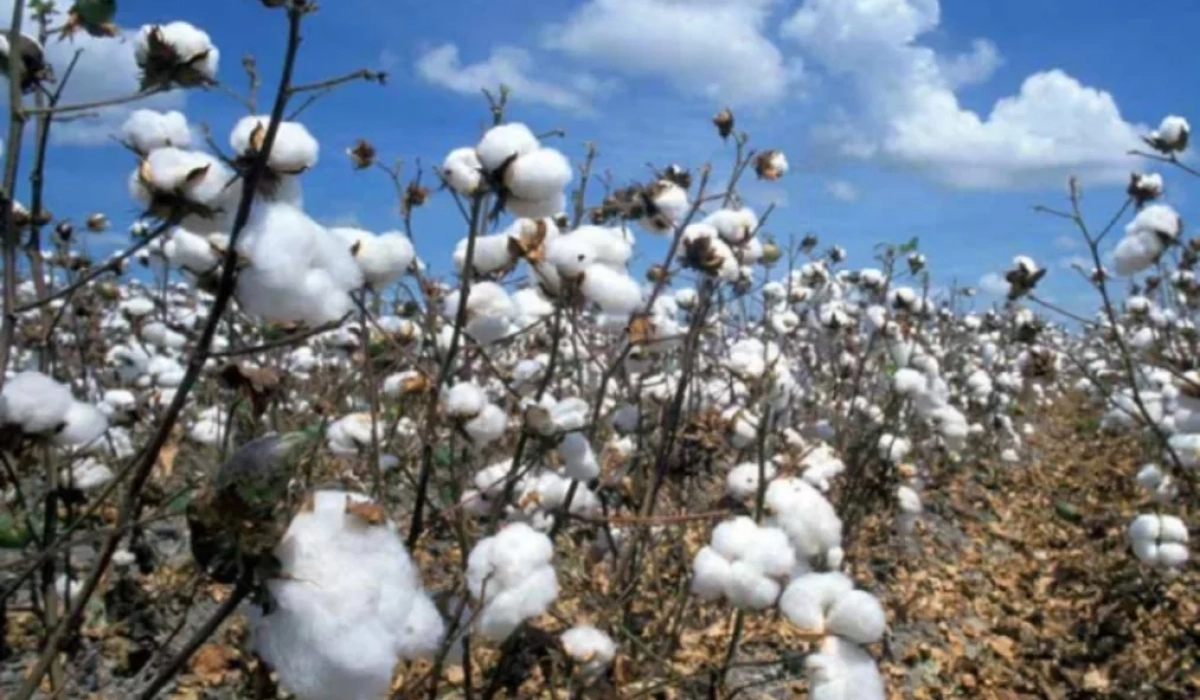
According to the source report, India's textile sector employs more than 45 million people and contributes nearly 2 percent to national GDP. Industry players had argued that the existing 11 percent import duty was hurting competitiveness, especially because major Asian competitors already have duty-free access to cotton. The temporary waiver is therefore intended to lower input costs across the textile and apparel chain.
The article says the relief is expected to help manufacturers while balancing the interests of domestic cotton growers. In practical terms, that makes this a limited trade intervention rather than a permanent policy reset. The government is using a time-bound import measure to ease pressure in a raw-material market that remains tight.
This is not the first time New Delhi has taken that route. The government had previously removed cotton import duties between August and December 2025, when higher US tariff risks had begun affecting manufacturing activity and investment sentiment. The new waiver suggests that supply concerns have not fully disappeared in 2026.
Industry bodies quoted in the report welcomed the move and said it should improve cotton availability, reduce cost pressure and support the export competitiveness of Indian textiles and apparel. The benefit is expected to be especially meaningful for small and medium-sized manufacturers, which are more exposed to sharp increases in cotton and yarn prices.