
India’s oil palm push hinges on yields, farmer trust and tighter cluster development
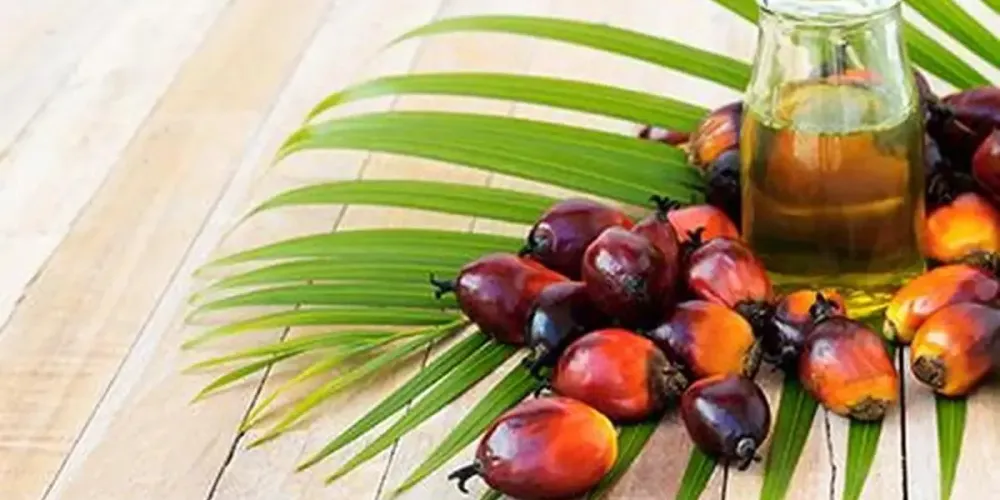
India is intensifying its push into oil palm as part of a broader effort to reduce reliance on imported edible oils, especially palm oil. The Hindu BusinessLine argues that the latest wave of plantation development in Andhra Pradesh, Telangana, the North-East and other regions reflects not only policy momentum, but also a sense of urgency around food and economic security.
The article’s core point is that acreage expansion on its own will not deliver the outcome India wants. Even with incentives under the National Mission on Edible Oils–Oil Palm, the sector still faces three structural constraints: weak productivity, difficult long-term economics for growers and limited farmer confidence. Those issues matter more in oil palm than in seasonal crops because the investment horizon stretches out to nearly 30 years.
The piece stresses that India’s model is fundamentally different from the estate-based systems seen in Indonesia and Malaysia. Success here depends on large numbers of small and marginal farmers rather than vast plantation estates. That means growers are weighing water availability, future income stability, procurement certainty, policy continuity and company credibility before they commit land to oil palm.
According to the article, farmer response improved only modestly in Andhra Pradesh and Telangana during FY 2025-26, while momentum in most other states remains well below expectations. At the same time, India is pursuing oil palm across more than 14 states, yet meaningful progress in plantation quality, effective cultivated area and field productivity is concentrated in only a small number of places.
That is why the report puts unusual emphasis on cluster development. Scattered plantations across too many districts weaken logistics, dilute technical support and make it harder for processors to run mills efficiently. The article argues that oil palm succeeds when there is enough local concentration to build confidence, visible supply chains and economically viable processing capacity. It also notes that some states, including Goa, Odisha and Mizoram, have already faced this kind of operational strain.
The most direct warning concerns yields. In many regions outside the leading states, average output from mature plantations is still estimated at below 8 tonnes of fresh fruit bunches per hectare a year, a level the article describes as economically unsustainable. The broader conclusion is that India’s oil palm future will be decided less by headline acreage targets and more by irrigation, planting material, field support, transparent procurement and the ability to build an institutional model that farmers are willing to stay with for decades.
Not yet comments. Be the first!
Comments · 0