
India business group urges integrated response to fuel, fertilizer and food risks
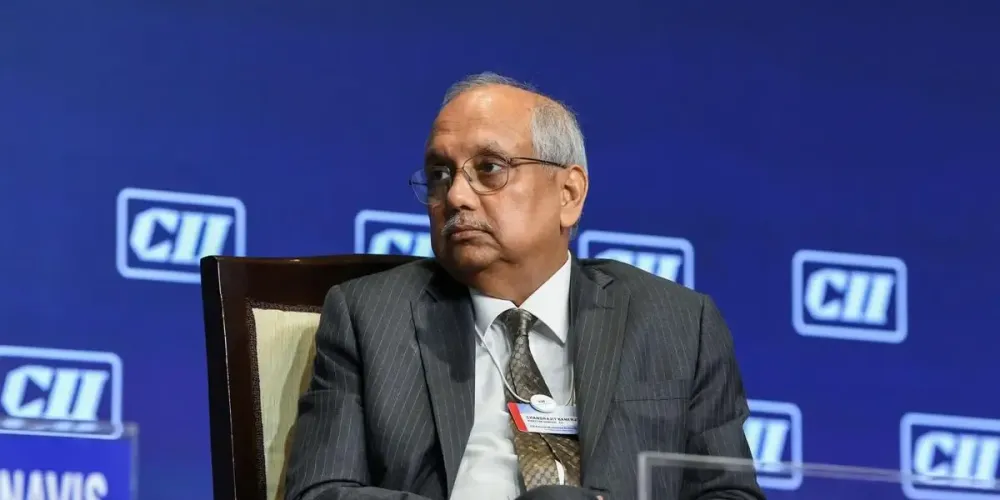
The Confederation of Indian Industry on May 21 called for a coordinated national strategy that treats fuel, fertilizer and food as one linked economic challenge. According to the industry body, the crisis in West Asia has exposed how closely energy markets, fertilizer supplies, logistics costs, food inflation and household welfare are tied together. In its view, policy cannot manage those pressures in separate silos because disruption in one segment quickly feeds into the others.
CII Director General Chandrajit Banerjee said fuel feeds into fertilizer, fertilizer feeds into food, and all three feed into inflation, fiscal stress and household welfare. The group said India imports nearly 88 percent of its crude oil, 90 percent of its phosphates and 25 percent of its urea requirement, leaving the country highly exposed to global supply disruptions and price swings. A large share of crude oil and LNG imports also passes through the Strait of Hormuz, adding a direct geopolitical risk to input costs.
The industry chamber said the government’s initial steps to cushion consumers from fuel-price shocks and prioritize gas supply to critical sectors had been reassuring, but it argued that medium- and long-term reforms are still needed. On fuel security, it recommended faster adoption of higher ethanol blends, wider use of flex-fuel vehicles, development of LNG trucking corridors, gradual movement toward alternative cooking fuels, and larger investments in domestic exploration, strategic reserves, bio-CNG, coal gasification and nuclear energy.
On fertilizers, CII proposed phased reform built around direct benefit transfer of subsidies to farmers and the inclusion of urea in the Nutrient Based Subsidy framework. The stated objective is to improve nutrient-use efficiency, reduce excessive nitrogen application and support better soil health without weakening support for growers. Banerjee said the goal is to strengthen assistance, not cut it, while using more transparent and data-driven systems to protect small farmers.
For food markets, CII said India’s record foodgrain harvest provides some relief, but higher fuel and fertilizer costs combined with monsoon uncertainty could still lift prices for perishables such as tomato, onion and potato. It recommended early release of buffer stocks, stronger action against hoarding, investment in cold-chain infrastructure and expansion of farmer-to-consumer networks. In CII’s assessment, only a combined response across the three sectors can reduce inflation pressure and limit the next round of volatility in agricultural markets.
Not yet comments. Be the first!
Comments · 0