
EU-Mercosur trade deal takes effect and sharpens the battle over farm imports into Europe
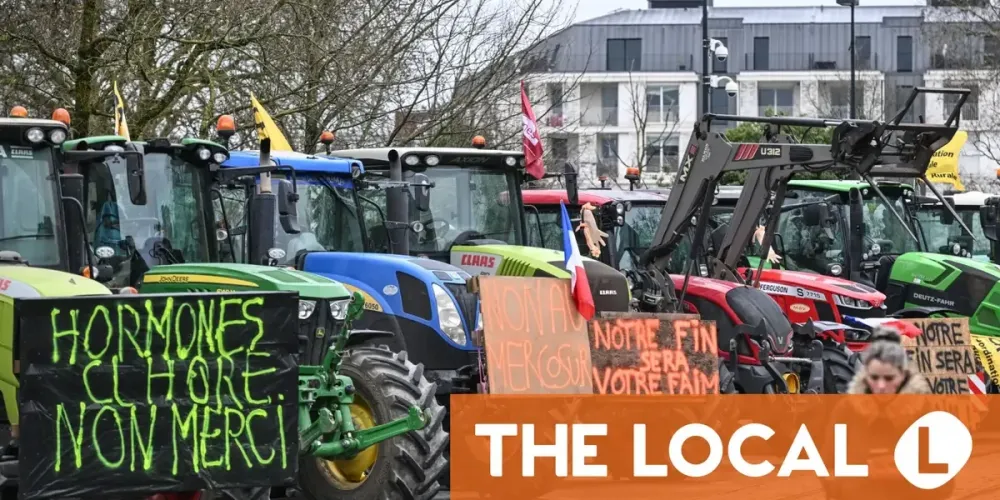
The trade agreement between the European Union and the South American Mercosur bloc entered into force provisionally on May 1, even as a court challenge over its legality remains unresolved. The launch matters far beyond industrial trade because the deal reaches into some of Europe’s most politically sensitive agricultural markets and immediately revives long-running arguments over farm competition and standards.
The agreement was sealed in January 2026 after more than 25 years of intermittent negotiations. Together, the two blocs represent around 700 million people and roughly 30% of global GDP. More than 90% of tariffs are due to be removed under the pact, making it one of the biggest trade openings the EU has pursued and one with direct implications for commodity flows, food processors and farm incomes.
For the EU, the commercial prize includes easier access for cars, machinery, chemicals, pharmaceuticals, wine and cheese. For Mercosur, the biggest interest lies in agricultural access to Europe, especially for beef, poultry, sugar, rice, honey and soybeans. That farm component is what has made the deal particularly contentious, because those products overlap directly with sectors where European producers are already under price and cost pressure.
Opponents, especially in France, argue that European farmers could face unfair competition from producers in Brazil and elsewhere in the bloc, where production systems, environmental rules and the use of some crop chemicals are seen as less restrictive. The agreement has also drawn criticism linked to forest protection and sustainability safeguards. Instead of giving it an immediate full green light, the European Parliament referred the matter to the EU’s top court in January, which is why the deal is starting only on a provisional basis.
Even so, the pact has backing from a majority of EU member states that see it as a way to strengthen exports and diversify trade at a time of greater global economic strain. For Europe’s farm sector, the real test will be how quickly sensitive imports grow and whether safeguard mechanisms prove credible in practice. That means agriculture is likely to become the main battleground on which the long-term political viability of the EU-Mercosur deal is judged.
Not yet comments. Be the first!
Comments · 0