
India’s apple prices rise as fresh Iranian shipments stall
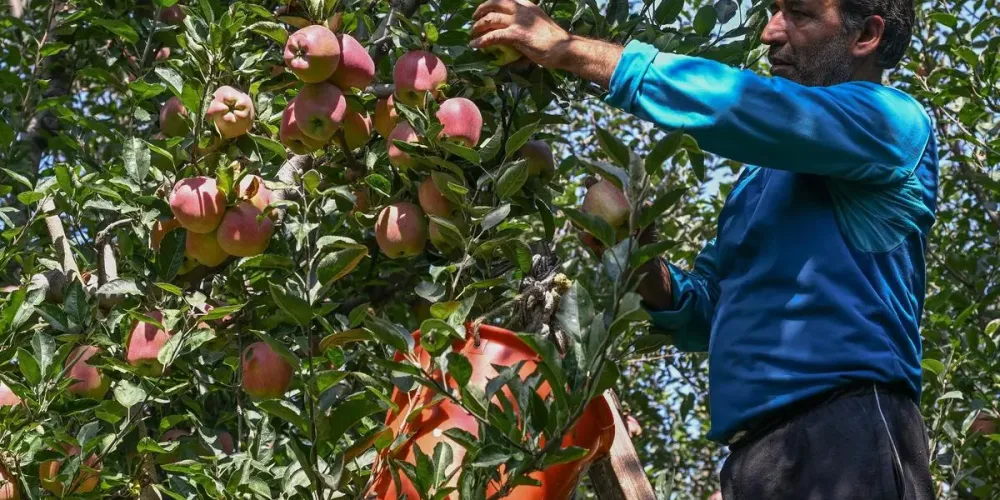
India’s fresh-fruit trade has been hit by the Iran conflict, with apple import flows tightening and domestic prices moving higher. The Hindu BusinessLine reports that consignments dispatched before escalation still reached Indian ports, but new arrivals have largely stopped. That shift quickly reduced market supply and redirected demand toward domestic produce.
Traders cited in the report describe a clear price response. Kullu Delicious has been trading around INR 140–145 per kilogram, while Delicious has been quoted near INR 120–125 per kilogram. For growers in Kashmir Valley, this is a notable improvement after difficult seasons marked by weather disruptions and higher input costs.
India’s exposure to Iranian apple supply is substantial enough for logistics shocks to matter. In recent years, imports from Iran were about 124,000–130,000 metric tonnes annually, worth roughly $60–65 million. Trade data in the story indicate Iran represented around 23% of India’s apple imports in 2024. With that share temporarily constrained, domestic inventory management becomes central to market stability.
Kashmir storage volumes are therefore critical. Industry participants said around 500,000 metric tonnes were placed in controlled-atmosphere facilities in the previous season, with more than half already released. A significant remaining balance is still available; one market estimate in the report puts it at roughly 250,000 tonnes. As prices firm, those stocks are now being shipped more actively to wholesale markets across the country.
Near-term outcomes depend on how quickly external supply routes normalize. Until then, reduced Iranian arrivals are effectively supporting domestic price realization in India’s main producing regions. For local growers and traders, the episode highlights how geopolitical trade disruptions can rapidly reshape horticulture margins even when total national demand remains relatively steady.
Not yet comments. Be the first!
Comments · 0